If you’ve ever driven hours just to find a decent hiking trail or clean river spot back home, Korea feels completely different.
Here, you can hike a mountain in the morning, relax by a river in the afternoon, and finish the day with a professional skin treatment — all without leaving the city.
That’s not a travel trend.
That’s everyday life in Korea — and it’s exactly why more international visitors are starting to plan their trips differently.
Why Korea’s Nature Feels So Accessible
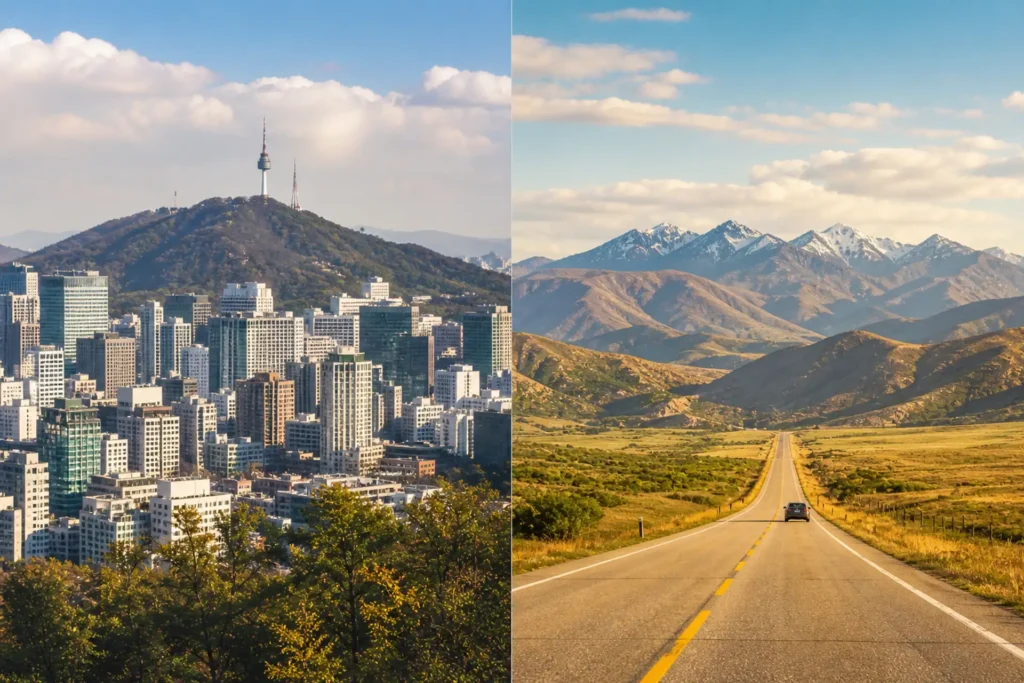
Korea is one of the few places where nature and city life overlap seamlessly.
- Over 60% of the country is mountainous
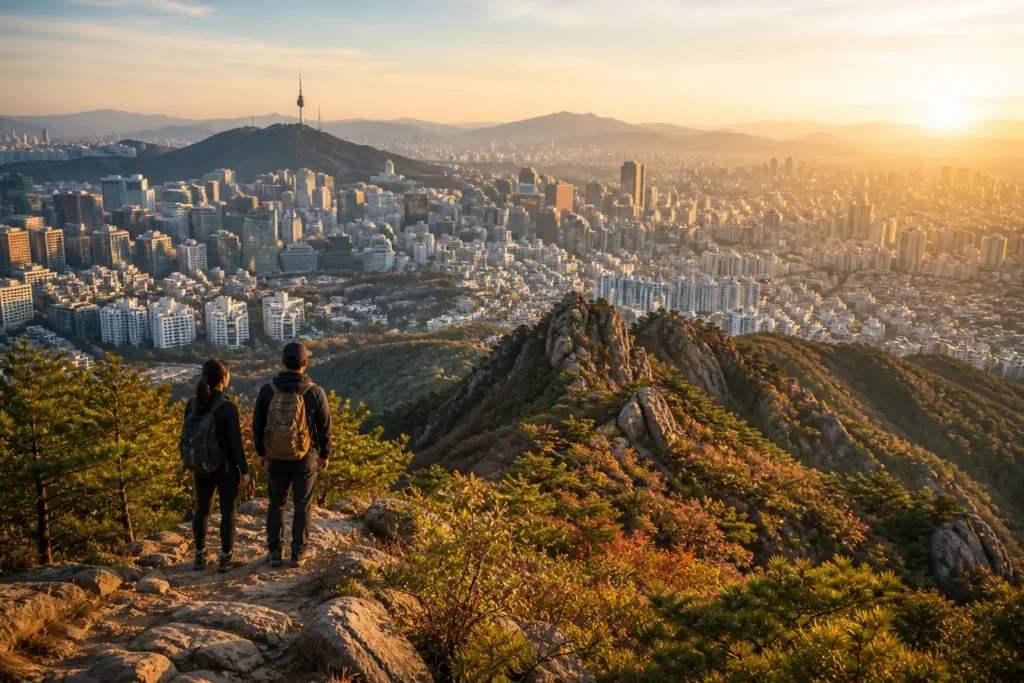
- Seoul is surrounded by national parks
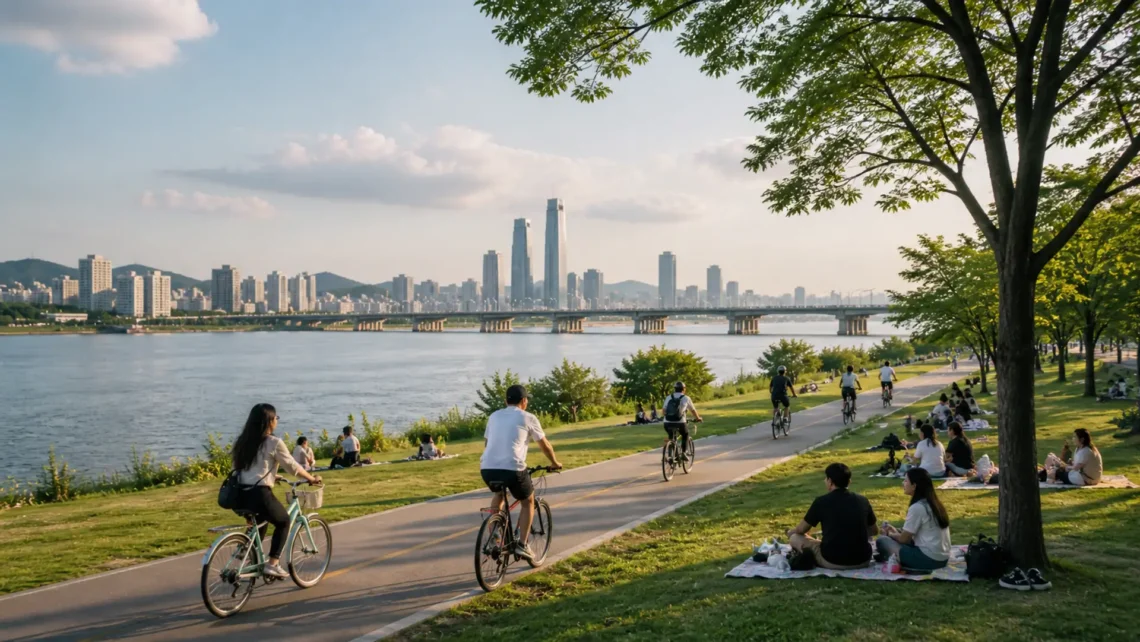
- Rivers and walking paths run directly through urban areas
You’re not “planning a nature trip.”
You’re stepping into it.
On the Ground
In Seoul, places like Bukhansan or the Han River are reachable in under an hour by subway (approx. $1–2 per ride). Trails are clearly marked, safe, and often have rest stops, bathrooms, and even food vendors nearby. After hiking, many locals go straight to a jjimjilbang (Korean spa) or a dermatology clinic — both commonly located within the same district.
What You Can Actually Do (Beyond Sightseeing)
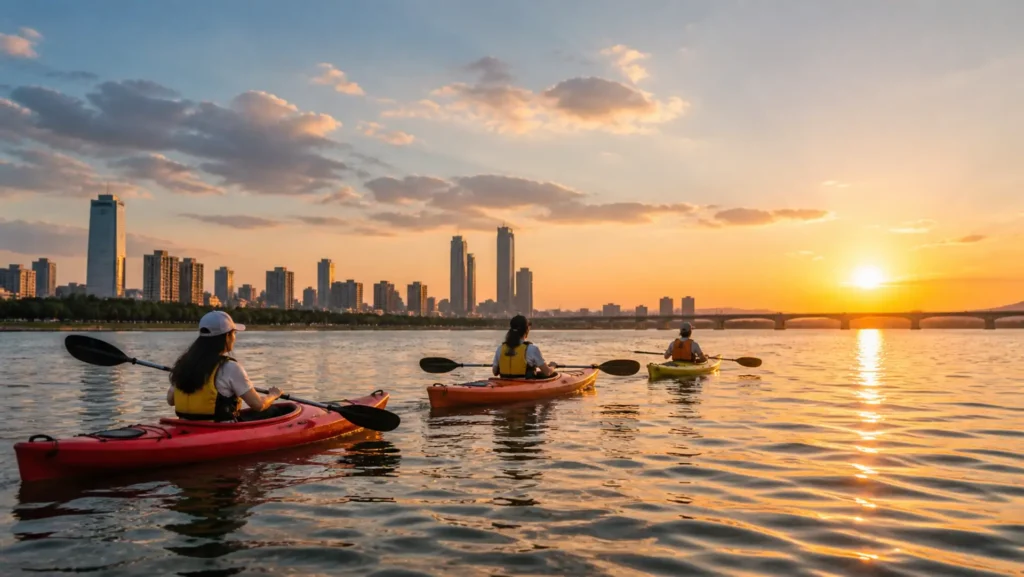
1. Mountain Hiking — Without Leaving the City
- Beginner to advanced trails
- Free entry in most national parks
- High safety and maintenance standards
👉 Compared to back home:
More accessible, less planning, more frequent use
2. River Activities (Han River Lifestyle)
Short answer:
You can enjoy casual, low-cost outdoor activities in the city — without needing a full-day plan.
| Activity | Korea Price (approx.) | Back Home |
|---|---|---|
| Bike rental | $3–6/hour | $10–25/hour |
| Paddleboard/Kayak | $15–30/session | $40–80+ |
| Picnic setup | $10–20 | $30–70+ |
Sources: Korea Tourism Organization (2025), local rental operators Seoul (2025). Prices vary by location and season.
3. Coastal Experiences (East & South Korea)
- Clean beaches (Gangneung, Busan)
- Sunrise + hiking combinations
- Wellness-focused resorts nearby
Korea vs Back Home: The Real Difference
| Experience | Korea | Back Home |
|---|---|---|
| Nature access | 30–60 min | 1–3+ hours |
| Safety | Very high | Varies |
| Infrastructure | Highly developed | Inconsistent |
| Recovery options | Immediate | Limited |
👉 Direct takeaway:
Korea isn’t just easier — it’s integrated.
From Nature to Recovery: What Locals Actually Do
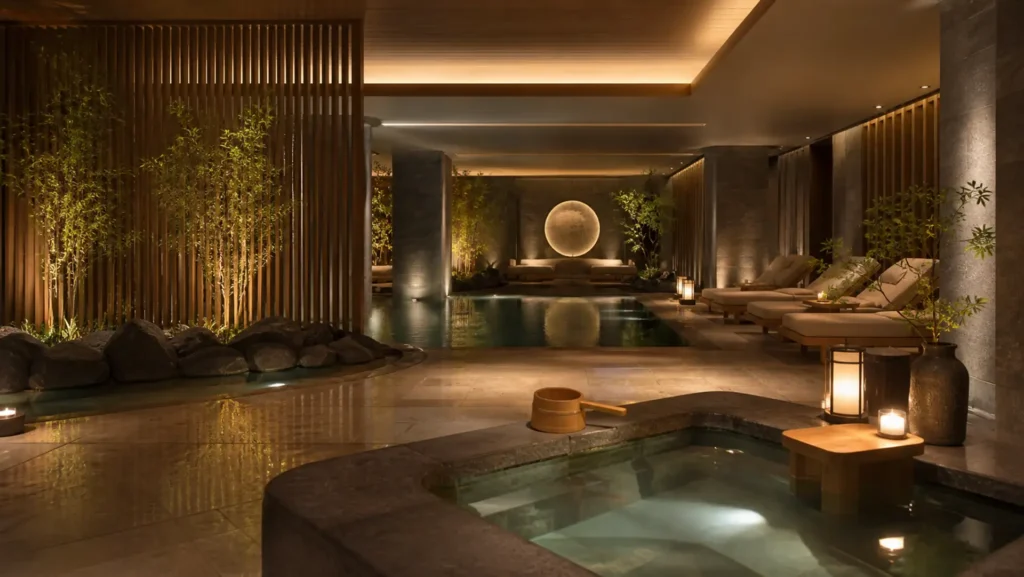
After outdoor activities, locals don’t just go home.
They recover.
Typical flow:
- Hiking or biking
- Sauna / jjimjilbang
- Skin treatment or massage
- Light meal
This isn’t luxury — it’s routine.
Where It Connects to K-Beauty & Medical Care
Many international visitors don’t plan this at first.
But once they experience the system, they add one more step:
👉 Professional skincare or a health checkup
Cost Comparison: Korea vs Back Home
Short answer:
Korea offers significantly lower prices for dermatology and health checkups — often 40–70% lower depending on the clinic tier.
| Service | Korea (mid-tier) | Back Home |
|---|---|---|
| Laser treatment | $80–200 | $300–1,000+ |
| Health checkup | $500–1,800 | $3,000–5,000+ |
| Specialist consult | $30–80 | $150–400+ |
Sources: Medical Korea (2025), HealthCare Bluebook (US, 2025), Seoul clinic pricing (2025). Prices vary by clinic tier.
Why Exchange Rates Matter Right Now
For USD travelers, the KRW exchange rate makes a noticeable difference.
👉 Same experience, lower relative cost
👉 More flexibility to combine travel + wellness
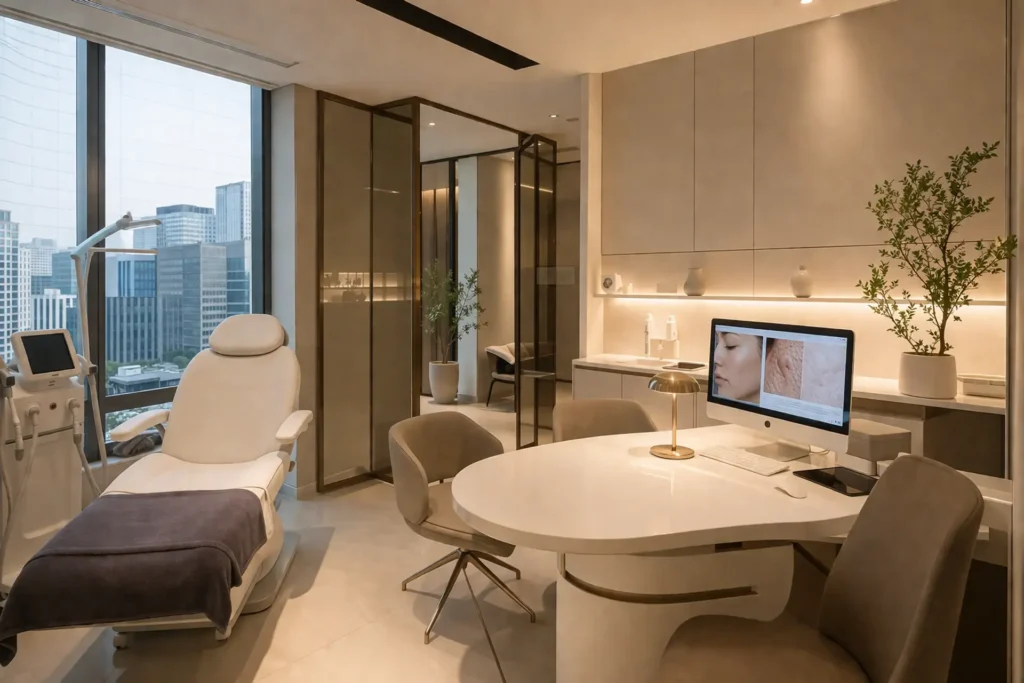
How KRACE Fits Into This
Planning this alone can be frustrating:
- Which clinic is trustworthy?
- Do they speak English?
- How do you book?
KRACE simplifies that.
What you get:
- English-supported clinic matching
- Transparent pricing
- Booking + payment support
- Post-care guidance
If You’re Visiting Korea in 2026
Think differently.
Don’t separate:
- Travel
- Wellness
- Healthcare
In Korea, they work together.

Medical Tourism · Korea
Planning a visit to Korea?
- ✓ Trusted Korean clinics
- ✓ English consultation support
- ✓ Guidance for international patients