

If you’ve ever priced out cosmetic surgery in the U.S. or Canada, you’ve probably felt the sticker shock—especially once facility and anesthesia fees are added. That’s why more North Americans are looking to Korea: modern techniques, highly specialized surgeons, and packages designed for international patients. In fact, Korea welcomed about 1.17 million foreign patients in 2024, showing just how mainstream medical travel has become.

Introduction: Why Korea Is Famous for Plastic Surgery
Korea’s reputation didn’t happen overnight. Seoul—especially areas like Gangnam—became a global hub thanks to a mix of:
High procedure volume (experience compounds)
Fast adoption of new techniques and devices
Aesthetic expertise shaped by K-beauty and precision-focused outcomes
Quick reality check: “Affordable” should never mean “bargain hunting.” Your goal is value + safety + results you’ll still like in 5 years, not a flash discount.
Korea’s medical tourism growth is also measurable. Seoul alone recorded nearly 1 million international medical tourists in 2024, accounting for a large share of foreign patient care in the country.
Why North Americans Choose Korea for Cosmetic Procedures
1) Cost savings (without giving up quality)
Prices vary by clinic, surgeon, and complexity, but many patients see meaningful savings—especially compared with major U.S. cities. A key reason: Korea’s cosmetic market is competitive, and clinics often bundle services for international travelers.
2) Specialized expertise in popular procedures
Certain procedures—like eyelid surgery and rhinoplasty—are extremely common in Korea, which can translate into refined workflows, detailed pre-op planning, and strong post-op routines.
3) International-patient infrastructure is built in
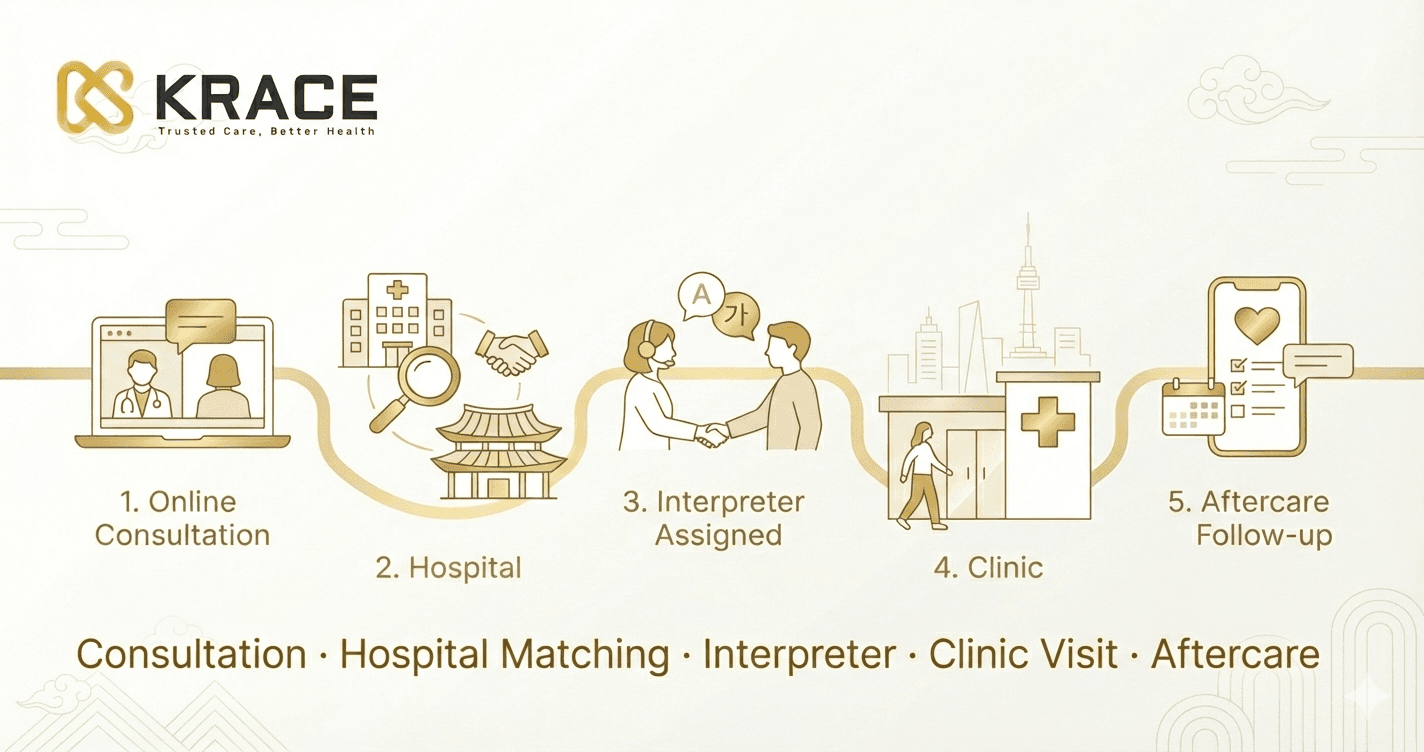
Many hospitals and clinics work with coordinators who help with:
English support and translation
Appointment scheduling
Post-op checkups and documentation
A trust signal to look for is KAHF, a Korean government-backed accreditation program focused on service quality and patient safety for institutions treating foreign patients.
Popular and Affordable Procedures in Korea
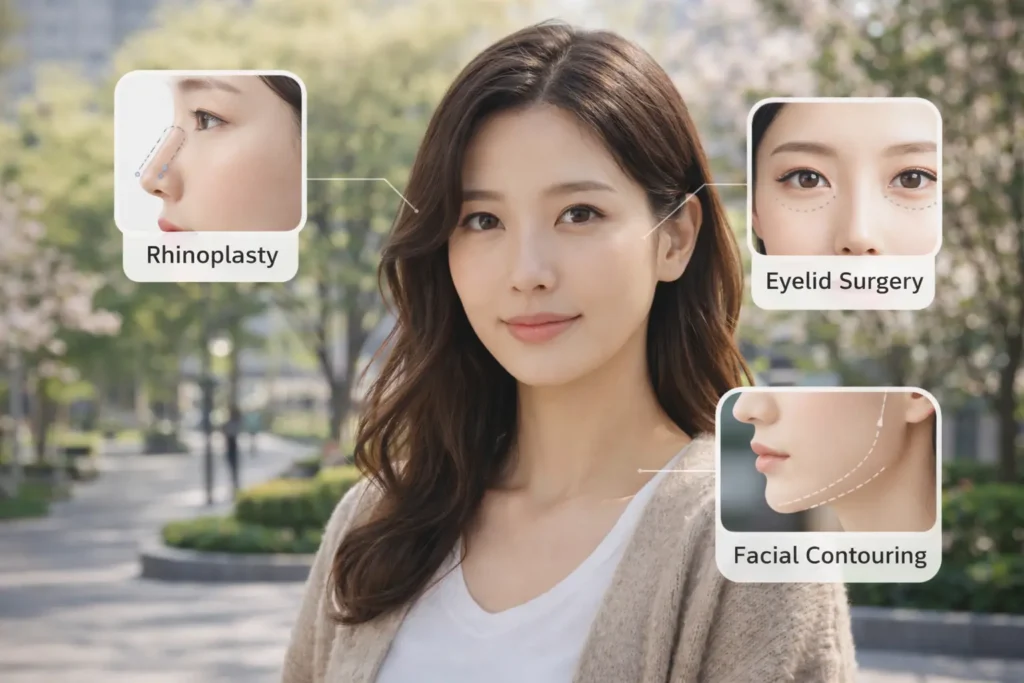
Below are common procedures many international patients explore. This isn’t a recommendation—just a map of what’s popular and why people travel for it.
Rhinoplasty (nose reshaping)
Often chosen for profile refinement, tip definition, or functional/aesthetic balancing. Complexity matters a lot (cartilage grafts, revision cases, etc.), so quotes can vary widely.
Eyelid surgery (blepharoplasty / double eyelid)
Common goals include a refreshed look, crease formation, or improving symmetry. Always ask what’s included in follow-up care (stitches, swelling management, checkups).
Facial contouring (V-line / jaw / chin work)
This is typically more involved than soft-tissue procedures, with longer recovery and higher need for careful screening. If you’re considering this category, be extra strict about surgeon specialization and hospital-level safety protocols.
Non-surgical options (often paired with travel)
Many travelers combine surgery with lighter treatments like dermatology or skincare programs (timing matters—some treatments should not be done immediately before/after surgery).
Tip: If you’re traveling, prioritize procedures with recovery timelines that realistically fit your trip length. Rushing home too soon can turn “savings” into stress.
Finding the Right Korean Surgeon

This is the section that protects you.
Step 1: Verify credentials (don’t skip)
A practical verification approach:
Look for surgeons listed with the Korean Society of Plastic and Reconstructive Surgeons (KSPRS) member search.
Ask directly if your operating surgeon is the one consulting you (some clinics separate consult vs surgery—clarify this).
Step 2: Look for international-patient safety signals
KAHF accreditation (designed specifically for foreign-patient service quality and safety systems)
If relevant for a hospital setting, consider international frameworks like JCI accreditation (not required, but a recognizable quality program).
Step 3: Ask consultation questions that reveal quality
Bring a short list and take notes:
Who exactly performs the surgery? (Name + role)
What anesthesia is used, and who monitors it?
What are the realistic outcomes for my face/body type?
What does aftercare include (days, visits, meds, swelling care)?
What happens if I need a revision or extra follow-up after I return home?
Green flag: A surgeon who sets boundaries and explains tradeoffs clearly.
Red flag: Pressure tactics, “today-only pricing,” or vague answers about who’s in the OR.
Frequently Asked Questions
Considering affordable Korean plastic surgery? These FAQs cover costs, safety checks, surgeon verification, common procedures, and what North American patients should know before booking.