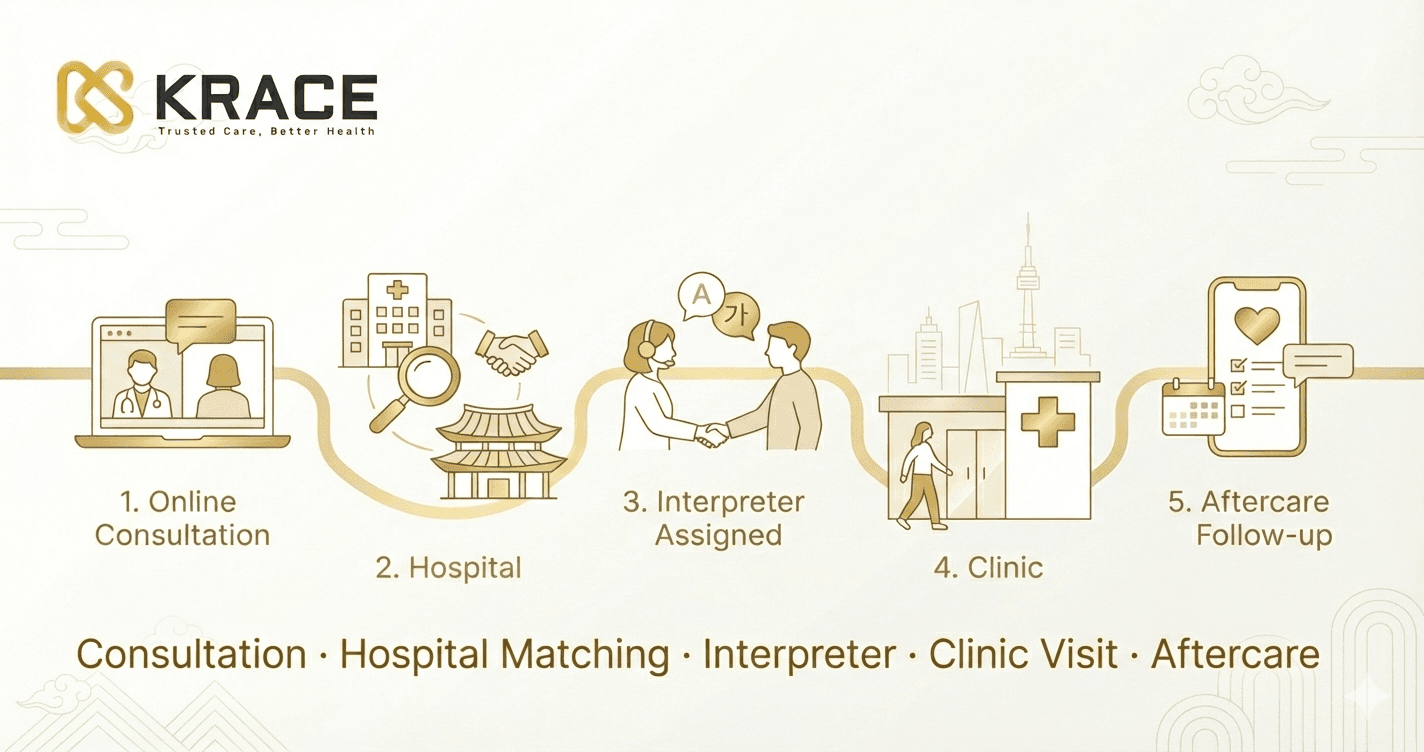


Choosing primary care abroad sounds simple until you start comparing clinics, languages, prices, travel dates, and follow-up options at the same time. Korea can be a practical choice for international visitors who want preventive care, health checkups, dermatology visits, dental consultations, or non-urgent specialist appointments while already planning a trip. The key is not finding “the best clinic” in general. It is finding the right clinic for your medical question, timeline, budget, and comfort level.
Why Korea Is on the Radar for Primary Care Abroad
Korea’s medical travel market has grown quickly. In 2025, Korea received about 2.01 million foreign patients, the first time the number exceeded 2 million since the country began formally tracking this market in 2009.
That growth does not mean every clinic is right for every visitor. It means there is now a bigger ecosystem: registered hospitals and clinics, international patient desks, English-speaking coordinators, health screening centers, dermatology clinics, and medical travel facilitators.
Medical Korea’s registered hospital database lists thousands of registered medical institutions for international patients, across hospital types such as tertiary hospitals, general hospitals, clinics, dental clinics, and Korean medicine hospitals.
On the Ground: What Visitors Usually Underestimate
Most international visitors do not struggle with the appointment itself. They struggle with the steps around it: comparing clinic types, confirming what is included, understanding preparation rules, getting to the right branch, asking follow-up questions, and keeping records organized after they fly home.
A clinic may be clinically strong but not easy for a short-stay visitor. For primary care abroad, logistics matter almost as much as reputation.
What “Primary Care Abroad” Usually Means in Korea
In Korea, primary care abroad may include a few different visit types.
For some travelers, it means a basic internal medicine consultation for a non-urgent issue. For others, it means a preventive health checkup, women’s health screening, dermatology consultation, dental exam, or referral-style appointment before deciding whether to seek more specialized care.
The safest way to think about it is this: primary care abroad should be planned, non-emergency, and documentation-driven. Urgent symptoms, chest pain, severe infection, stroke-like symptoms, uncontrolled bleeding, or sudden neurological symptoms should be handled locally or through emergency care, not scheduled as travel medicine.
CDC’s South Korea traveler page currently lists South Korea under “Level 1: Practice Usual Precautions” and recommends travelers review health preparation guidance before departure.

Cost Planning: What Can You Verify Before Booking?
Direct answer: Primary care and checkup prices in Korea vary by clinic, package, tests, language support, and follow-up options. Instead of relying on one advertised price, use broad planning ranges and request a direct quote from the clinic before booking.
Care type | What may be included | Planning range, USD | Confidence |
|---|---|---|---|
Basic clinic consultation | Doctor visit, basic discussion, simple guidance | $30–$100 | Medium |
Basic health screening | Blood work, urine test, basic measurements, doctor review | $100–$400 | Medium |
Standard health checkup package | Lab tests, imaging, ultrasound or selected screenings depending on package | $300–$800 | Medium |
Comprehensive checkup package | Broader lab panels, imaging, endoscopy or specialist review depending on clinic | $800–$1,800+ | Medium |
Add-on support services | English interpretation, report translation, coordination, follow-up support | Varies | Low |
These ranges are for planning only. Final pricing depends on the clinic, the exact tests included, whether sedation or imaging is added, whether reports are translated, and whether follow-up support is included.
For regular primary care consultations, pricing is harder to standardize because clinic policies differ. A simple consult, lab work, imaging, medication, interpretation, report translation, and follow-up may all be billed separately.
Before you compare clinics, ask for a quote that separates consultation, tests, imaging, procedure, medication, interpretation, report translation, and cancellation terms.
Step 1: Start 60–90 Days Before Your Trip
A 90-day timeline gives you enough room to compare options without rushing.
At 90 days, decide what you actually need. Do you want a preventive checkup, a second opinion, a dermatology consultation, a dental exam, or help finding a family-medicine-style clinic?
At 60 days, shortlist clinics and request availability. At 30 days, confirm documents, fasting rules, medication restrictions, appointment time, address, and payment method.
If your trip is already booked, you can still plan faster. Just avoid stacking important appointments too close to arrival day, especially if fasting, sedation, jet lag, or follow-up tests may be involved.
Step 2: Choose the Right Clinic Type
Not every medical need requires a large hospital.
A tertiary hospital may be better for complex medical history, multiple specialists, or advanced imaging. A specialty clinic may be better for dermatology, dental care, eye care, women’s health, or a focused consultation. A health screening center may be better for preventive checkups in one coordinated visit.
Korea also has formal systems related to healthcare quality and international patient registration. KOIHA, the Korea Institute for Healthcare Accreditation, evaluates healthcare institutions on patient safety and service quality, while separate government registration applies to institutions that serve international patients.
That said, accreditation is only one trust signal. You should also check whether the clinic is registered for international patients, has relevant specialty experience, explains pricing clearly, and offers language support for your visit type.
Step 3: Prepare Documents Before You Ask for Quotes
Good clinic matching starts with clean information.
Prepare your passport name, travel dates, preferred district, symptoms or goals, current medications, allergies, relevant diagnoses, past surgeries, recent test results, imaging reports, and insurance information if you want to check reimbursement later.
Do not send unnecessary sensitive information to every clinic. Share enough to request the right appointment, then provide deeper medical records only when the clinic confirms relevance and secure handling.
For health checkups, ask whether you need to fast, stop supplements, avoid alcohol, pause certain medications, bring prior colonoscopy records, or schedule around your menstrual cycle.
Step 4: Ask Better Questions
Here is a practical question list you can copy.
Ask what type of doctor you will see, whether the appointment includes English support, what is included in the quoted price, whether test results are available in English, how long results take, what happens if something abnormal appears, and whether follow-up can be done after you return home.
Also ask what is not included. This is where visitors often get surprised.
A low advertised price may exclude sedation, pathology, ultrasound, medication, report translation, imaging copies, or follow-up consultation. A higher quote may include coordinator support and result explanation.
For KRACE-style clinic matching, the right question is not “Which clinic is cheapest?” It is “Which clinic gives me the clearest plan for my goal?”
Step 5: Plan the Seoul Logistics
Seoul is convenient, but clinic logistics still need planning.
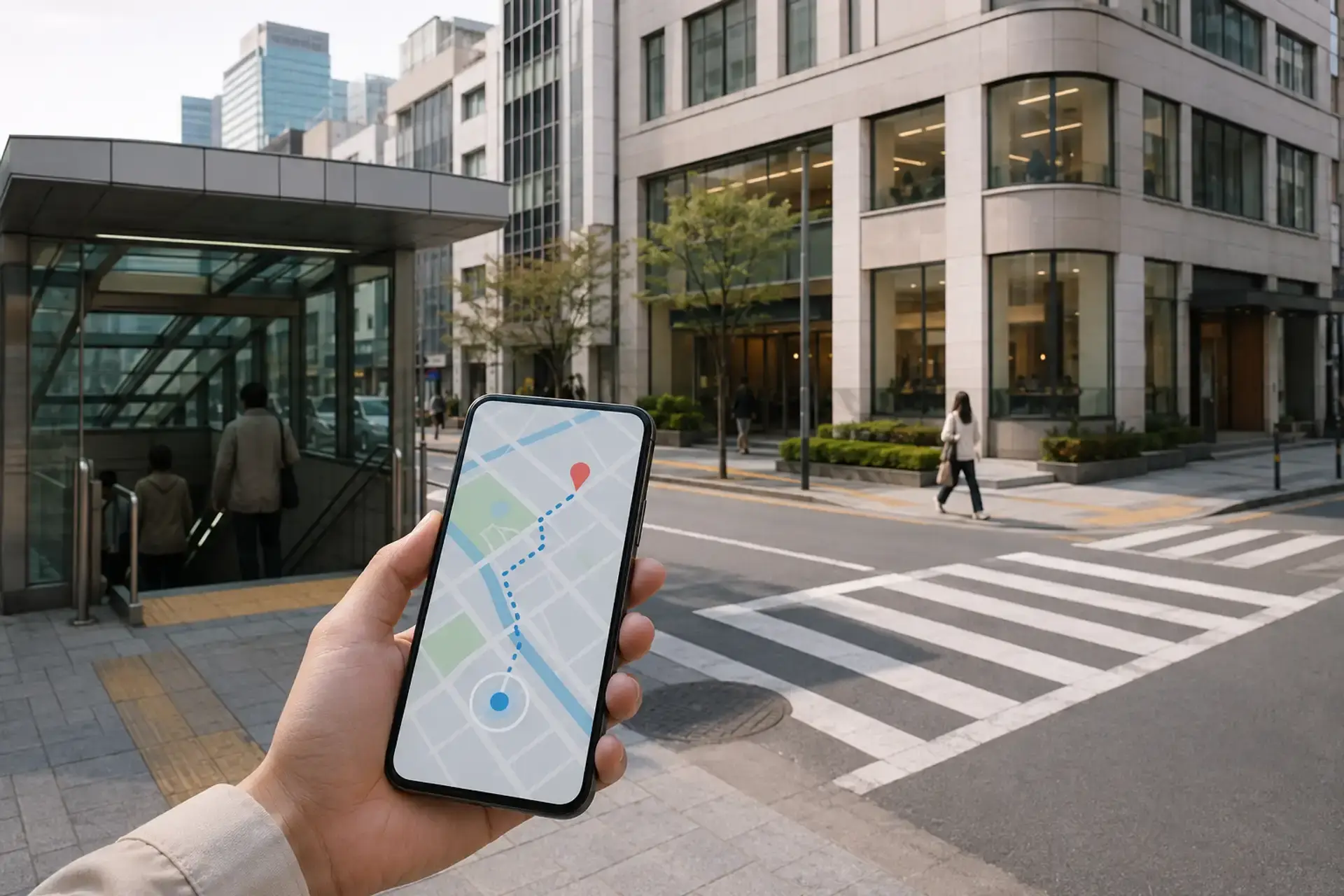
Many clinics and screening centers are located in Gangnam, Seocho, central Seoul, and hospital-heavy districts. Subway access is usually practical, but your exact route matters if you are fasting, recovering from sedation, or carrying medical documents.
Naver Map is often more useful in Korea than Google Maps for local navigation. The official Naver Map app supports Korean, English, Japanese, and Chinese maps and navigation.
Save the clinic name in Korean, the branch name, building floor, phone number, appointment time, and nearby subway exit. If you are using a taxi, show the Korean address rather than relying only on the English name.
Step 6: Understand Safety and Legitimacy
For international visitors, trust should be built through verification, not advertising language.
Check whether the institution is registered to attract international patients. Confirm the doctor’s specialty. Ask whether the clinic has experience with international visitors. Look for transparent consent forms, clear pricing, and a realistic explanation of risks and limits.
Avoid any provider that guarantees outcomes, pressures you to decide immediately, refuses to explain what is included, or discourages you from asking questions.
Medical travel is not a replacement for health insurance back home. It can be useful for planned non-emergency care, preventive screening, or selected consultations, but emergency and ongoing chronic care should be coordinated carefully.
Step 7: Build a Follow-Up Plan Before You Fly Home
A primary care visit abroad should not end at checkout.
Before you leave Korea, ask how you will receive reports, whether results are translated, who explains abnormal findings, how prescriptions are documented, and what information your doctor back home may need.
For checkups, ask for digital copies of lab results, imaging summaries, endoscopy reports, pathology results if applicable, and doctor notes. For dermatology, dental, or specialist consultations, ask what symptoms would require urgent follow-up.
A simple 30/60/90-day plan works well. At 30 days, confirm results and next steps. At 60 days, check whether symptoms changed or a repeat test is needed. At 90 days, decide whether local follow-up is enough or whether another Korea visit makes sense.
How KRACE Helps
KRACE does not diagnose, treat, or provide medical care. Medical services are provided by independent licensed clinics and hospitals.
KRACE helps international visitors compare options, prepare questions, request appointments, coordinate communication, understand logistics, and organize post-visit support. For visitors who are already planning Korea travel, this can reduce confusion and make the process more manageable.
Quick Checklist Before Booking
Use this checklist before you confirm a clinic.
You should know your care goal, appointment type, doctor specialty, included services, estimated price, payment method, cancellation policy, location, language support, report timeline, and follow-up process.
You should also have your passport, travel dates, medication list, allergies, relevant records, emergency contact, and local accommodation ready.
The best clinic choice is not always the most famous one. It is the one that fits your medical need, trip schedule, communication comfort, and follow-up expectations.
Ready to Compare Clinics in Korea?
If you are planning non-urgent care, a health checkup, dermatology visit, dental consultation, or primary-care-style appointment in Korea, start with a clear intake and quote request.
You Might Also Like

Why More Travelers Are Choosing Korea for Primary Care
Imagine needing a health checkup but facing a three-month wait back home. Now picture landing in Seoul, booking a clinic visit within days, completing lab tests the same morning, and getting results before the week ends. For many international visitors, that’s not hypothetical — it’s exactly how healthcare works in Korea, especially for those seeking primary care Korea. Across North America, Europe, and Australia, rising costs and long wait times are pushing travelers to look abroad for care. Ko
blog.kracecare.com

How to Book a Clinic in Korea as a Foreigner
Imagine this: back home, you wait two to six weeks just to see a doctor—longer for anything specialized. Now picture landing in Seoul and getting a consultation, diagnosis, and treatment plan within a single day. That’s not a travel hack. It’s how the Korean medical system works. But here’s the catch: while care is fast and accessible, figuring out how to actually book a clinic in Korea as a foreigner isn’t always straightforward. Different systems, language gaps, and unclear pricing can make it
blog.kracecare.com

Korean Health Checkups: Why Travelers Are Booking Screenings in Seoul
Imagine booking a full medical checkup and getting the results the same day—not after weeks of waiting. For many travelers visiting Korea, that’s exactly what happens. Health screenings in Seoul combine fast diagnostics, transparent pricing, and English-friendly clinics. Compared with long wait times and high costs in many countries, a Korean health checkup often feels less like a medical ordeal and more like a well-organized part of your trip. Why More Travelers Are Choosing Korea for Preventiv
blog.kracecare.com
Frequently Asked Questions
These answers explain common questions about choosing primary care abroad in Korea, including clinic comparison, documents, safety, and follow-up.