

Imagine booking a full medical checkup and getting the results the same day—not after weeks of waiting. For many travelers visiting Korea, that’s exactly what happens. Health screenings in Seoul combine fast diagnostics, transparent pricing, and English-friendly clinics. Compared with long wait times and high costs in many countries, a Korean health checkup often feels less like a medical ordeal and more like a well-organized part of your trip.
Why More Travelers Are Choosing Korea for Preventive Health
Medical travel used to mean flying abroad for surgery. Today, many visitors come for preventive screenings instead.
Korea has developed one of the most comprehensive preventive health systems in the world. Clinics bundle imaging, blood work, and specialist consultations into streamlined packages that typically take half a day to complete.
For travelers used to fragmented care back home—multiple appointments across several weeks—the difference is striking.
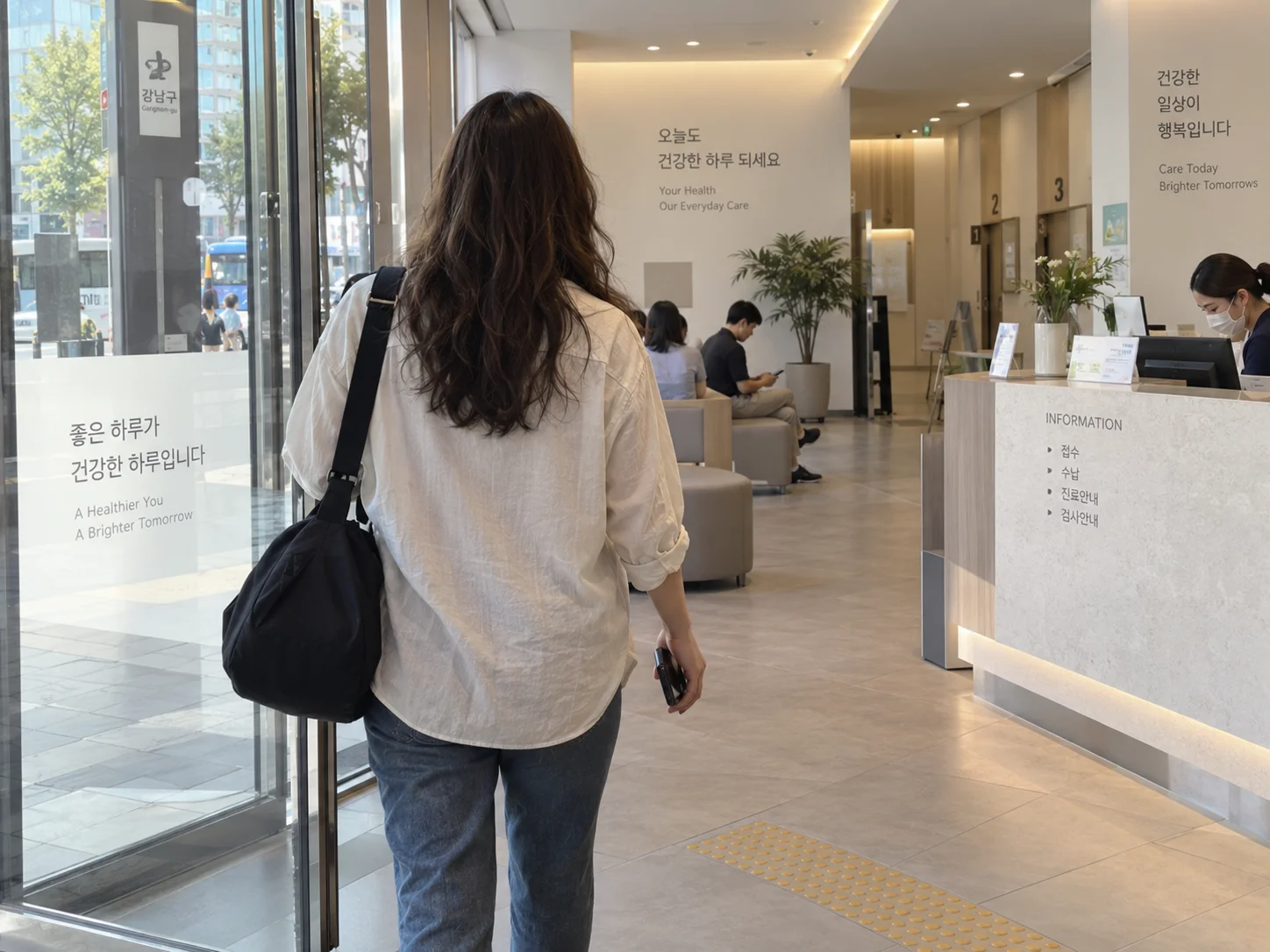
Many hospitals in Seoul’s Gangnam and Jongno medical districts run dedicated international patient centers, offering multilingual coordinators and fast scheduling. According to the Korean Ministry of Health and Welfare, over 600,000 international patients visited Korea for medical care annually before the pandemic, with preventive screenings among the most common services.
The appeal is simple:
Faster diagnosis
Transparent pricing
Advanced diagnostic equipment
English-supported care
And if you're already visiting Korea for travel or business, adding a health checkup can be surprisingly convenient.
How Much Do Korean Health Checkups Cost?
The biggest surprise for many visitors is the price.
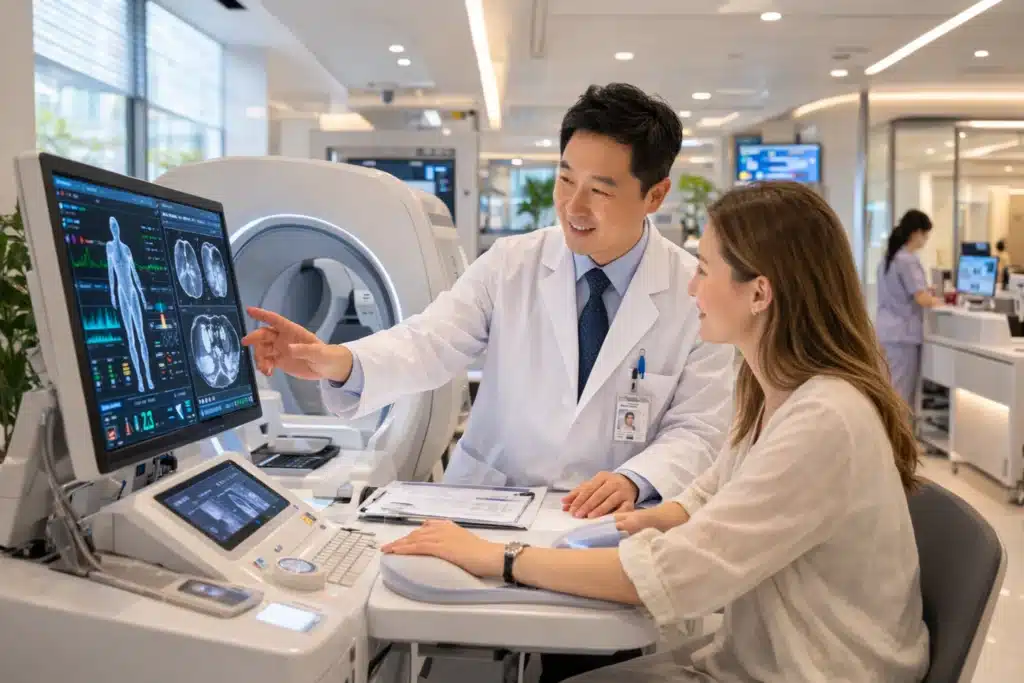
A comprehensive health screening in Korea usually costs $800–$1,200 USD, depending on the tests included. That often covers:
Blood tests
Ultrasound imaging
Chest X-ray
ECG
Body composition analysis
Doctor consultation
In comparison, a similar preventive screening package in the United States can easily exceed $3,000–$5,000, especially if imaging tests are billed separately.
Even travelers from countries with public healthcare sometimes choose Korea because of speed and convenience. Waiting months for imaging appointments at home can be frustrating when a full screening in Seoul can be completed in one morning.
Example comparison
United States: Executive health screening $3,000–$5,000
Korea: Comprehensive screening $800–$1,200
Typical turnaround time: Same-day results in many Korean centers
That price difference often covers a good portion of the flight.
What Actually Happens During a Korean Health Checkup?
One reason travelers love Korean screenings is how organized the process feels.
Most centers run like an efficient health circuit: you move through a sequence of diagnostic stations with almost no waiting.
Step 1: Pre-visit questionnaire
Before your visit, you complete a short health questionnaire about medical history, medications, and lifestyle habits.
Step 2: The screening circuit
On the day of your appointment, staff guide you through multiple tests such as:
Blood and urine analysis
Vision and hearing tests
Ultrasound scans
CT or MRI imaging (optional packages)
Many centers complete 10–15 tests within 2–3 hours.
Step 3: Doctor consultation
After the tests, a physician reviews your results and discusses any findings.
Some clinics deliver full reports the same day, while others email a detailed report within a few days.
Step 4: Follow-up planning
If anything requires attention, clinics often recommend follow-up care or specialist visits.
Many international patients arrange remote consultations once they return home.
On the Ground: What Surprises First-Time Visitors
Most health screening centers in Seoul provide hospital pajamas and lockers, so you’ll change clothes several times as you move between tests.
Also, breakfast usually comes after the screening because you’ll be asked to fast beforehand. Fortunately, many clinics are surrounded by excellent cafés—perfect for that post-checkup meal.
Is It Safe to Get a Medical Checkup in Korea?
[IMAGE 4: Hospital Accreditation]
Safety is usually the biggest question travelers ask.
Korea’s healthcare system ranks among the most technologically advanced globally, with strong regulatory oversight.
Other trust signals include:
Dedicated international patient departments
English-speaking coordinators
Transparent test packages
Digital medical reports
Major screening centers in Seoul also perform hundreds of checkups per day, giving them extensive operational experience.
Navigating Seoul for Your Appointment
One practical advantage of visiting Seoul for healthcare is how easy the city is to navigate.
Medical districts are located close to major subway lines, and public transportation is inexpensive and reliable.
Typical travel logistics look like this:
Airport to Gangnam: ~60 minutes
Subway fare: ~$1–2 per ride
Taxi within central Seoul: ~$8–15
Many clinics also help arrange:
Hotel recommendations nearby
Airport transportation
Interpreter services if needed
Korea’s overall safety also makes solo travel comfortable. The country consistently ranks among the lowest violent-crime nations in the OECD, which is reassuring for visitors navigating medical appointments abroad.
How Preventive Care Fits Into Your Long-Term Health Strategy
[IMAGE 6: Doctor Consultation]
Preventive health screenings are becoming more important globally as chronic diseases rise.
Instead of waiting for symptoms, many travelers use Korean screenings to establish a baseline health profile.
That information can help guide future care in your home country. For example:
Monitoring cholesterol levels
Detecting early thyroid issues
Tracking metabolic health
Identifying early cancer markers
Some visitors repeat Korean screenings every 1–2 years, combining them with travel or business trips to Asia.
The result is proactive health monitoring without the usual administrative friction.
Planning Your Korean Health Checkup
If you're considering a health screening in Korea, a little preparation goes a long way.
Start by comparing several clinics and asking about:
Screening packages and pricing
English support availability
Result turnaround times
Follow-up consultation options
Travelers typically book appointments 2–3 weeks in advance, especially during peak tourism seasons.
Ready to Plan Your Health Checkup?
If you’re curious about getting a health screening in Korea, the first step is simple: compare clinics and understand your options.
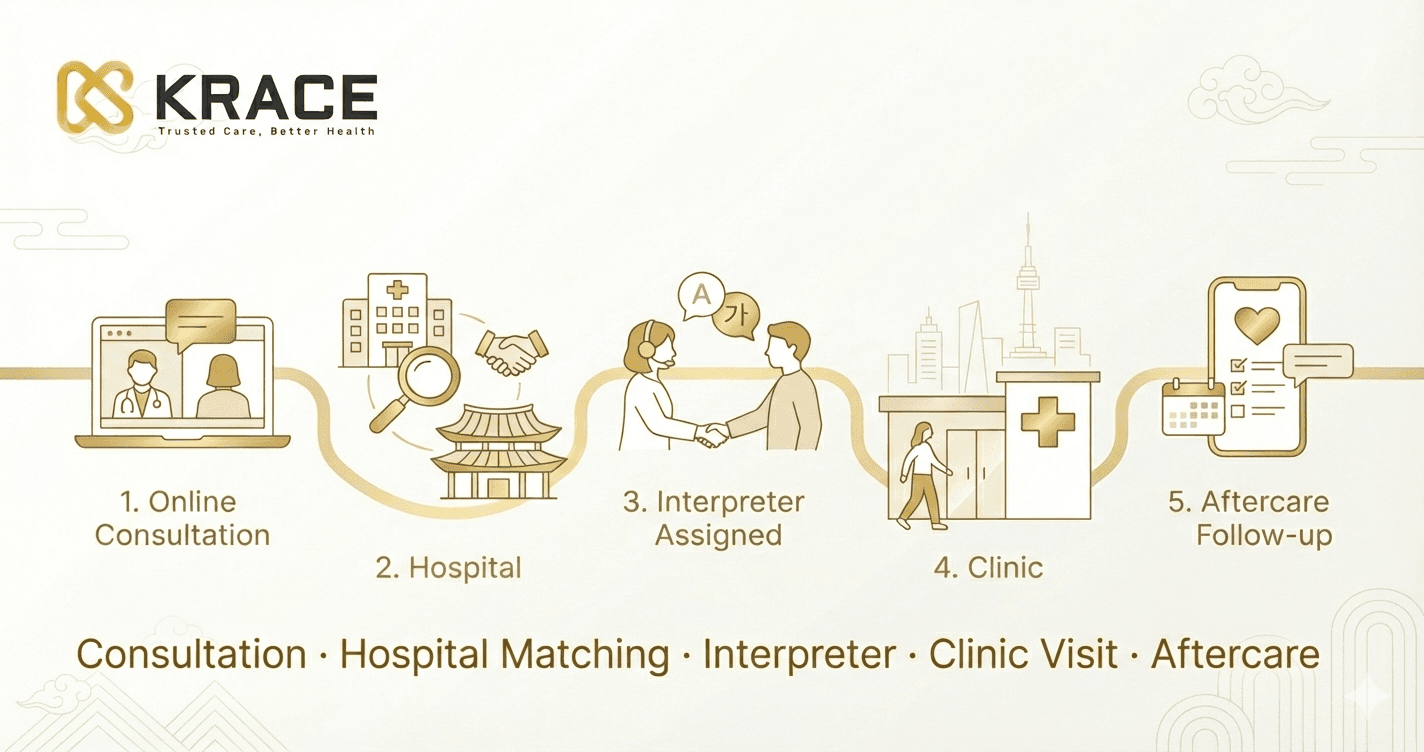
KRACE helps international visitors find trusted Korean clinics, arrange appointments, and navigate the process from booking to follow-up care.
Explore your options and start planning your screening today.
Frequently Asked Questions
Here are common questions travelers ask before booking a Korean health checkup in Seoul.