
You’ve probably seen the highlights of Seoul on Instagram: palaces, neon shopping streets, and K-drama cafés. But here’s what most travel videos don’t mention — many international visitors end up discovering Seoul’s most interesting places between doctor’s appointments or health checkups.
It turns out that combining a medical visit with a few days of exploring the city isn’t just convenient — it often becomes the most memorable part of the trip.
Why Seoul Feels Different From Other Global Cities
Seoul has a rare mix: centuries-old temples, futuristic architecture, and everyday neighborhoods that feel surprisingly welcoming to visitors.
Unlike cities where sightseeing requires long distances and expensive transport, many of Seoul’s most interesting places sit within a few subway stops of major medical districts like Gangnam, Apgujeong, and Jongno.
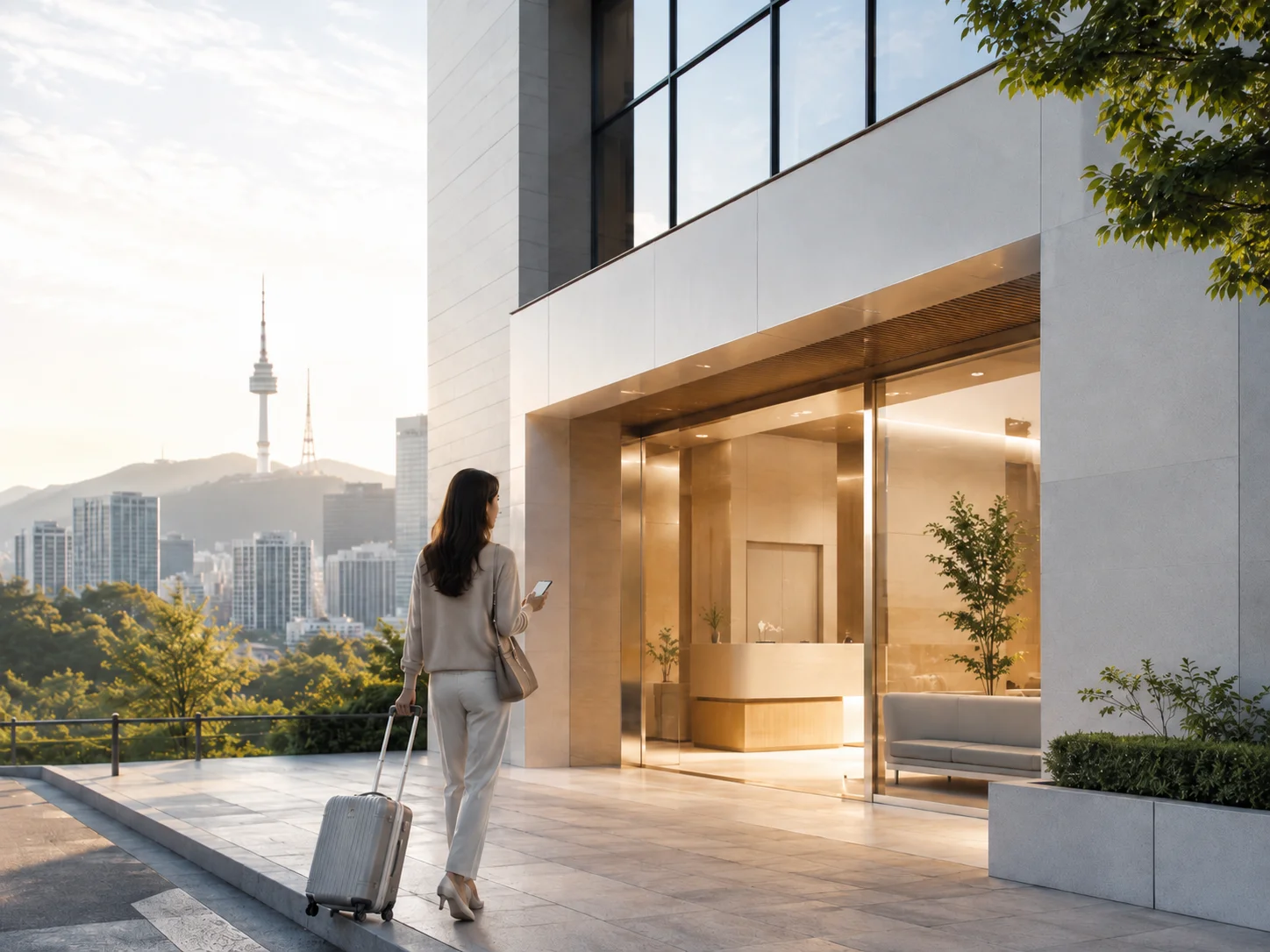
You might start the morning at a clinic, then spend the afternoon exploring a traditional alleyway or food market — all without needing a car.
On the Ground:
One surprise many visitors mention: how easy it is to navigate the city. Seoul’s subway system is clean, inexpensive, and labeled in English. A typical subway ride costs about $2–$3 — far less than transit in most major Western cities.
The Real Cost Difference: Seoul vs. North America
For many travelers, the trip starts with a simple realization: healthcare and wellness services can be dramatically more affordable in Korea.
Here’s a typical comparison travelers notice:
Service | United States | Korea (Seoul) |
|---|---|---|
Comprehensive health checkup | $1,500–$3,000+ | $300–$800 |
Dermatology consultation | $150–$300 | $40–$80 |
Skin laser treatment | $500–$1,500 | $100–$400 |
Prices vary depending on clinic and services, but the pattern is consistent: many treatments cost 40–70% less than in the U.S. or Canada.
That’s why it’s increasingly common for travelers to turn a health visit into a short Seoul trip.
Travelers from the UK, Australia, and Canada report similar savings, especially for dermatology, dental care, and preventative checkups.
Hidden Places Travelers Love Near Seoul’s Medical Districts
Many visitors assume they’ll spend their whole trip inside hospitals or clinics. In reality, Seoul’s layout makes it easy to explore between appointments.
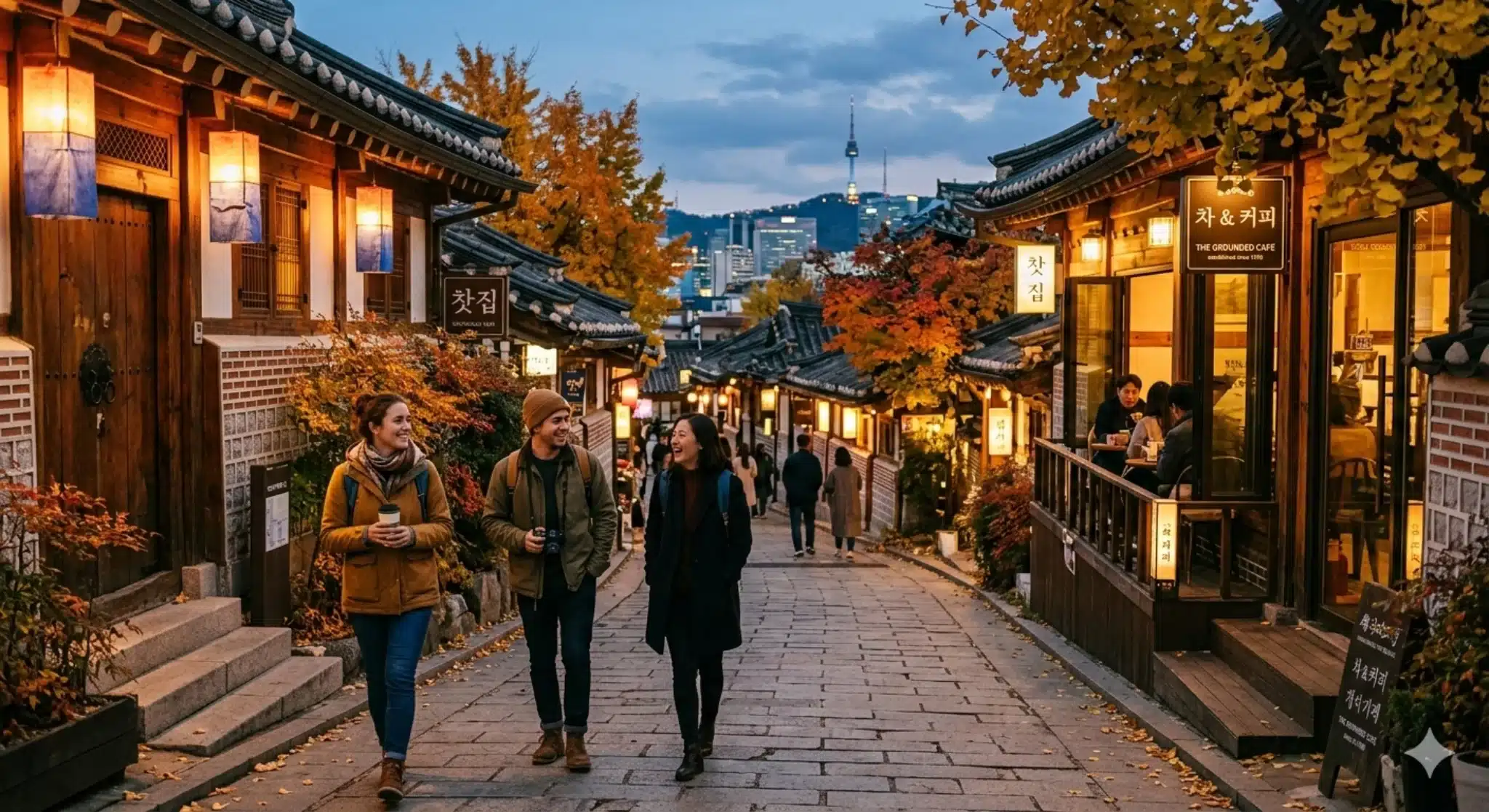
Bukchon Hanok Village — A Walk Through History
Just minutes from downtown medical centers, Bukchon Hanok Village feels like stepping back hundreds of years. Traditional wooden houses line narrow alleys overlooking modern Seoul.

Early mornings are the best time to visit, when the streets are quiet and the city slowly wakes up.
Gwangjang Market — Where Seoul’s Food Culture Comes Alive
If you want to understand Korean food culture in one place, Gwangjang Market is hard to beat.

Locals and visitors sit side-by-side at small counters eating dishes like:
Bindaetteok (mung bean pancakes)
Mayak kimbap (bite-size seaweed rice rolls)
Fresh noodles and dumplings
Meals often cost $5–$10, making it an easy stop after a clinic visit.
Dongdaemun Design Plaza — Seoul’s Modern Side
For something completely different, head to Dongdaemun Design Plaza (DDP).

Designed by architect Zaha Hadid, the building’s curved metallic structure feels almost futuristic.
The surrounding area is also one of Seoul’s biggest fashion and shopping districts — a convenient stop if you're staying near Gangnam or central Seoul.
Why Many Travelers Feel Comfortable Visiting Seoul
For first-time visitors, safety and logistics often matter as much as cost.
Several factors help Seoul stand out:
High safety levels
South Korea consistently ranks among the safer OECD countries with low violent crime rates.
Modern hospitals and accreditation
Many major Korean hospitals and specialty clinics hold JCI (Joint Commission International) accreditation, a global standard for healthcare quality.
English-language support
International patient departments and translation services are common in major clinics and hospitals.
Together, these factors make it easier for travelers to focus on recovery, wellness, and enjoying the city.
Practical Logistics: What Visitors Should Know
Planning a visit to Seoul is usually simpler than people expect.
Visa rules
Citizens from many countries — including the U.S., Canada, UK, and Australia — can stay up to 90 days visa-free for tourism.
Transportation
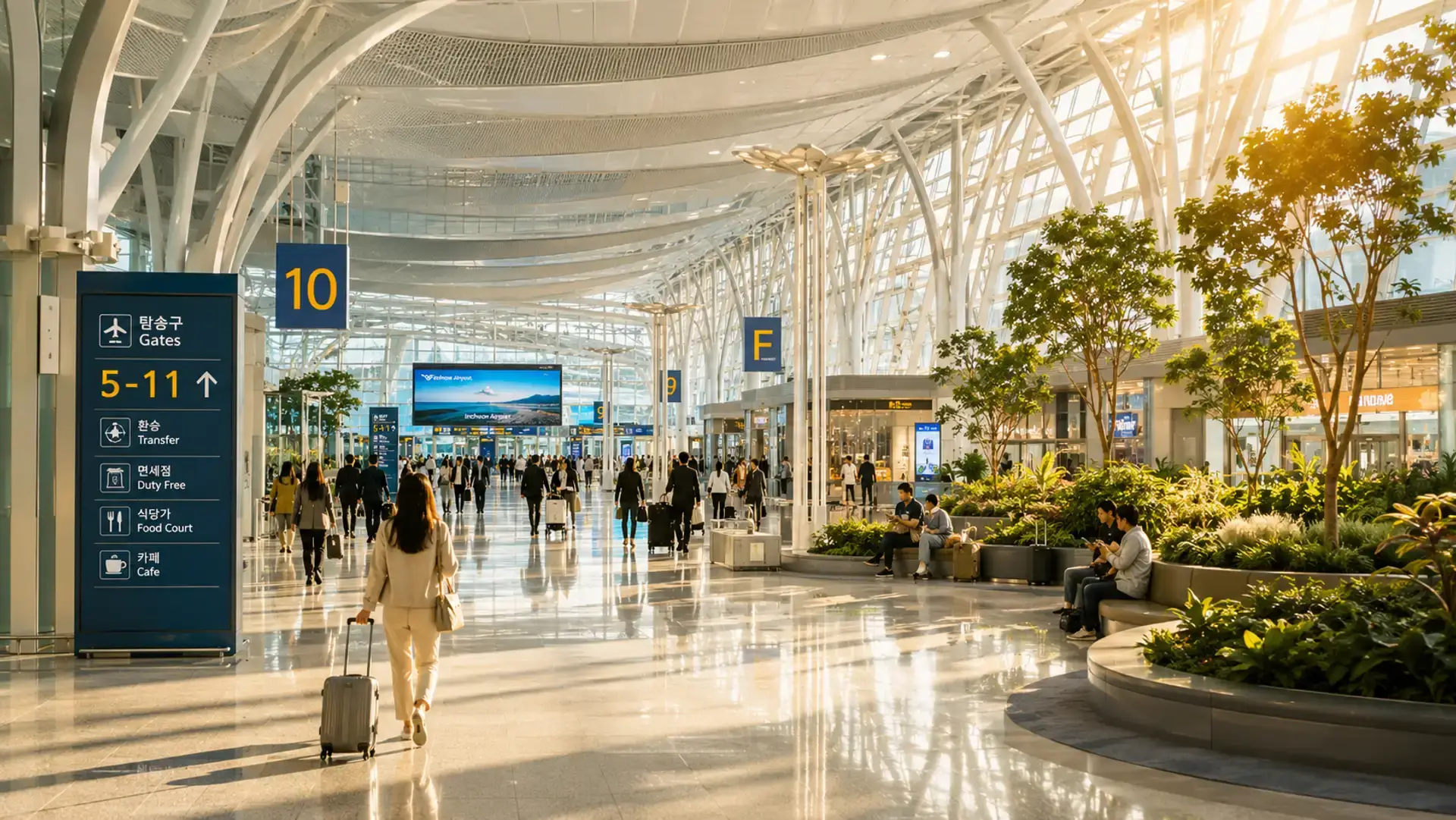
Seoul’s subway system connects the airport, major hospitals, and sightseeing areas.
Language
English is widely used in major tourist districts and medical facilities.
Accommodation
Gangnam, Myeongdong, and Jongno are popular neighborhoods because they offer easy access to both medical clinics and cultural attractions.
How to Plan a Short Medical + Travel Visit
Many visitors structure their trip like this:
Day 1: Arrival and consultation
Day 2: Checkup or treatment
Day 3: Light sightseeing and recovery
Day 4: Follow-up appointment
Day 5: Explore markets, museums, or cafés before departure
This schedule allows travelers to handle healthcare needs while still enjoying Seoul’s culture.
The Unexpected Bonus of Visiting Seoul
What surprises many visitors isn’t just the cost savings.
It’s the overall experience.
Between appointments, you might find yourself walking through a traditional neighborhood, trying street food in a market, or watching the city lights along the Han River.
Few cities combine efficient healthcare, easy transportation, and rich cultural experiences quite like Seoul.
Thinking About Visiting Seoul for Healthcare?
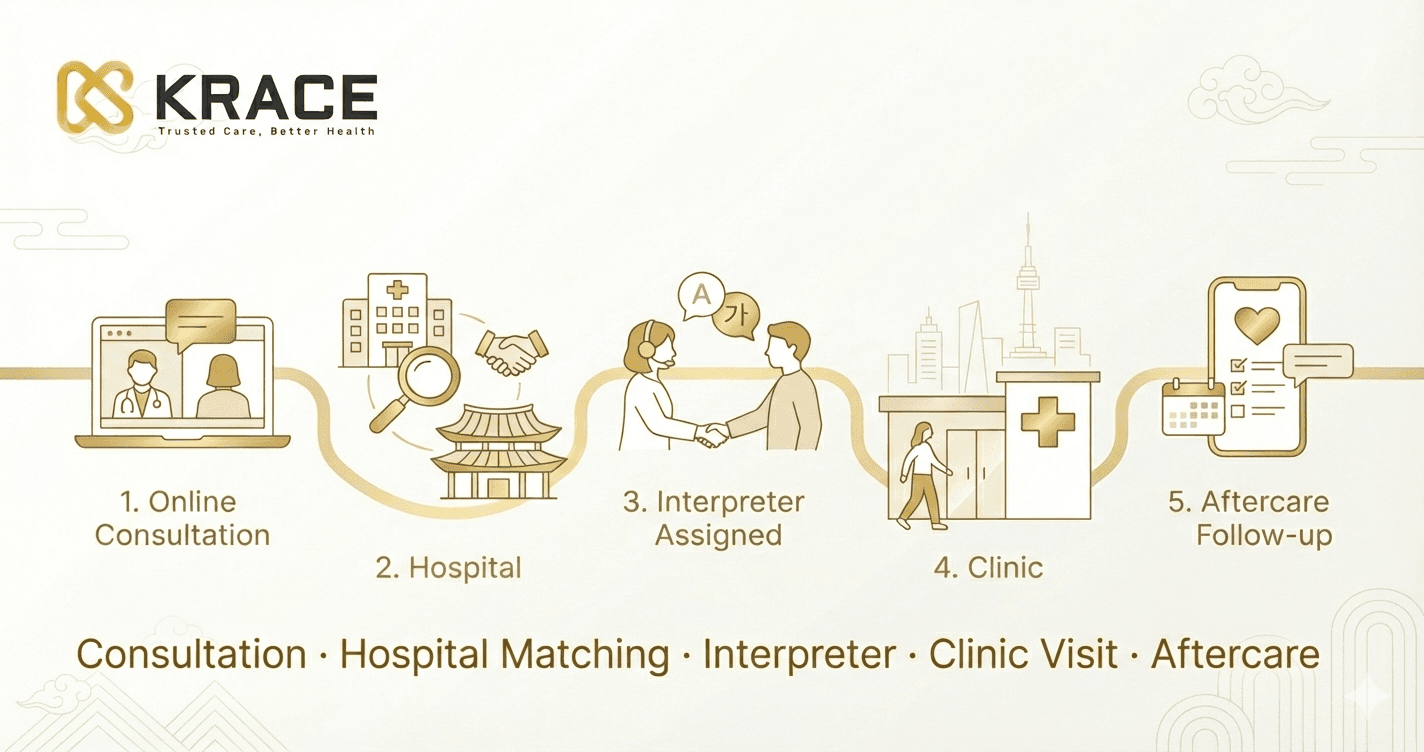
If you’re researching options for checkups, dermatology care, or wellness treatments in Korea, having the right local guidance can make the process much easier.
KRACE helps international visitors:
Find trusted clinics in Seoul
Book consultations and appointments
Navigate language and logistics
Plan follow-up care after returning home
Start with a free consultation and see what options might work for your trip.
Frequently Asked Questions
Planning a Seoul trip around healthcare or wellness? These FAQs explain how travelers combine clinic visits with hidden gems, local neighborhoods, food markets, and simple city logistics.