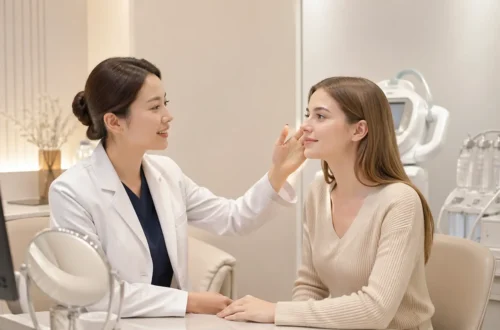

A few years ago, traveling to Korea for healthcare sounded niche. Maybe someone came for plastic surgery, maybe a K-beauty fan booked a skin treatment in Seoul.
That story has changed.
In 2025, Korea welcomed 2.01 million international patients from 201 countries, almost doubling from 1.17 million in 2024. Korean media described it as the beginning of a real “K-medical era,” but the most interesting part is not just the number. It is why people are coming.
Some come for dermatology. Some come for a full health checkup. Some book dental care while visiting family or traveling. Others are now exploring Korean medicine clinics because wellness, beauty, food, and recovery are becoming part of the same Korea trip.
Korea’s advantage is not simply “cheap healthcare.” It is faster access, predictable planning, strong medical infrastructure, and a travel experience that can be built around care.
Korea’s medical tourism boom is bigger than one neighborhood
When people think of medical care in Korea, they often think of Gangnam first. That makes sense. Gangnam and Seocho have a high concentration of dermatology, plastic surgery, dental, and wellness clinics.
But Korea’s medical travel map is broader than that.
Seoul still receives the largest share of international patients. In 2025, 87.2% of foreign patients visited clinics in Seoul, while Busan and Gyeonggi-do followed as other major regions.
Within Seoul, official city data shows strong activity not only in Gangnam, but also Seocho, Mapo, Jung-gu, and Songpa. Seoul reported nearly 1 million international medical tourists in 2024, and around 92% of Seoul’s international medical tourists were treated across five districts: Gangnam, Seocho, Mapo, Jung, and Songpa.
On the Ground
Clinics are not only in Gangnam. For visitors, the better question is: Which area fits your treatment and travel plan?
- Gangnam / Seocho: dermatology, aesthetics, dental, premium clinics
- Mapo / Hongdae area: younger travelers, beauty, wellness, easier travel vibe
- Jung-gu / Myeongdong area: tourist-friendly access, shopping, hotels
- Songpa / Jamsil: larger lifestyle district, family-friendly stays
- Gyeonggi-do: useful for visitors staying with family, long-term residents, or those looking outside central Seoul
- Busan / Jeju: better for travelers combining healthcare with coastal tourism
This is why KRACE should position Korea as a care network, not just “Gangnam clinics.”
So what are people coming for?
The biggest driver is still K-beauty medical care. In 2025, more than 62% of foreign patients received dermatology treatment, and plastic surgery accounted for 11.2%. Demand has been pushed by K-beauty, Korean pop culture, social media, and short recovery procedures that fit into a travel schedule.
But the full picture is more diverse.
Seoul’s 2024 medical tourism data shows international patients also visited for internal medicine, health screening centers, Korean medicine, dentistry, ophthalmology, and general surgery. Dermatology was the largest, but health checkups and Korean medicine are becoming more relevant as visitors look beyond beauty-only trips.
1. Dermatology: the entry point for many visitors

For many international visitors, dermatology is the easiest first step into Korean healthcare.
It feels less intimidating than surgery. It can often fit into a short trip. And the treatments match what people already see online: laser toning, lifting, skin boosters, acne care, pigmentation care, and post-travel skin recovery.
What visitors usually like:
- faster appointment access
- many clinic options
- clear treatment menus
- visible connection to K-beauty trends
- procedures that can fit around sightseeing
But this is also where careful clinic selection matters. Not every trending clinic is the right fit. Some clinics are built for volume, while others are better for English support, conservative treatment planning, or follow-up care.
Helpful internal guide: Korean Skin Treatment Guide
2. Health checkups: Korea’s most practical medical travel product
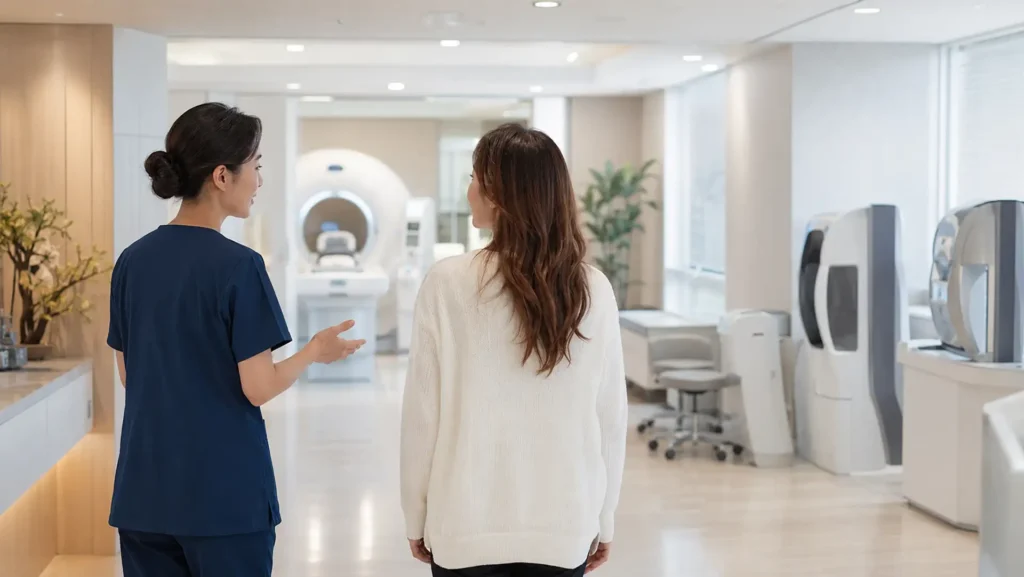
Health checkups are one of Korea’s strongest healthcare products for international visitors because the process is structured.
Instead of visiting multiple doctors across several weeks, many Korean checkup centers are designed around a one-stop flow: registration, basic testing, bloodwork, imaging, consultation, and report delivery.
This is especially attractive for visitors from places where preventive care feels slow, expensive, or fragmented.
Common reasons visitors consider a Korean health checkup:
- they are already traveling to Korea
- they want preventive screening
- they want faster access to diagnostic tests
- they prefer a packaged process
- they want results they can review after returning home
This is where KRACE can create strong conversion content: not “Korea is cheaper,” but “Korea makes preventive care easier to plan.”
Helpful internal guide: Korean Health Checkups Guide
3. Dentistry: a practical add-on for longer stays

Dental care is not always the headline of K-medical tourism, but it is highly practical.
For travelers staying in Korea for more than a few days, dental cleanings, whitening, fillings, crowns, implants, and orthodontic consultations may be considered if the clinic can provide English support and clear treatment planning.
Dental content can be especially interesting for:
- expats in Korea
- Korean-Americans visiting family
- long-stay travelers
- digital nomads
- visitors comparing out-of-pocket care
The key message should not be “get dental work while traveling” too casually. Dental care often requires follow-up, timing, and accurate diagnosis. The safer message is:
If you are already in Korea and need dental care, choose a clinic that can explain the treatment plan, timeline, materials, aftercare, and follow-up options clearly.
4. Korean medicine: wellness meets cultural curiosity

Korean medicine is becoming more interesting to international visitors because it connects healthcare with culture and wellness.
Seoul’s city report specifically noted that Korean medicine clinics are rising as must-visit medical tourism destinations, helped by global interest in Korean content, beauty, film, and healthcare.
For visitors, Korean medicine can feel less like a hospital visit and more like a wellness experience.
Possible interests include:
- body constitution consultation
- acupuncture
- posture or pain-related care
- herbal medicine consultation
- stress, fatigue, sleep, or recovery support
- beauty wellness programs
But this category needs careful communication. KRACE should avoid overclaiming medical effects. The best positioning is:
Korean medicine may be a good wellness-oriented option for visitors interested in traditional care, recovery, and personalized consultation — but treatment suitability should be confirmed case by case.
Helpful internal guide: Primary Care Korea Guide
Why Korea feels different from care back home
“Back home” is still a useful phrase because it speaks to visitors from the US, Canada, UK, Australia, and beyond. But for SEO and clarity, the article should mix both:
- “back home” for emotional relatability
- “in the US, Canada, UK, or Australia” for search relevance
- “your home country” for neutral explanation
The real difference is not just price. It is the patient experience.
Back home, many people deal with:
- long specialist waits
- unclear out-of-pocket costs
- separate appointments
- insurance uncertainty
- limited time with providers
In Korea, many visitors notice:
- faster booking
- more packaged care options
- clinics used to international patients
- easier combination with travel
- strong concentration of services in accessible city districts
That is why the article should focus on speed, predictability, and planning, not just cheap treatment.
A realistic 3-day care trip example
This is not medical advice, but it shows how visitors often think about Korea healthcare planning.
Day 1: Arrival + light consultation
Arrive in Seoul, check into a hotel near your clinic area, and complete an online or in-person consultation.
Best fit:
- skin consultation
- dental consultation
- Korean medicine consultation
- checkup preparation
Day 2: Main appointment
Complete your main visit.
Best fit:
- health screening
- dermatology treatment
- dental cleaning or treatment planning
- Korean medicine care
Day 3: Recovery + Seoul
Use the next day for low-intensity travel, shopping, café visits, or follow-up if needed.
Best fit:
- result review
- post-treatment check
- skincare recovery
- wellness care
This is where Korea becomes appealing: healthcare does not have to interrupt the trip. It can be planned into the trip.
What visitors should be careful about
Korea’s healthcare system is strong, but visitors should still be selective.
Before booking, check:
- Is the clinic registered to treat international patients?
- Is English support available before and after the visit?
- Are prices and included services clearly explained?
- Is follow-up possible after returning home?
- Does the clinic explain risks, downtime, and alternatives?
- Are you choosing based on medical fit, not just social media popularity?
This is where KRACE’s role becomes clear: clinic matching, booking support, interpretation, payment guidance, and aftercare coordination.
Helpful internal guide: Choose Korean Clinic Guide
The new K-medical story
Korea’s medical tourism boom is not only about beauty.
It is about a larger shift:
- dermatology for K-beauty visitors
- health checkups for preventive care seekers
- dentistry for practical treatment needs
- Korean medicine for wellness-focused travelers
- Seoul, Gyeonggi, Busan, and other regions creating more options
In 2025, the 2 million patient milestone made one thing clear: Korea is no longer a hidden healthcare option. It is becoming part of how international visitors plan travel, beauty, wellness, and preventive care together.
If you are already planning a trip to Korea, healthcare may be worth exploring — not because it is trendy, but because it can be structured, efficient, and easier to navigate with the right support.
Frequently Asked Questions About Healthcare Travel in Korea
Planning a clinic visit in Korea can feel confusing at first. These answers cover the most common questions international visitors ask before booking dermatology, health checkups, dental care, or Korean medicine appointments.