
A routine health checkup in the United States can take weeks to schedule and cost $2,000 or more once labs and imaging are included. In Korea, the same screening is often completed in half a day and costs a fraction of that.
For travelers already planning a trip to Asia—or those simply tired of long wait times back home—Korea has quietly become one of the world’s most practical destinations for medical care. The system is efficient, clinics are accustomed to international patients, and in cities like Seoul you can move from hospital appointment to coffee shop or museum in minutes.
This guide walks you through how medical travel to Korea actually works—costs, booking, safety, logistics, and what to expect once you arrive.
Why Travelers Choose Korea for Medical Care

Korea has built a global reputation for fast, technology-driven healthcare. But for many visitors, the biggest surprise is how streamlined the experience feels.
Instead of juggling multiple appointments across several weeks, many diagnostic services in Korea happen in one coordinated visit.
Several factors make Korea particularly attractive for medical travelers:
Faster access to care
In many Western healthcare systems, patients wait weeks—or even months—for specialist appointments. In Korea, diagnostic testing, imaging, and consultations often happen the same day.
This is especially common for comprehensive health screenings, dermatology treatments, and preventative care.
International-ready hospitals
Many Korean hospitals operate international patient centers with English-speaking coordinators. Several facilities are accredited by Joint Commission International (JCI), a widely recognized global healthcare standard.
You can verify accredited hospitals through the official
High patient volume and specialization
Korea treats hundreds of thousands of international patients each year, particularly in specialties like dermatology, preventive medicine, dentistry, and aesthetic procedures.
Clinics are accustomed to working with travelers, which means scheduling, translation support, and medical documentation are usually well organized.
The Real Cost Difference: Korea vs. Your Home Country

One of the most common questions travelers ask is simple: Is it actually cheaper?
In many cases, yes—significantly.
Below is a typical comparison for common preventative services.
Service | United States | Korea (Seoul) |
|---|---|---|
Comprehensive health screening | $2,000–$4,000 | $500–$800 |
Dermatology consultation | $200–$400 | $30–$60 |
Advanced imaging (MRI/CT) | $1,000–$3,000 | $200–$800 |
The difference comes from several factors:
Korea’s healthcare infrastructure is highly centralized and efficient
Diagnostic equipment is widely available
Administrative overhead is lower than in many Western systems
For travelers, this means many procedures—even after airfare—can still cost less than receiving the same services back home.
If you're curious about the typical tests included, see
[what a Korean health screening includes](INTERNAL_LINK: Korea health checkup guide).
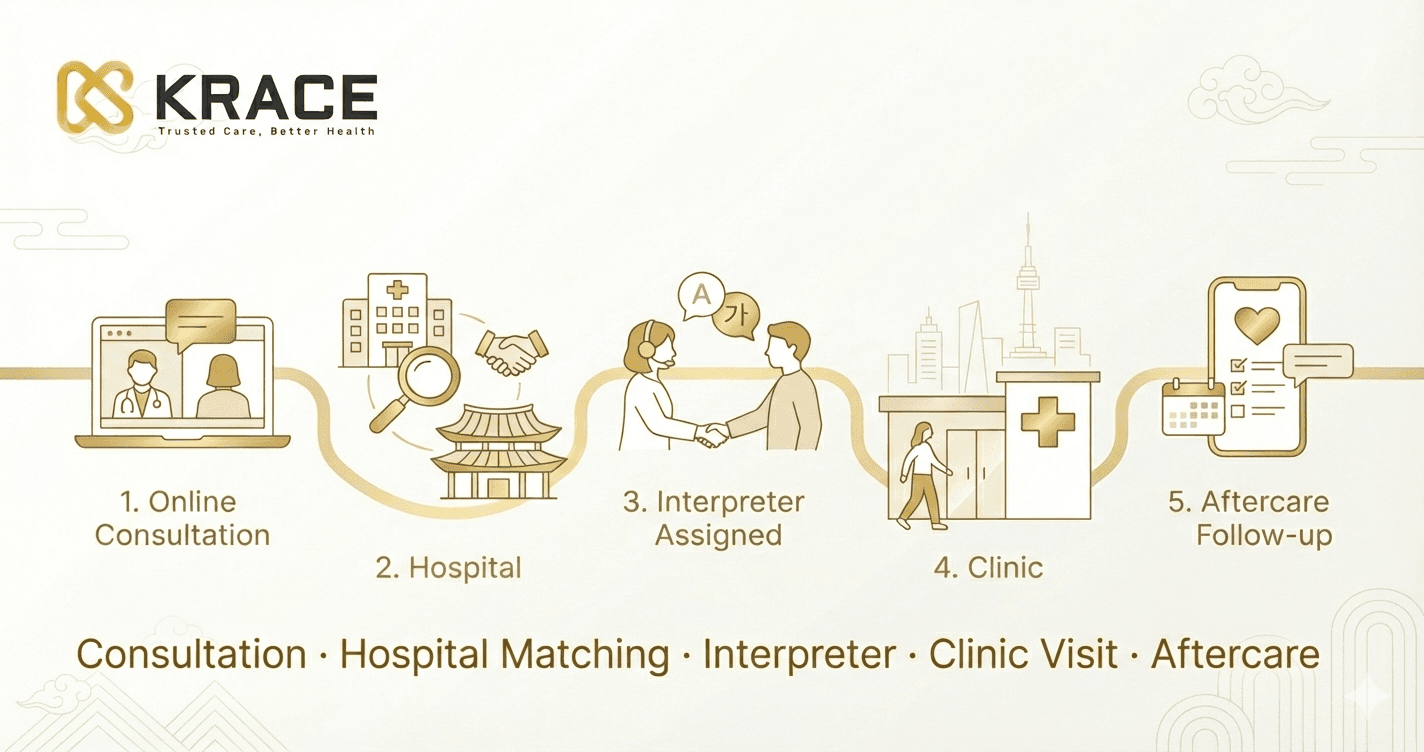
How the Booking Process Works (Step-by-Step)
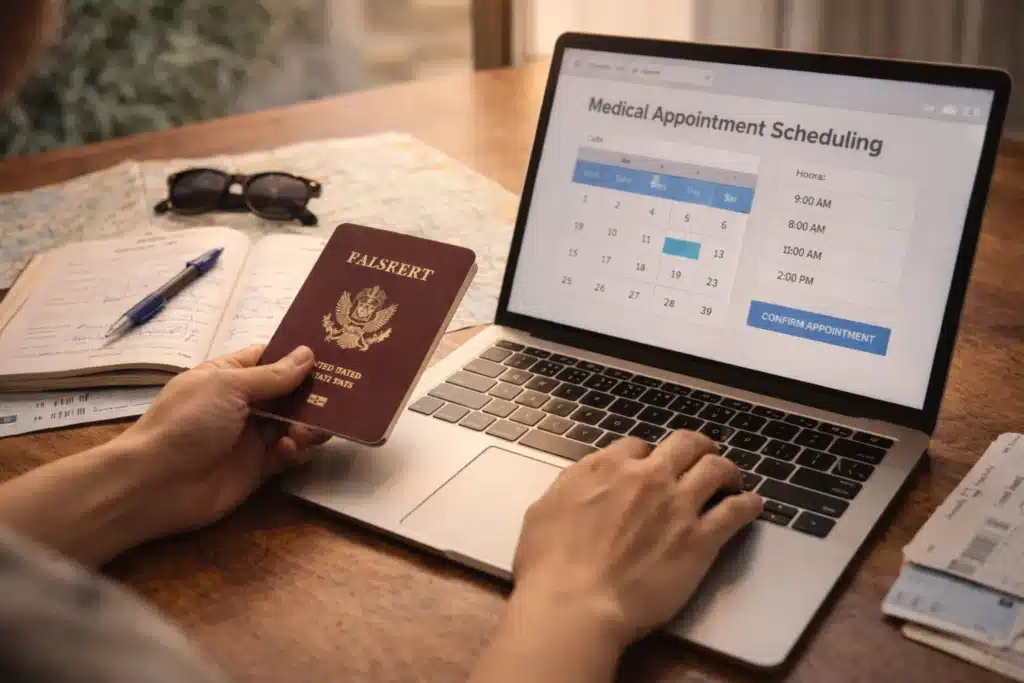
Booking medical care in Korea is simpler than many people expect. The process usually looks like this:
1. Choose the type of care you need
Common options for international visitors include:
Preventive health screenings
Dermatology and skin treatments
Dental exams and cosmetic dentistry
Vision testing and eyewear services
2. Submit a pre-consultation form
Most clinics request basic information such as:
Health concerns or symptoms
Previous medical history
Travel dates
Preferred clinic location
This helps doctors recommend the right tests before you arrive.
3. Confirm appointment and deposit
Many clinics hold appointments with a small reservation deposit, especially for international patients.
Once confirmed, you’ll receive preparation instructions such as fasting requirements for certain tests.
4. Arrive for your appointment
In many cases, a full screening can be completed within 3–5 hours, including lab tests, imaging, and a physician consultation.
On the Ground: What Surprises Most Visitors
The biggest surprise for many travelers is how quickly things move.
A typical health screening might involve blood tests, ultrasound, imaging, and a doctor consultation—all completed before lunchtime.
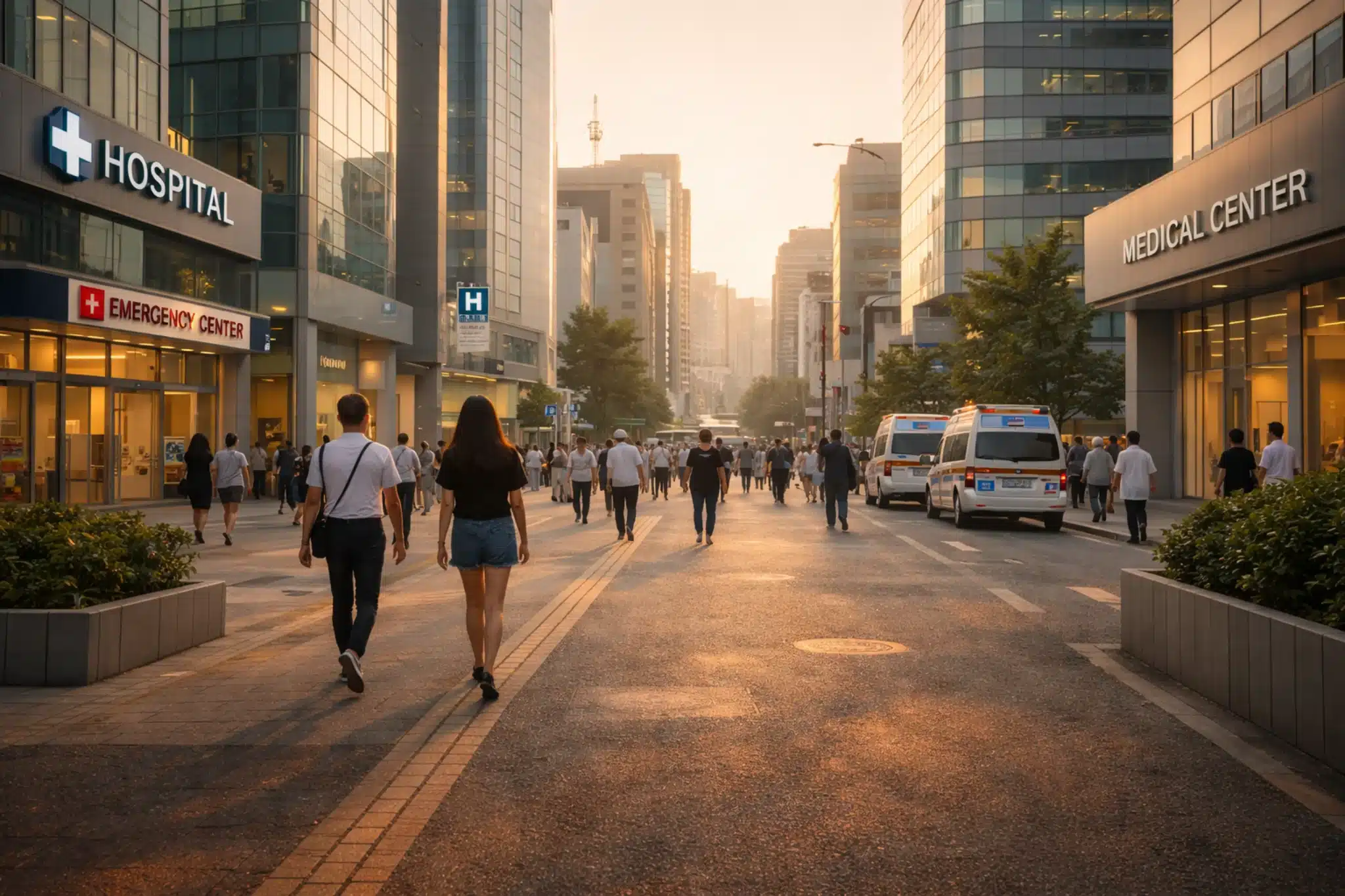
Afterward, many visitors simply step outside the hospital and grab lunch or explore the neighborhood. In medical districts like Gangnam, cafés and restaurants are literally across the street from clinics.
Safety, Accreditation, and Quality of Care

Safety is a top concern for anyone considering medical travel.
Fortunately, Korea has several layers of oversight.
JCI accreditation
Many large hospitals hold JCI accreditation, which evaluates patient safety, surgical protocols, and hospital management standards.
Highly trained physicians
Korean doctors typically complete:
Medical school
Residency training
Board certification in their specialty
Many also pursue international fellowships or research training.
Advanced technology
Korean hospitals are known for high diagnostic capacity, meaning imaging equipment and laboratory services are widely available and frequently used.
For travelers, this often translates to faster diagnosis and shorter treatment timelines.
Travel Logistics: Getting Around Is Surprisingly Easy
Once you arrive in Korea, logistics are often easier than expected.
Transportation
Seoul’s public transit system is widely considered one of the best in the world.
Subways are clean, affordable, and connect most major medical districts.
Navigation is simple using apps like
Naver Map, which offers detailed English navigation for public transit and walking routes.
Safety
Korea consistently ranks among the safest developed countries for travelers, with low violent crime rates and highly walkable cities.
Accommodation
Medical districts like Gangnam, Apgujeong, and Jongno offer a wide range of accommodation—from budget hotels to luxury serviced apartments.
Many clinics can recommend nearby hotels accustomed to international patients.
What to Do Between Appointments
Medical travel doesn’t have to mean spending your entire trip in a hospital.
Most medical visits only take part of a day, leaving time to explore.
Near Seoul’s major clinics you’ll find:
Traditional markets
Modern shopping districts
Museums and galleries
Korean cafés and bakeries
Planning Your Medical Trip to Korea
If you’re considering healthcare in Korea, start with three practical steps.
First, determine the services you’re interested in—such as health screening or dermatology.
Second, request recommendations or quotes from two to three clinics to compare options.
Finally, align your appointment dates with your travel schedule so you have time to explore the city after your visit.
A Simple Way to Start
Planning medical care overseas can feel overwhelming at first. But with the right guidance, it can become a smooth—and surprisingly efficient—experience.
If you’re exploring healthcare options in Korea, start by requesting a personalized clinic recommendation and travel timeline based on your needs.
That way, you can focus less on logistics—and more on enjoying your time in Seoul.