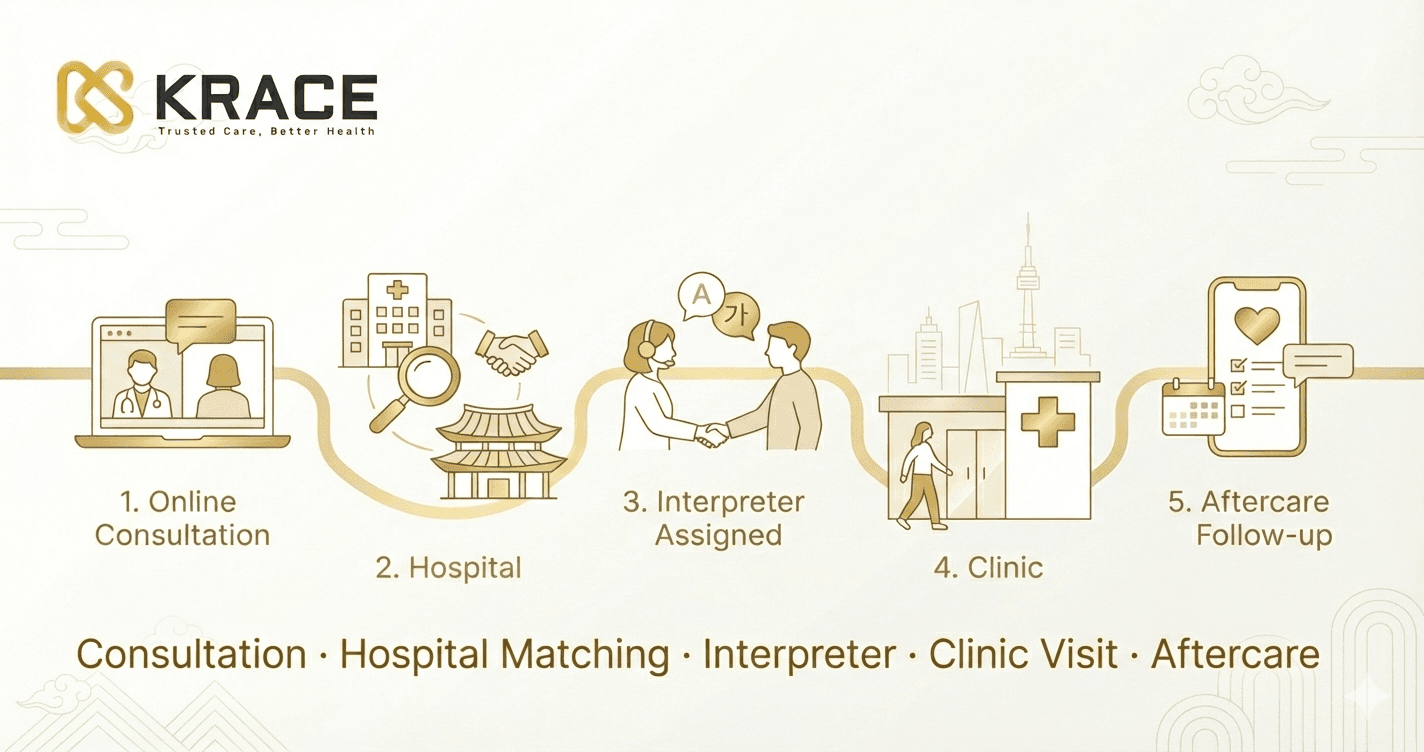


If you’ve ever thought, “I should really get a full checkup… but the U.S. system makes it complicated,” you’re not alone. Korea has quietly become one of the easiest places to get a high-quality, comprehensive medical screening—often in a single day, with clear results and modern facilities. In this guide, you’ll learn what Korean health checkup packages include, how costs compare to North America, and how to plan a smooth, stress-free visit.
Why Korea Is on North Americans’ Radar for Preventive Care

Korea’s healthcare system is built around prevention and early detection. Many hospitals have dedicated Health Promotion Centers (screening centers) designed to run a large number of exams efficiently—without feeling rushed.
For international patients, Korea’s medical tourism ecosystem has also matured fast. In 2024, Korea recorded about 1.17 million foreign patients seeking medical services—an all-time high—showing global confidence in its care quality and infrastructure.
What makes Korea especially appealing for North Americans
Speed: Many screenings are completed in 3–5 hours depending on the package.
Value: You can often bundle multiple imaging/lab/endoscopy tests into one coordinated visit.
Convenience: International clinics and medical tourism support are common in major cities like Seoul.
Tip for planners: If you’re combining a checkup with travel, aim to schedule your screening early in the trip. You’ll avoid “what if something comes up?” anxiety and enjoy the rest of Korea with peace of mind.
What Is a “Korean Health Checkup Package,” Exactly?

A Korean health checkup package is a curated set of tests—typically organized by age, risk level, and goals. Think of it like an “executive physical,” but with more standardized options and strong hospital infrastructure built for screenings.
Common package tiers (general pattern)
1) Basic / Essential
Vitals + physician interview
Bloodwork (cholesterol, glucose, liver/kidney markers)
Urinalysis
Chest X-ray, ECG
Often completes in a few hours
2) Comprehensive
Everything above, plus:
Expanded labs, abdominal ultrasound
Cancer screening markers (varies)
Additional imaging (often CT options)
Lifestyle/metabolic risk review
3) Premium / Executive
More advanced imaging and organ-focused tests
Often includes gastroscopy/colonoscopy (sometimes with sedation)
Cardiac imaging options (e.g., echocardiography)
More time with specialists and detailed reporting
Quick reality check: “More tests” isn’t always “better.” The best package is the one that matches your age + family history + symptoms + comfort level. A reputable hospital will help you choose rather than upsell.
Frequently Asked Questions
Planning a Korean health checkup package in 2026? These FAQs explain what’s included, how long it takes, how to choose a package, and what international visitors should prepare.