Imagine needing a health checkup but facing a three-month wait back home. Now picture landing in Seoul, booking a clinic visit within days, completing lab tests the same morning, and getting results before the week ends. For many international visitors, that’s not hypothetical — it’s exactly how healthcare works in Korea, especially for those seeking primary care Korea.
Across North America, Europe, and Australia, rising costs and long wait times are pushing travelers to look abroad for care. Korea has quietly become one of the most practical destinations: modern clinics, transparent pricing, and surprisingly smooth logistics for international patients.
This trend towards primary care Korea is becoming increasingly popular among travelers.
Why Korea Has Become a Go-To for Preventive Care
Understanding Primary Care Korea
Seoul might be famous for skincare and K-beauty, but its healthcare system is just as impressive. Clinics combine advanced diagnostics with efficient workflows that prioritize preventive medicine — something many travelers find difficult to access quickly in their home countries.
A typical Korean clinic visit is designed for speed and clarity. Instead of multiple referrals over months, patients often complete consultations, lab work, and imaging within the same visit.
For example:
A comprehensive health screening in Seoul typically costs $800–$1,200.
Similar preventive checkups in the United States can exceed $3,000–$5,000, depending on insurance coverage.
Even for visitors from Canada, the UK, or Australia — where public healthcare exists — wait times for specialist diagnostics can stretch for weeks or months.
Korea’s model focuses on early detection and convenience. Many clinics run one-day screening programs, where patients move through multiple tests in a coordinated sequence.
If you’re curious about what these screenings include, this guide explains [what a Korean health screening includes](National Health Insurance Service: Korea health checkup guide).
Cost Comparison: Korea vs. Healthcare Back Home
Cost is often the first thing travelers notice — but the difference isn’t just price.
It’s the combination of cost, speed, and transparency.
Let’s look at a simplified comparison:
Service | Korea (approx.) | United States |
|---|---|---|
Comprehensive health checkup | $800–$1,200 | $3,000–$5,000+ |
Dermatology consultation | $40–$90 | $150–$300 |
Blood panel diagnostics | $80–$200 | $400–$1,000 |
These ranges vary by clinic and testing scope, but the gap is consistent.
Many clinics also provide clear package pricing, which makes budgeting easier for international patients.
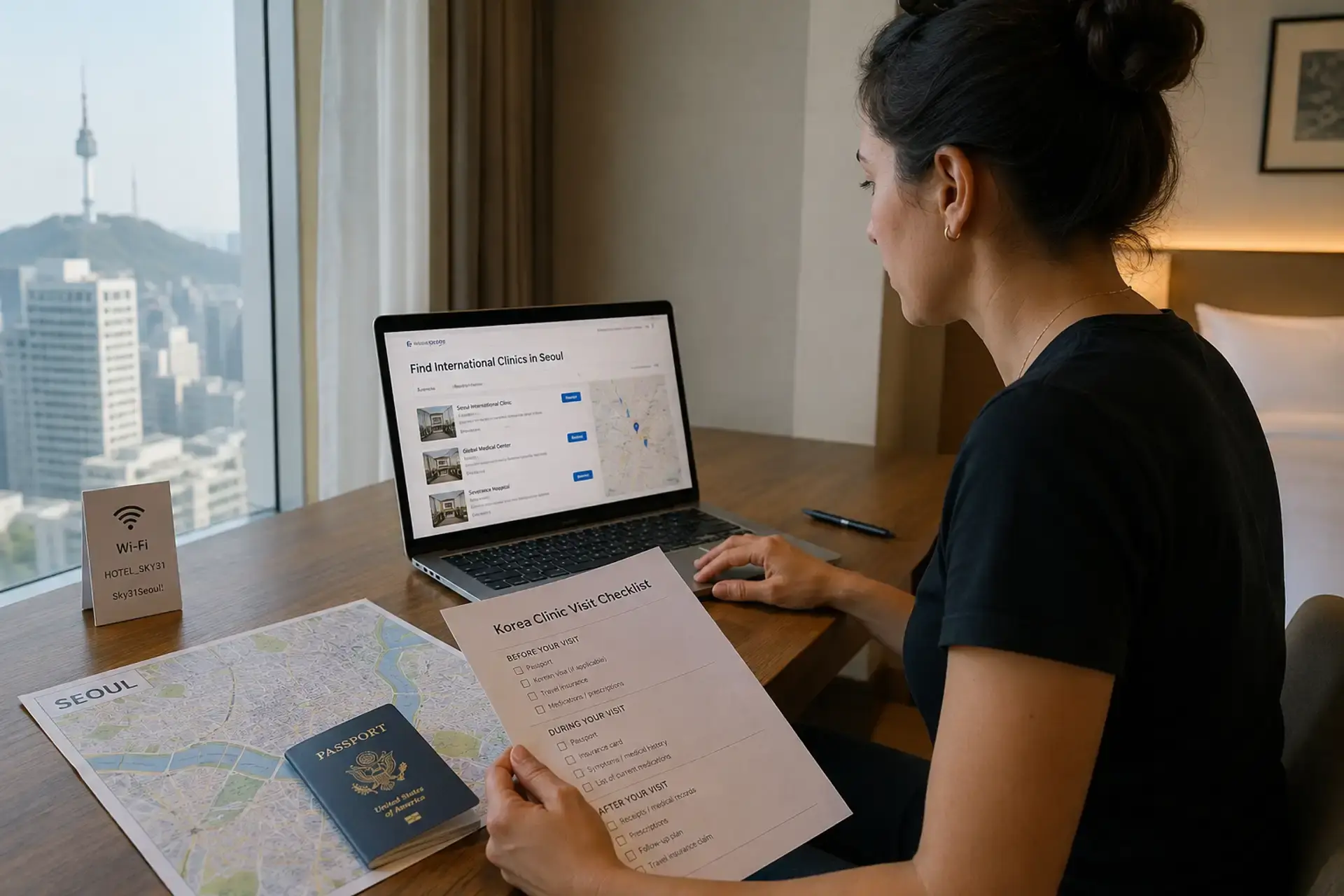
And because Seoul’s public transit is efficient and inexpensive, getting around between your hotel and clinic is straightforward. Most travelers navigate the city easily using Naver Map — the navigation app locals actually use.
What the Appointment Process Looks Like
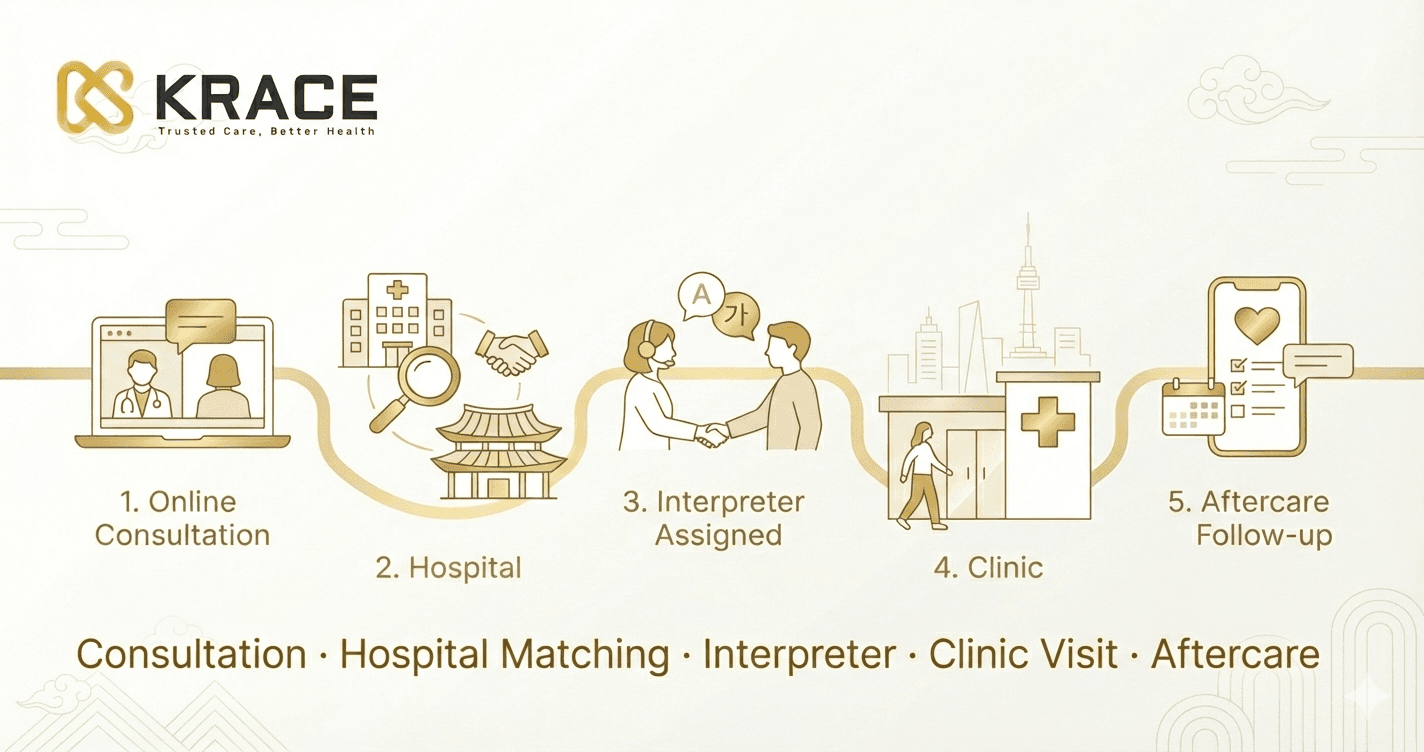
One of the biggest misconceptions about medical travel is that it’s complicated. In Korea, the process is surprisingly structured.
Most clinics follow a simple sequence:
1. Pre-consultation
You’ll usually complete a questionnaire about your medical history and goals before booking.
This allows the clinic to recommend appropriate tests or consultations ahead of your visit.
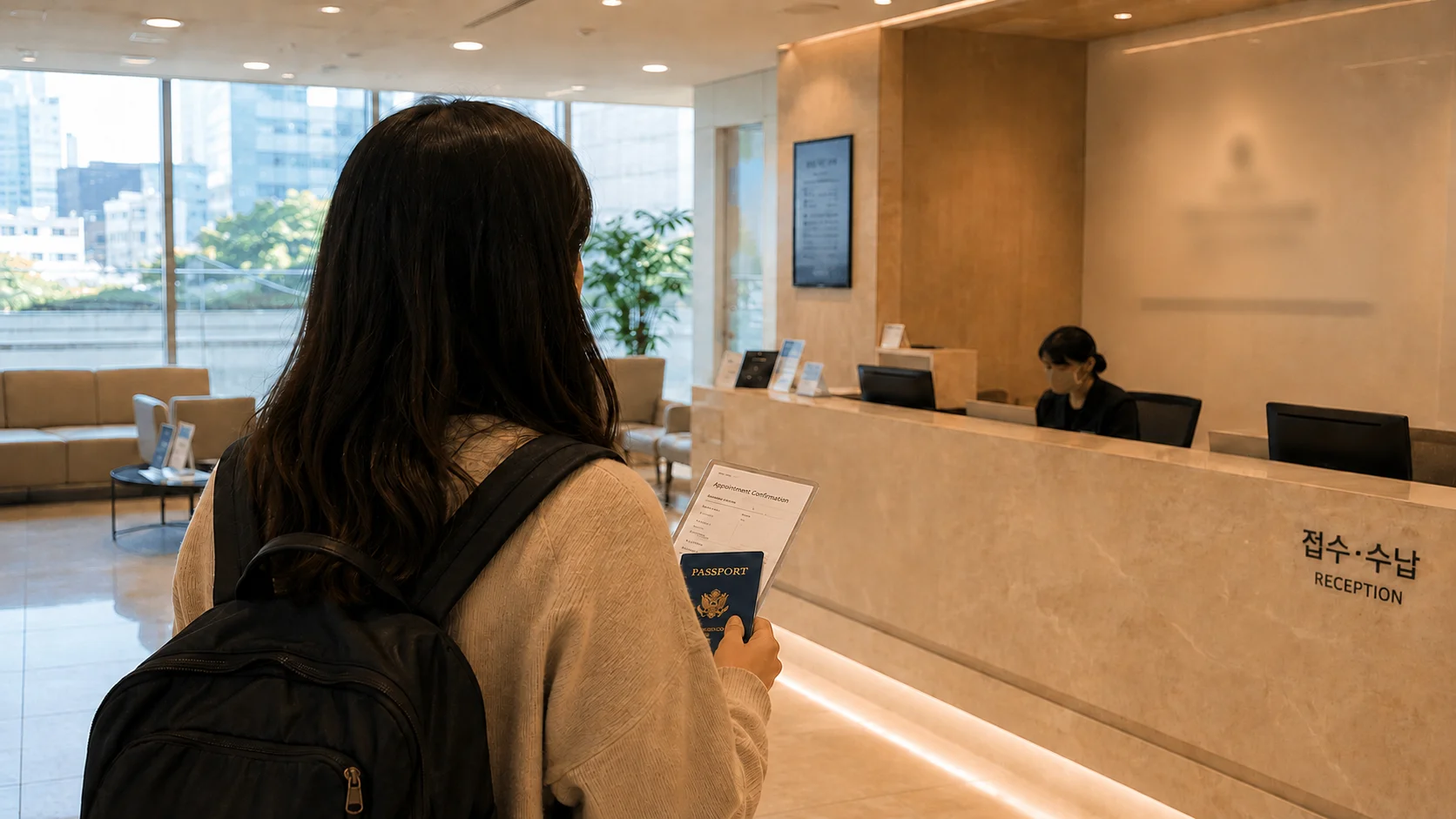
2. Appointment scheduling
International patients often book 1–3 weeks in advance, depending on the clinic and season.
Many Seoul clinics have dedicated coordinators who help overseas visitors manage scheduling.
3. On-site testing and consultation
Health checkups typically include:
Blood work
Imaging scans
Physical examinations
Specialist consultations
Most of these occur in the same facility on the same day.
4. Results and follow-up
Results are often available within a few days. Digital follow-ups are common, especially for international patients who have already returned home.
On the Ground: What Surprises First-Time Visitors
One thing many travelers don’t expect is how organized Korean clinics are.
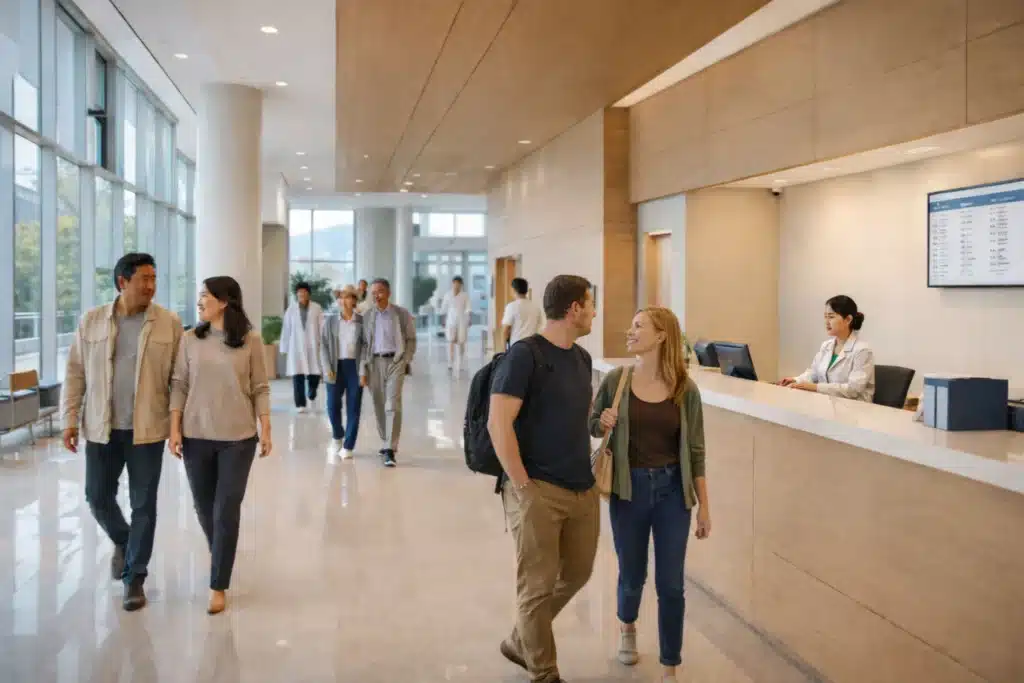
Instead of waiting rooms packed with patients, many screening centers move people through stations — blood tests, imaging, consultation — almost like an airport check-in system. It can feel surprisingly calm and efficient.
Safety, Accreditation, and Trust Signals
Healthcare quality is one of the most common questions travelers ask — and it’s a fair one.
South Korea has built a strong reputation for medical safety and regulatory oversight.
Several major hospitals in Seoul hold accreditation from the Joint Commission International (JCI), one of the most widely recognized global healthcare accreditation systems.
According to the Korea Health Industry Development Institute, Korea receives hundreds of thousands of international medical visitors each year, many seeking preventive care, dermatology, and wellness services.
Before booking any clinic, travelers should:
Confirm doctor credentials and specialization
Ask about international patient services
Review clinic accreditation or licensing
The good news is that reputable clinics are typically transparent about these details.
Practical Logistics: Language, Navigation, and Daily Life
Medical travel often sounds intimidating — until you realize how accessible Seoul actually is.
The city is consistently ranked among the safest major cities in the world, with low crime rates and a highly organized transportation system.
Visitors often find that daily logistics are easier than expected:
Subways and buses are clean and affordable
Many clinics have English-speaking coordinators
Translation apps like Google Translate help bridge language gaps quickly
Accommodation is another advantage. Medical districts such as Gangnam or Jongno have plenty of hotels and serviced apartments within walking distance of major clinics.
For general city guidance and travel tips, the Seoul Tourism Organization provides helpful visitor information.
The Technology Edge: Why Diagnostics Move So Fast
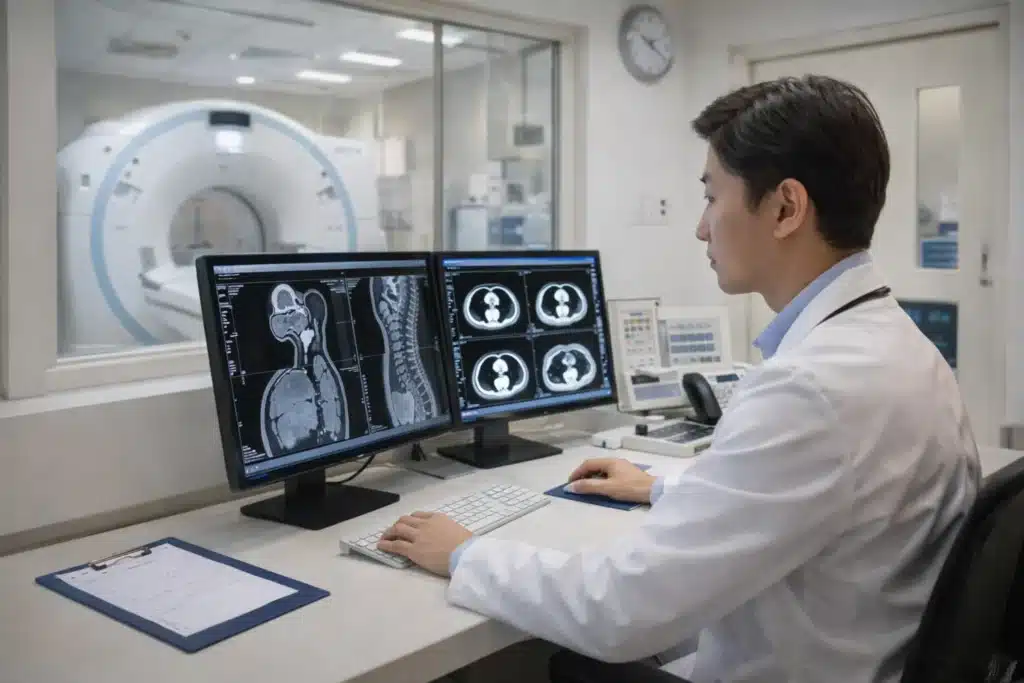
Another reason healthcare in Korea feels faster is its strong integration of technology.
Many hospitals use digital medical records, advanced imaging systems, and increasingly AI-assisted diagnostic tools to support clinical decision-making.
These tools help physicians analyze imaging results, identify potential abnormalities earlier, and personalize treatment recommendations.
While technology doesn’t replace doctors, it often shortens the diagnostic timeline — which is one reason visitors can receive results quickly.
Combining Healthcare With the Seoul Experience
One reason many travelers choose Korea over other medical tourism destinations is that the healthcare trip itself can be comfortable and enjoyable.
Clinics are often located near vibrant neighborhoods filled with cafés, parks, and shopping streets.
That means a typical medical day might look like this:
Morning health screening → lunch nearby → afternoon consultation → evening walk through Seoul.
Instead of feeling like a stressful medical trip, many visitors describe the experience as a practical wellness getaway.
Start Planning Your Visit
Healthcare abroad can feel overwhelming at first — but with the right preparation, many travelers find Korea offers one of the most efficient medical experiences available.
If you’re considering a health checkup, dermatology consultation, or wellness service in Korea, start by understanding your options and comparing clinics carefully.
When you’re ready, KRACE can help simplify the process — from understanding your care goals to connecting you with trusted clinics and coordinating appointments.
Because healthcare abroad should feel clear, safe, and surprisingly easy.
Frequently Asked Questions
Here are common questions travelers ask when considering primary care Korea, including clinic access, costs, language support, and follow-up.