Imagine this: back home, you wait weeks—sometimes months—for a specialist appointment, only to spend 10 minutes in the consultation room. Now imagine landing in Seoul and getting a full consultation, diagnostics, and a treatment plan within 24–48 hours.
That’s not an exception. It’s the norm in Korea.
But here’s the reality most guides skip: while Korea is fast and affordable, choosing the right clinic as a foreigner can feel overwhelming. Different systems, unclear pricing, and language gaps can turn a great opportunity into a stressful experience—if you don’t know what to look for.
This guide breaks it down in a practical, no-fluff way so you can make a confident, informed decision.
Why More Travelers Are Choosing Korea for Care

Korea has quietly become one of the most efficient healthcare systems in the world—not just for locals, but for international patients.
You’ll notice the difference immediately. Clinics are specialized, highly competitive, and designed for fast patient flow. Instead of one hospital handling everything, dermatology clinics focus purely on skin, health screening centers run full-body diagnostics, and dental clinics specialize in precision care.
That specialization is what enables speed.
In your home country, you might need multiple referrals. In Seoul, you can often walk into a clinic or book same-week appointments—especially for dermatology or health checkups.
And yes, the quality is there too. Many hospitals in Korea are accredited by the Joint Commission International (JCI), a global standard for patient safety and care.
Cost Comparison: Korea vs. Back Home
Let’s talk numbers—because this is usually the starting point.
A comprehensive health checkup in the U.S. can easily cost $3,000–$5,000 without insurance. In Korea, similar packages often range from $500–$1,500.
Dermatology treatments? Procedures that cost $800–$1,200 back home are often $200–$500 in Seoul.
The savings are real—but what matters more is value per time.
You’re not just paying less. You’re getting:
Faster diagnosis (often same day)
Bundled services (labs, imaging, consultation in one visit)
Transparent package pricing (in many clinics)
If you’re planning a trip anyway, the math starts to make sense.
Korean Health Checkups: Why Travelers Are Booking Screenings in Seoul
Imagine booking a full medical checkup and getting the results the same day—not after weeks of waiting. For many travelers visiting Korea, that’s exactly what happens. Health screenings in Seoul combine fast diagnostics, transparent pricing, and English-friendly clinics. Compared with long wait times and high costs in many countries, a Korean health checkup often feels less like a medical ordeal and more like a well-organized part of your trip. Why More Travelers Are Choosing Korea for Preventiv
blog.kracecare.com

How Booking Actually Works (And Why It Feels Different)
This is where most foreign visitors get stuck.
In many countries, healthcare is centralized—insurance networks, referral systems, and long scheduling pipelines.
In Korea, it’s the opposite.
Clinics operate independently. That means:
You can book directly with clinics
Walk-ins are common
Same-week appointments are normal
But here’s the catch: there’s no single system that organizes everything for you.
Some clinics use email. Others prefer messaging apps. Some require deposits. Others don’t.
That’s why many travelers use coordination platforms or local support services to streamline booking, communication, and payments.
If you’re navigating on your own, always confirm:
Appointment date and time (double-check time zones)
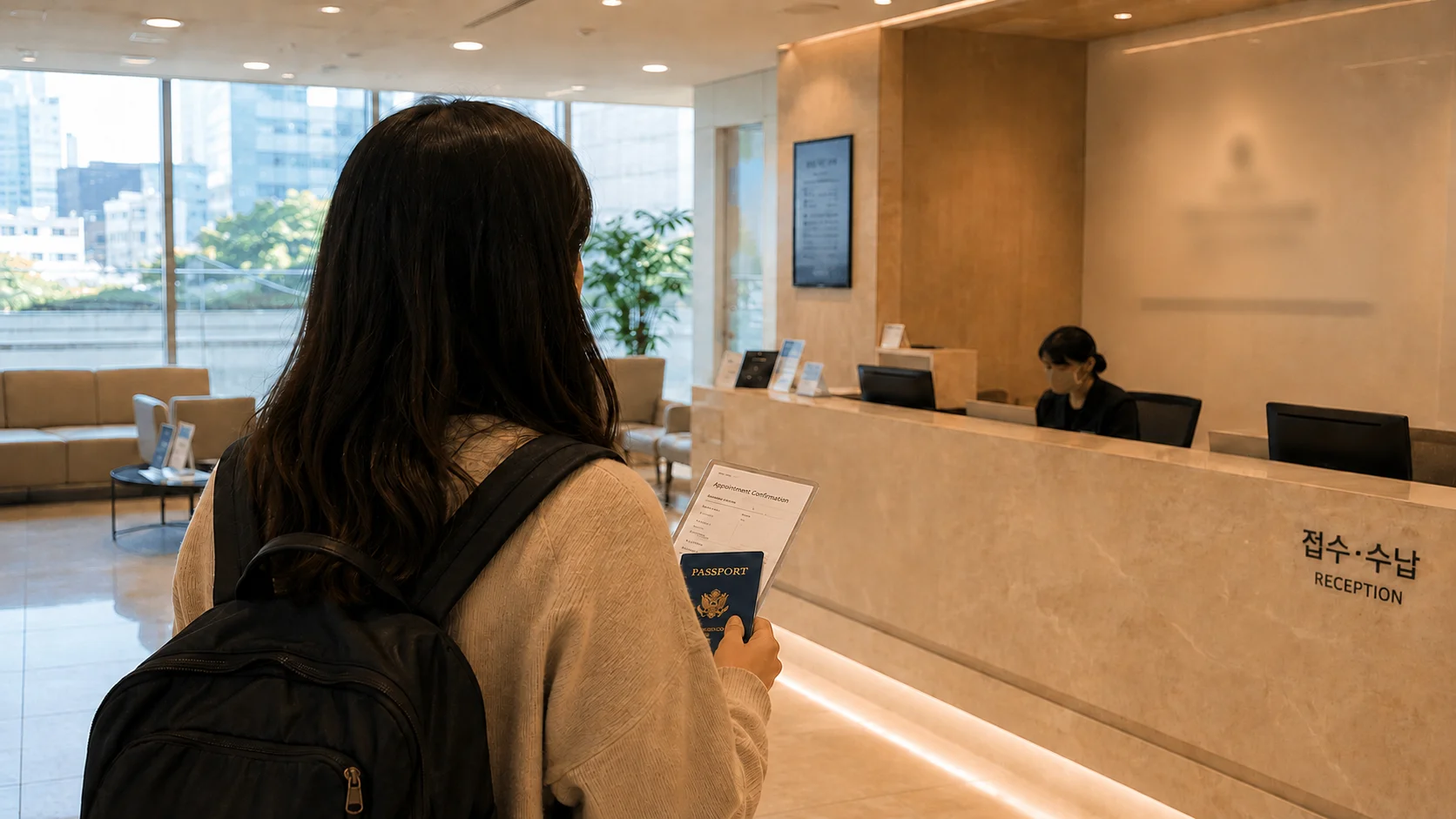
Required documents (passport, prior records if relevant)
Payment method (card, cash, or deposit)
For getting around appointments, most travelers rely on tools like Naver Map to navigate Seoul easily—Google Maps works, but local apps are often more accurate for walking directions.
Safety First: How to Check Clinics and Doctors
This is the part you should never rush.
Korea has a strong medical reputation—but like anywhere, not all clinics are equal.
Start with accreditation. Look for Government-certified hospitals or clinics with clear international patient programs.
Then go deeper:
Check doctor credentials and specialization
Look for before/after cases (especially for dermatology)
Read reviews from international patients—not just local ones
You can also browse traveler discussions on platforms like Reddit expat communities to see real experiences—both good and bad.
On the Ground (Real Talk)
“A lot of clinics look similar online. The difference shows up in communication. Some respond clearly in English and explain pricing upfront. Others don’t. That’s usually your first signal of what the experience will be like.”
Transparency is a bigger trust signal than marketing.
The Logistics No One Tells You About
Choosing the right clinic isn’t just about the treatment—it’s about the entire experience around it.
Location matters more than you think.
Most international-friendly clinics are concentrated in areas like Gangnam, which means you’ll want accommodation nearby to avoid long travel times after procedures.
Getting around is easy. Seoul’s public transportation is clean, safe, and affordable. You can explore routes and fares through the Seoul Tourism Organization resources.
Language is less of a barrier than you might expect—but not zero. Larger clinics often have English-speaking staff, but smaller clinics may rely on basic communication.
And safety? Korea consistently ranks among the safest countries for travelers, even at night. That peace of mind matters when you’re navigating medical care abroad.
How to Actually Compare Clinics (Without Overthinking It)

At some point, you’ll have 2–3 clinic options—and decision fatigue kicks in.
Here’s a simple way to cut through it.
Instead of chasing the “best” clinic, define your priorities:
Is cost your top concern?
Do you want the fastest possible appointment?
Is English communication critical for you?
Do you prefer a clinic used to international patients?
Then compare clinics based on those factors—not just price.
A cheaper clinic with unclear communication can cost you more in stress (and mistakes).
A slightly higher-priced clinic with clear coordination and support often delivers a better overall experience.
You Might Also Like

How to Book a Clinic in Korea as a Foreigner
Imagine this: back home, you wait two to six weeks just to see a doctor—longer for anything specialized. Now picture landing in Seoul and getting a consultation, diagnosis, and treatment plan within a single day. That’s not a travel hack. It’s how the Korean medical system works. But here’s the catch: while care is fast and accessible, figuring out how to actually book a clinic in Korea as a foreigner isn’t always straightforward. Different systems, language gaps, and unclear pricing can make it
blog.kracecare.com

Patient Success Stories in Korea: What Actually Happens (And Why People Keep Coming Back)
Imagine booking a specialist appointment back home and being told the next available slot is in three months—then discovering you could be seen, diagnosed, and treated within a week in Korea, often at half the cost. That’s not a marketing claim—it’s the reason thousands of international patients quietly choose Korea each year. Why Korea Keeps Showing Up in Real Patient Stories There’s a reason Korea keeps coming up in Reddit threads, YouTube vlogs, and expat forums. It’s not just about K-beauty
blog.kracecare.com

Why More Travelers Are Choosing Korea for Primary Care (And What It’s Really Like)
Imagine needing a health checkup but facing a three-month wait back home. Now picture landing in Seoul, booking a clinic visit within days, completing lab tests the same morning, and getting results before the week ends. For many international visitors, that’s not hypothetical — it’s exactly how healthcare works in Korea, especially for those seeking primary care Korea. Across North America, Europe, and Australia, rising costs and long wait times are pushing travelers to look abroad for care. Ko
blog.kracecare.com
Your Next Step (Without the Guesswork)
Choosing a clinic in Korea doesn’t have to be complicated—but it does require the right approach.
Start by shortlisting 2–3 clinics. Ask for clear pricing. Check how they communicate. And prioritize clarity over hype.
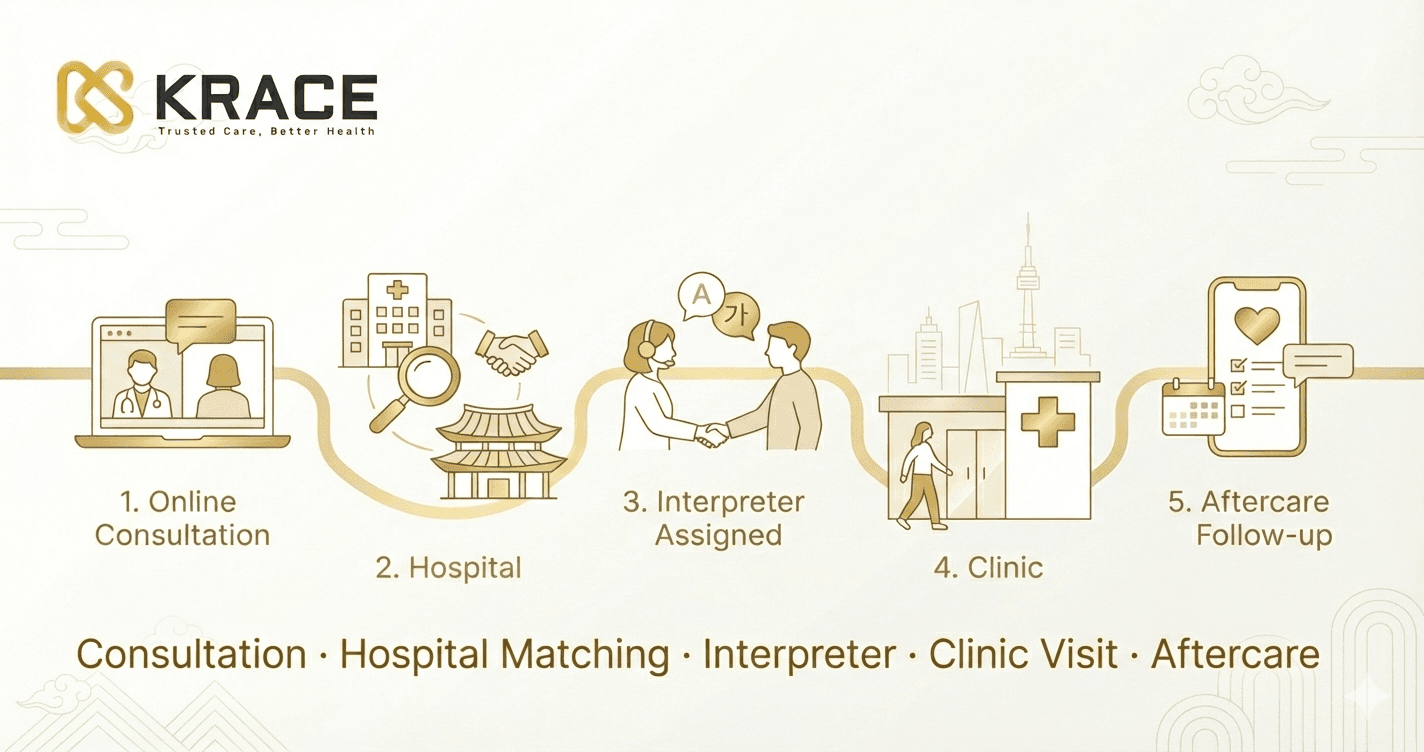
If you want a faster, more guided experience, KRACE helps you compare clinics, book appointments, and navigate the entire process—from consultation to aftercare.
Frequently Asked Questions
Here are common questions international visitors ask when planning primary care in Korea, from clinic costs to booking and language support.