
You finally get an appointment back home… three weeks out. Then another two weeks for results. Meanwhile, the issue hasn’t gone away — it’s just waiting with you. This contrasts sharply with the korea clinic experience, which can provide immediate solutions.
Now imagine this: you land in Seoul, see a specialist within days, get diagnostics the same day, and walk out with a clear plan before the week ends. That’s not a luxury experience — it’s surprisingly normal in Korea.
The korea clinic experience is defined by swift diagnosis and treatment options.
Why Korea Feels Faster (Because It Actually Is)
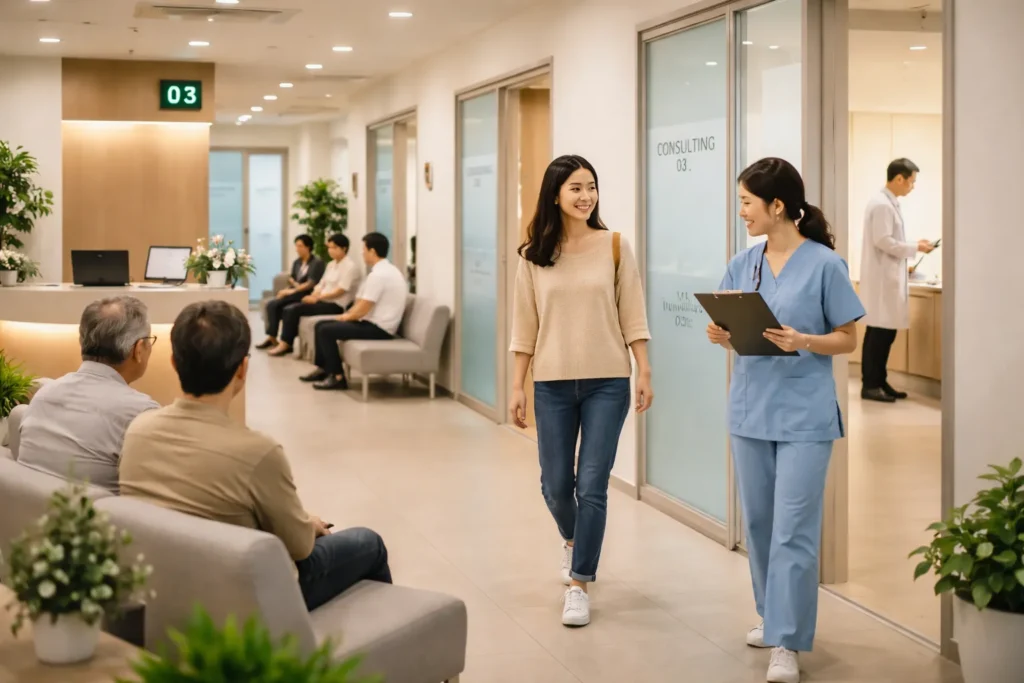
The efficiency of the korea clinic experience means you won’t face unnecessary delays.
Every step of the korea clinic experience is streamlined for patient convenience.
In many English-speaking countries, delays are baked into the system — referrals, insurance approvals, scheduling gaps. Korea runs differently.
Clinics are designed for high patient flow + digital-first systems, which means less waiting and more doing.
Here’s what that looks like in practice:
- Same-day or next-day specialist access is common
- Diagnostic results (bloodwork, imaging) often come back within hours to 1–2 days
- Treatment plans are explained immediately — not weeks later
According to healthcare industry reporting, Korea’s adoption of digital pathology and AI-supported diagnostics has significantly reduced turnaround time for results .
What this means for you:
You’re not stretching care across months — you’re compressing it into a single, efficient trip.
That’s the core of the korea clinic experience, making healthcare less of a hassle.
The cost-effectiveness of the korea clinic experience further enhances its appeal.
During your visit, the korea clinic experience will leave you feeling cared for.
The transparency of the korea clinic experience is refreshing for many patients.
Cost Reality: Korea vs. Back Home
The overall atmosphere of the korea clinic experience promotes trust and reliability.
The korea clinic experience highlights efficiency and patient-centered care that is unmatched in many regions.
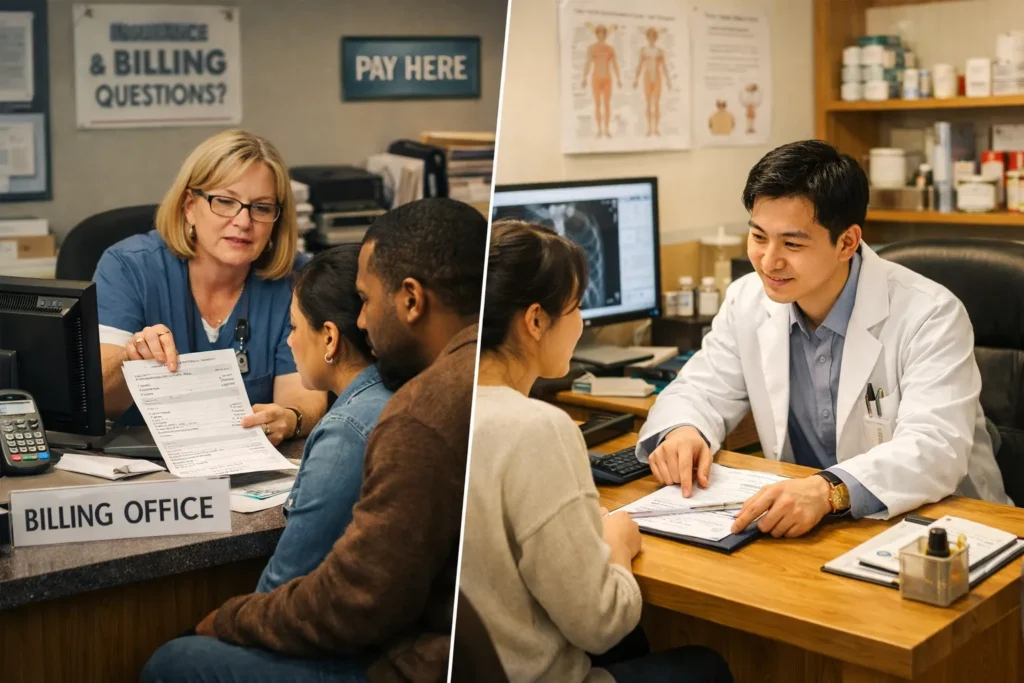
Let’s talk numbers — because this is usually the first question.
While prices vary by clinic and treatment, the pattern is consistent:
- Comprehensive health checkup
- Korea: ~$500–$1,800
- U.S.: $3,000–$5,000+
- Dermatology treatments (laser, acne care)
- Korea: ~$50–$400/session
- U.S./Canada: $300–$800+
- Specialist consultation
- Korea: ~$30–$80
- U.S.: $150–$400+
Even after factoring flights and hotels, many travelers still come out ahead — especially if combining multiple treatments.
For visitors from the UK, Australia, or Canada, the gap may be smaller than the U.S., but wait times are often the bigger driver.
Key insight:
Korea isn’t just cheaper — it’s faster, and that time value compounds.
What the Actual Process Looks Like (No Guesswork)
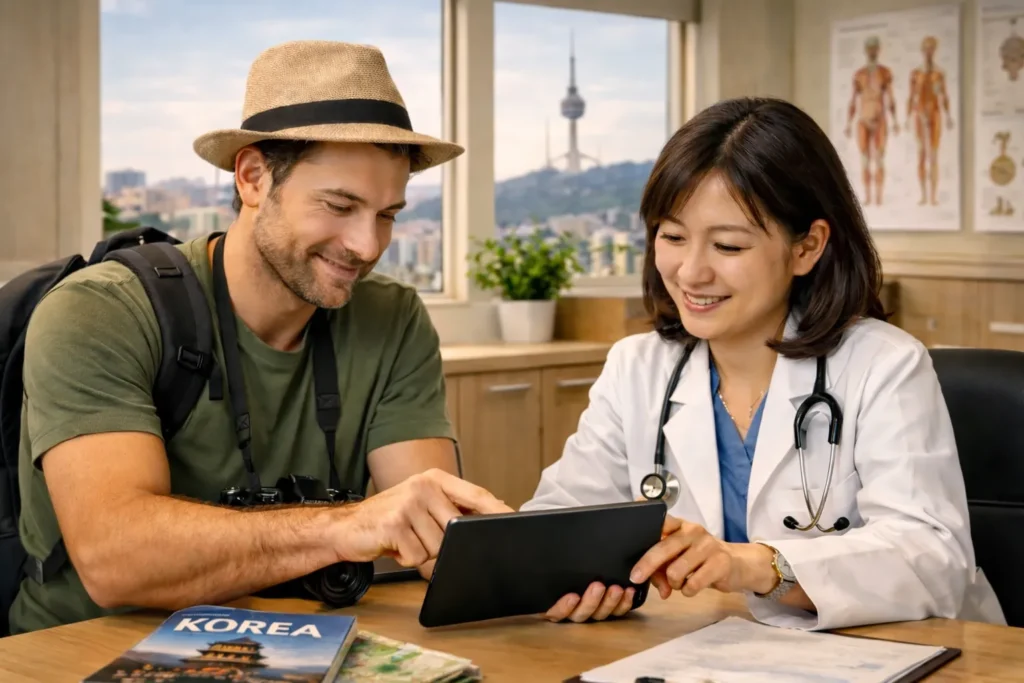
This is where most people feel uncertain — not the cost, but the “how.”
Here’s the real flow, simplified:
Step 1 — Pre-Consult (Before You Fly)
You share basic concerns, photos, or medical history.
Clinics or coordinators recommend options and timelines.
👉 If you’re unsure what’s typically included, check this guide on [what a Korean health screening includes](INTERNAL_LINK: Korea health checkup guide).
Step 2 — Booking & Deposit
You lock in appointments (often 1–2 weeks ahead).
A small deposit secures your schedule.
Step 3 — Arrival + Consultation
Day 1 or 2 in Seoul:
- In-person consultation
- Diagnostics (bloodwork, imaging, skin analysis, etc.)
- Immediate explanation of results
Step 4 — Treatment (Same Trip)
Depending on the service:
- Dermatology: same-day or next-day
- Health checkups: completed within a day
- Minor procedures: scheduled within days
Step 5 — Follow-Up (Before + After You Leave)
- In-person follow-up if needed
- Remote check-ins after you return home
🧠 On the Ground: What No One Tells You
You’ll probably be surprised by how casual but efficient everything feels.
Clinics aren’t intimidating — they’re closer to a hybrid of medical center + wellness space.Also: things move fast. If you’re used to “waiting weeks to think about it,” Korea flips that. You might go from consultation → decision → treatment in 24–48 hours.
It’s great — but come prepared to decide quickly.
Safety, Trust, and “Is This Actually Legit?”

Short answer: yes — but you still need to choose carefully.
Here’s what builds trust in Korea’s system:
1. International Accreditation
Many leading hospitals and clinics in Korea are accredited under the Korean Healthcare Accreditation Program and officially registered as Foreign Patient Attraction Medical Institutions, meeting strict government standards for quality, safety, and international patient care.
2. High Patient Volume = Experience
Seoul clinics often see significantly higher patient volumes than Western counterparts, especially in dermatology and health screening.
More volume = more refined processes.
3. Transparent Pricing
Unlike surprise billing in some countries:
- Prices are usually explained upfront
- Itemized billing is common
- You approve treatments before proceeding
4. Technology Integration
AI diagnostics, digital records, and fast lab systems reduce human error and delays.
Bottom line:
It’s not “medical tourism roulette.” It’s a structured system — but your experience depends on choosing the right clinic.
Language, Logistics, and Getting Around (Easier Than You Think)
This is the second biggest concern — after cost.
Language Barrier
- Many clinics offer English-speaking staff or coordinators
- Translation support is widely available
- Tools like Google Translate help fill gaps
Getting Around Seoul
Seoul is one of the easiest cities to navigate:
- Subway is clean, safe, and ~$1–$2 per ride
- Clinics are often clustered in areas like Gangnam
- You can navigate easily using Naver Map (better than Google Maps in Korea)
Safety
Korea consistently ranks among the lowest crime countries globally, which matters when you’re traveling alone for care.
Where You Stay
Options range from:
- Budget hotels ($60–$120/night)
- Mid-range ($120–$250)
- Serviced apartments for longer stays
Many are within walking distance of clinics.
Real Experience: Why People Actually Choose Korea
This isn’t just about saving money.
From real patient feedback and trends:
- “I got answers in 2 days instead of 2 months”
- “Everything was explained clearly — no guessing”
- “I combined treatment with a trip I already wanted to take”
And that’s the key shift:
👉 It’s not just medical travel — it’s upgrading your entire experience of care.
You’re not putting life on hold for healthcare.
You’re integrating it into something productive, efficient, and even enjoyable.
You Might Also Like
👉 [Korea health checkup guide] — What tests are included and how long it takes
👉 [Best areas to stay near Seoul clinics] — Where to book for convenience
👉 [Dermatology treatments in Korea explained] — What’s worth it and what’s not
Ready to Plan Without Guesswork?
If you’re considering care in Korea but unsure where to start:
- Compare 2–3 clinic options
- Get a realistic timeline (not just pricing)
- Understand what can be done in one trip
A structured plan makes all the difference — especially when things move this fast.
Start with a simple consultation, not a commitment.
That’s usually how the best decisions begin.
Ultimately, the korea clinic experience is about more than just medical care; it’s about a complete lifestyle integration.
Understanding the korea clinic experience will help you make informed decisions.
Experience vibrant Seoul while enjoying the korea clinic experience.
Prepare yourself for a fulfilling journey with the korea clinic experience.
In summary, the korea clinic experience is a model for modern healthcare.

Medical Tourism · Korea
Planning a visit to Korea?
- ✓ Trusted Korean clinics
- ✓ English consultation support
- ✓ Guidance for international patients