

Korean medicine clinics in Seoul are becoming a practical option for international visitors who want help with travel fatigue, neck and shoulder tension, back discomfort, stress headaches, posture issues, sleep disruption, or digestion-related concerns. Treatments may include acupuncture, cupping therapy, Korean herbal medicine, Chuna manual therapy, moxibustion, or pharmacopuncture depending on the doctor’s assessment.
But a Korean medicine clinic is not a spa service. It is a licensed medical visit in Korea, and treatment should be based on your symptoms, medical history, medications, allergies, and travel schedule.
Why Foreigners Try Korean Medicine Clinics in Seoul
Many English-speaking visitors do not search for Korean medicine because they fully understand the system. They search because they are tired, stiff, curious, in pain, or unsure where to go in Seoul.
A visitor may have walked around the city for several days. They may have slept badly after a long flight. They may have neck tension from carrying luggage, lower back discomfort from travel, or stress headaches from a packed itinerary.
In expat and travel communities, people often mention practical reasons for visiting Korean medicine clinics: back discomfort, neck and shoulder tension, post-flight stiffness, stress headaches, posture issues, and curiosity about acupuncture or cupping.
For many visitors, the question is not “Can I experience traditional Korean medicine?” It is closer to: “Is there a clinic in Seoul that can check my symptoms, explain my options, and help me feel comfortable before I keep traveling?”
On the Ground
The most realistic reason visitors book Korean medicine is not tradition alone. It is usually pain, fatigue, stiffness, or curiosity — plus the hope that the visit will be clear, affordable, and easy enough to fit into a Seoul itinerary.
What Makes Korean Medicine Clinics Different?
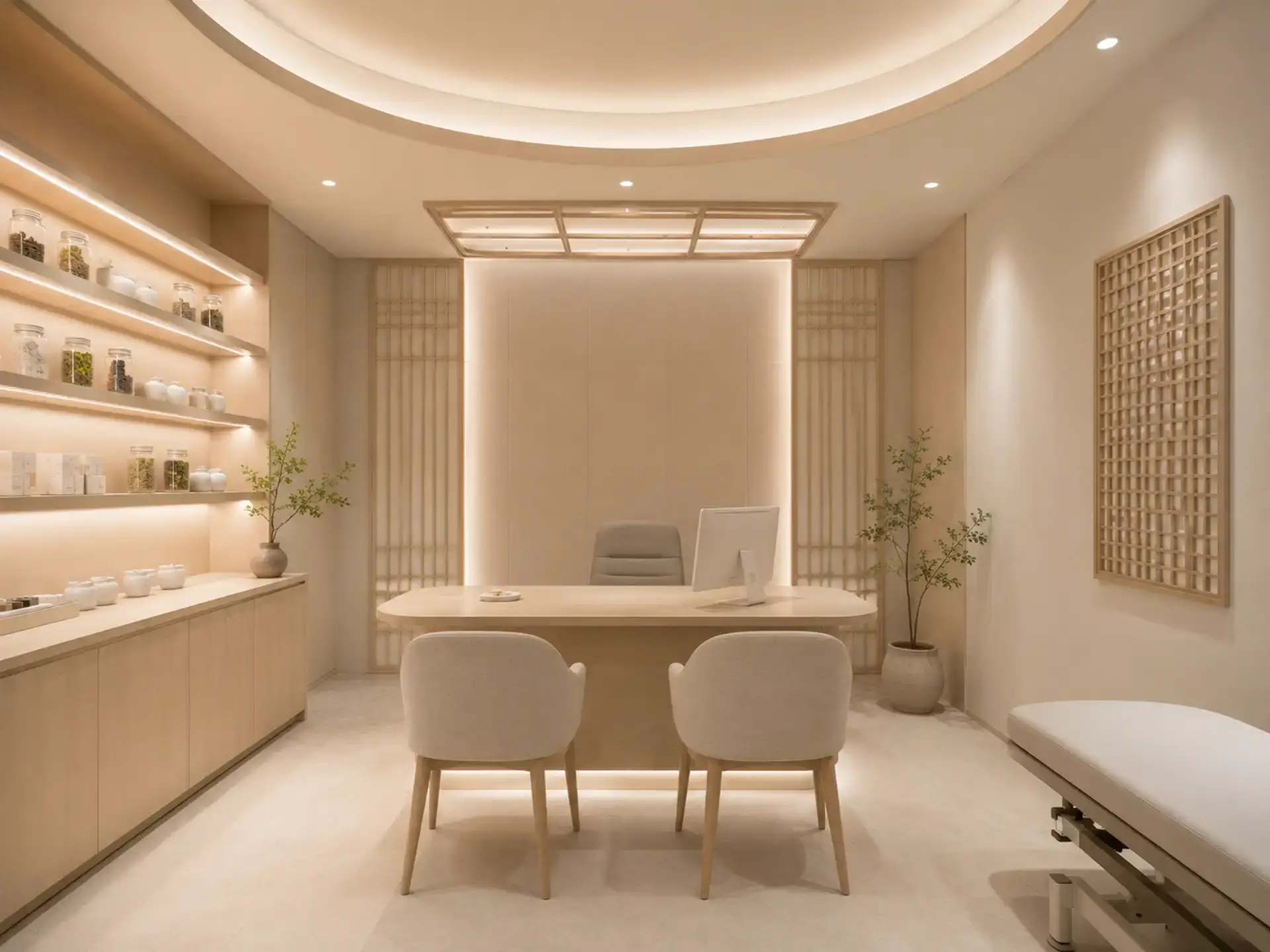
Korean medicine clinics are part of Korea’s healthcare system. Licensed Korean medicine doctors may use several treatment methods, including acupuncture, moxibustion, cupping, Korean herbal medicine, Chuna manual therapy, pharmacopuncture, and constitution-based consultation.
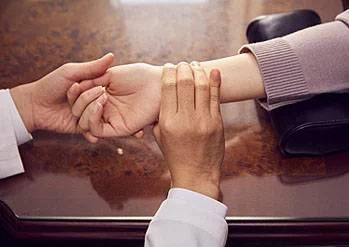
Traditional Korean Medical Tours- VISITKOREA
Experience traditional Korean medicine practice to find the balance between your body and mind with this list of foreigner-friendly hanbang clinics.
english.visitkorea.or.kr
What feels different in Korea is not just one treatment. It is the way acupuncture, cupping, Chuna, herbal medicine, and aftercare guidance may be discussed together after a medical consultation.
That does not mean every visitor should receive every treatment. A responsible clinic should explain what may be appropriate, what may not be appropriate, and when another type of medical care would be better.
For short-term visitors, Korean medicine is usually most practical for non-emergency concerns such as muscle tension, travel fatigue, posture-related discomfort, mild digestive issues, stress, or sleep disruption.
Urgent symptoms should be handled through emergency or conventional medical services first.
Acupuncture and Cupping: What Visitors Ask Most
Acupuncture and cupping are often the first Korean medicine treatments that international visitors recognize.
Acupuncture uses thin needles placed at selected points. In Seoul clinics, it may be discussed for neck tension, shoulder tightness, back discomfort, jaw tension, stress headaches, or other symptoms after the doctor reviews your case.
Some people feel a dull ache, warmth, heaviness, or mild tingling. Others feel very little. Mild soreness, small bruises, temporary fatigue, or lightheadedness can happen.
Acupuncture should not be described as an instant cure. Research and clinical use vary by condition, and results differ from person to person. For visitors, the most realistic goal is short-term symptom support, better understanding of the issue, and clear aftercare.
Cupping therapy in Korea often attracts attention because it looks different from typical clinic care back home. Cups are placed on the skin to create suction, usually around areas of muscle tightness.
The most important thing to know is that cupping marks are common. These circular marks may last several days and can look darker than expected.
This matters if you have photos, swimming, sauna, dermatology, cosmetic treatments, or formal events planned soon after your visit.
Cupping should not be framed as detox, guaranteed pain relief, or a cure. A better way to understand it is as one possible supportive treatment within a Korean medicine consultation.
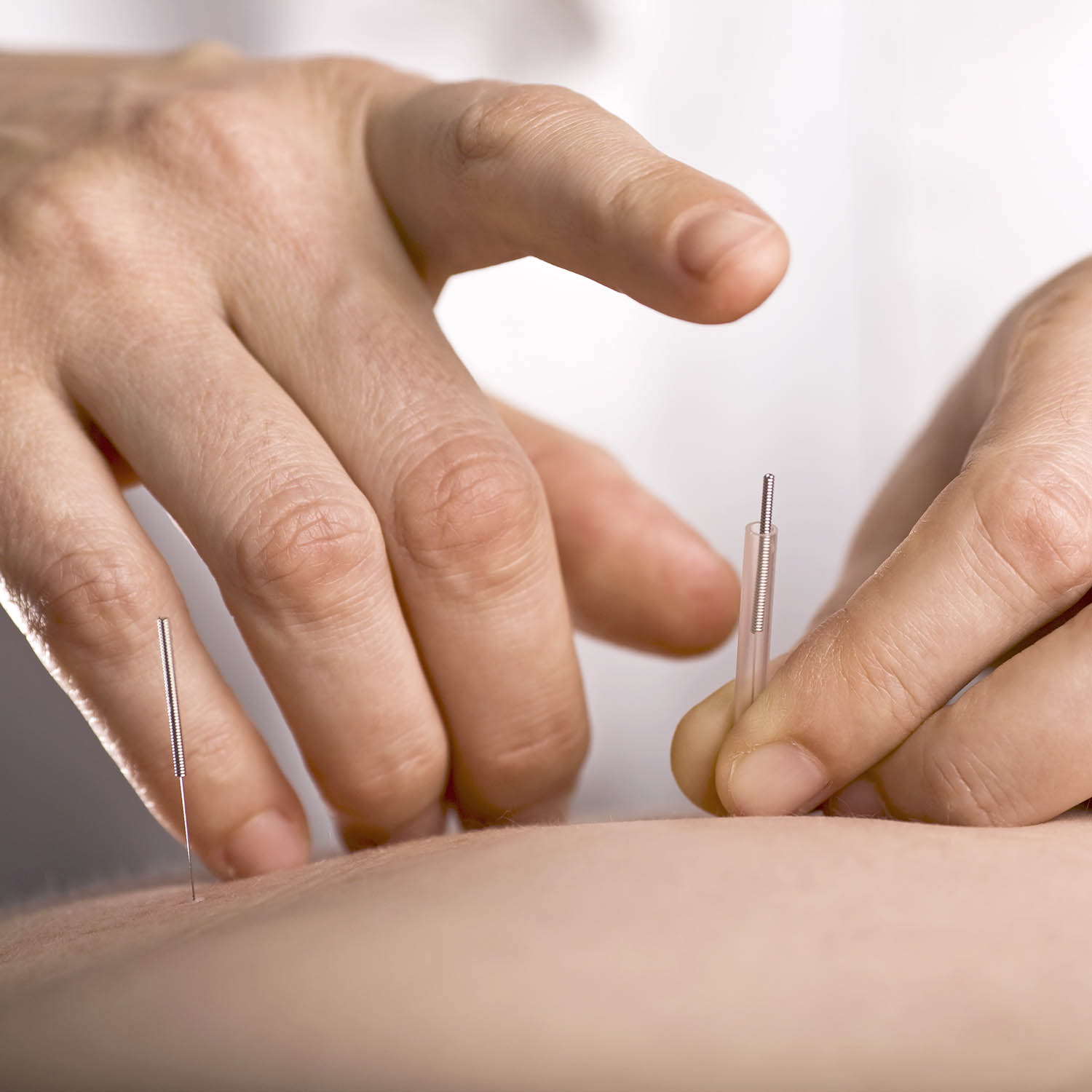
Acupuncture: Effectiveness and Safety
Information about acupuncture, including its safety and effectiveness in treating pain and other conditions.
nccih.nih.gov
Korean Herbal Medicine: Helpful, But Not a Souvenir
Korean herbal medicine is one of the most distinctive parts of Korean medicine. It may come as decoctions, pills, powders, capsules, or extracts.
For visitors, pills or capsules may be more convenient than liquid decoctions because they are easier to carry during travel. But herbal care still requires medical review.
“Natural” does not automatically mean safe for everyone.
Before taking Korean herbal medicine, tell the doctor about prescription medications, over-the-counter medications, supplements, allergies, pregnancy or breastfeeding status, chronic conditions, and upcoming surgery or cosmetic procedures.
This is especially important if you take medication for blood pressure, blood thinning, diabetes, mood, sleep, hormones, or chronic disease.
Many visitors also wonder whether Korean herbal medicine is worth it. The answer depends on your reason for visiting, your health history, the length of your stay, and whether the clinic explains the recommendation clearly.
A short trip may not be the best time to start a long herbal medicine course unless the doctor has reviewed your medications, allergies, and travel plans carefully.
Before accepting herbal medicine, ask:
Is herbal medicine necessary for my concern?
Is there a shorter option for travelers?
Could it interact with my medications or supplements?
Can I take it through customs when I go back home?
What side effects should I watch for?
Can I receive instructions in English?
What is the total cost before I decide?
Herbal medicine may be useful in some Korean medicine plans, but it should never feel like a high-pressure add-on.

Research on ways to attract foreign patients to a Korean medicine clinic: a retrospective 2024 case study from Seoul
This study aimed to analyze the clinical characteristics and treatment patterns of foreign patients visiting a single Korean medicine clinic to identify strategies for improving TKM-based medical tourism in South Korea. This study retrospectively ...
pmc.ncbi.nlm.nih.gov
Chuna Manual Therapy and Posture Care
Chuna manual therapy is a Korean medicine approach that may be used for posture, neck, back, or musculoskeletal concerns.
International visitors sometimes compare it to chiropractic or osteopathic care, but it is not the same system. In Korea, Chuna is performed by licensed Korean medicine doctors.
This may interest visitors who feel that travel, desk work, long flights, or poor sleep has affected their posture.
However, Chuna is not suitable for everyone. Tell the doctor if you have osteoporosis, fracture history, disc problems, nerve symptoms, recent surgery, cancer history involving bone, severe unexplained pain, or pregnancy.
A good clinic should explain whether Chuna is appropriate, whether imaging or another specialist is needed first, and what can realistically be done in one visit.
Moxibustion and pharmacopuncture may also be discussed in some clinics. Moxibustion uses heat near selected points. Pharmacopuncture is more specialized and may involve injection-based care, so visitors should ask detailed safety questions before agreeing to it.
First-time visitors do not need to try every Korean medicine treatment in one appointment. The goal should be safe, appropriate care.
Before You Book: Safety, Cost, and English Support Checklist
Choosing the right Korean medicine clinic in Seoul is not only about popularity. For international visitors, communication and safety matter as much as treatment style.
Before booking, check whether the clinic can provide:
A licensed Korean medicine doctor
Experience with international visitors
English-speaking support or coordinator assistance
Clear pricing before treatment
Medication and allergy review
English aftercare instructions
Realistic guidance for short-term visitors
Referral to another provider when Korean medicine is not appropriate
You should also prepare a short medical history before your visit.
Include your main symptom, when it started, pain level, recent injuries, current medications, allergies, pregnancy status, past surgeries, cosmetic procedures, chronic conditions, upcoming flights, and major activities planned after the appointment.
Prices vary by clinic, treatment type, visit length, and whether herbal medicine is prescribed. Some clinics may charge separately for consultation, acupuncture, cupping, Chuna, pharmacopuncture, or herbal medicine.
Because pricing changes and treatment depends on the doctor’s assessment, request a direct quote before booking.
Avoid clinics that push a large package before explaining whether the treatment fits your case.
What Is a Hanuiwon or Haniwon?
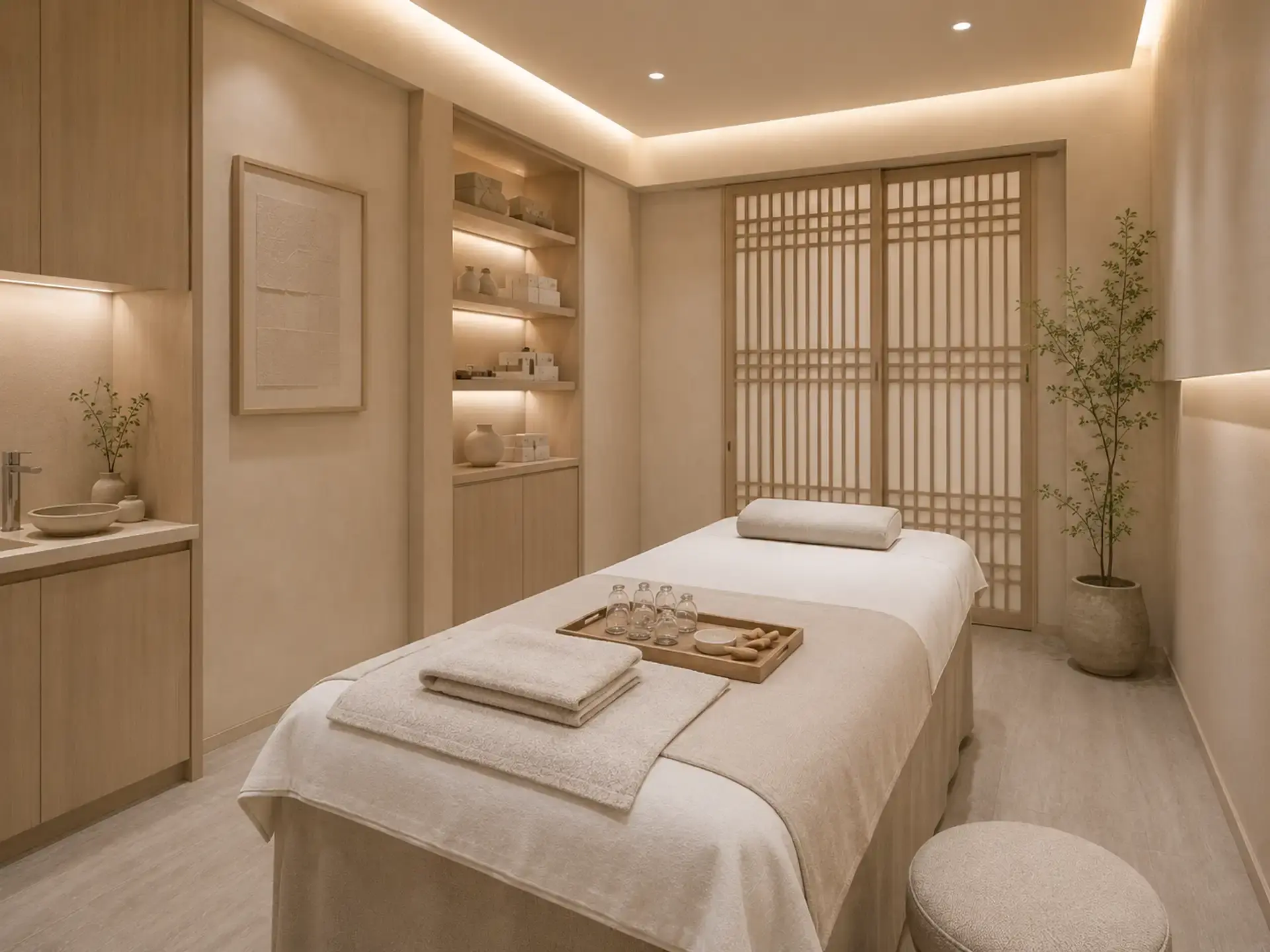
In casual online discussions, you may see people write hanuiwon, haniwon, or Korean traditional medicine clinic. These usually refer to a Korean medicine clinic.
The clearer English term is Korean medicine clinic.
In Korea, these clinics are run by licensed Korean medicine doctors. They are different from massage shops, spas, or general wellness centers.
If you are unsure whether a place is a medical clinic, check whether it is operated by licensed providers and whether the clinic can explain its treatment scope, pricing, and aftercare clearly.
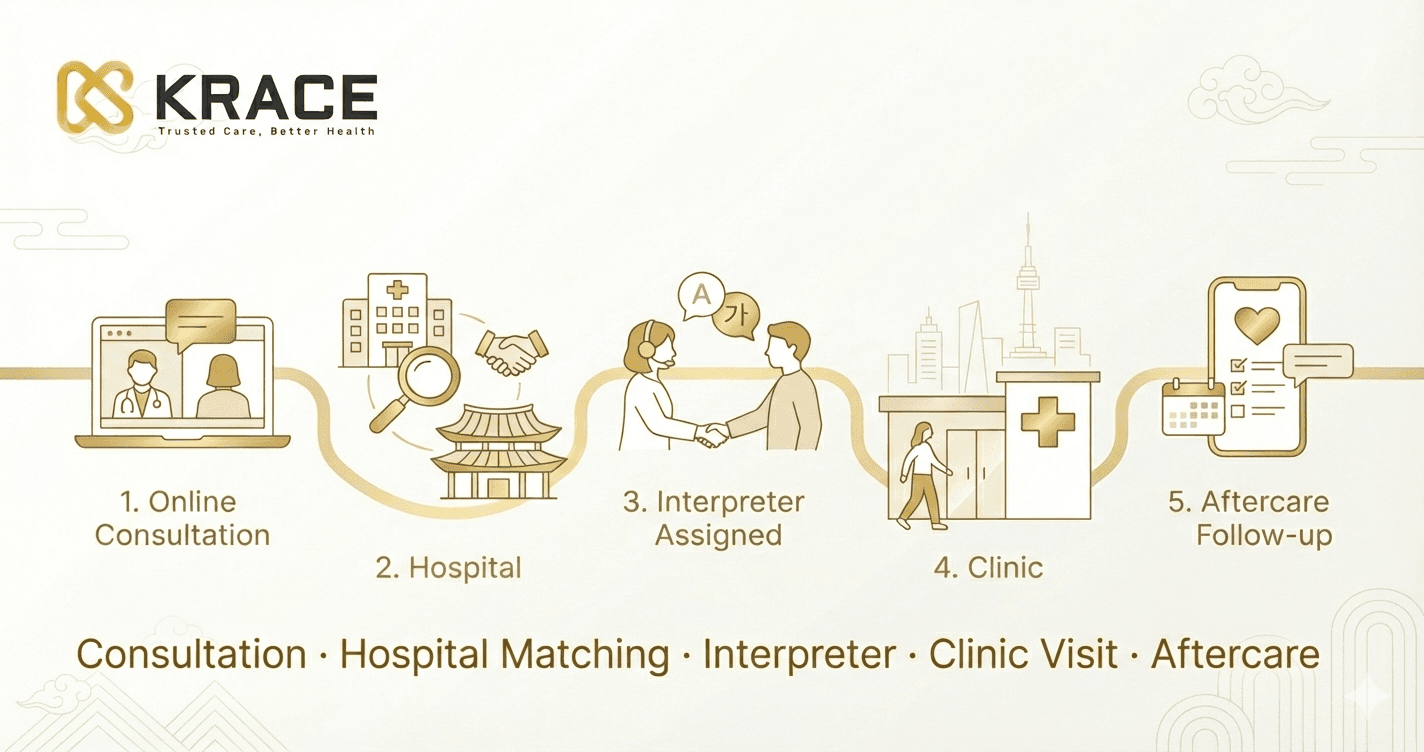
How KRACE Can Help
KRACE does not provide medical care, diagnosis, or treatment. Medical services are provided by independent licensed clinics in Korea.
KRACE helps with coordination.
For Korean medicine visits, KRACE can help you:
Find an English-supported Korean medicine clinic in Seoul
Explain your symptoms before the appointment
Prepare a medical history summary in English
Check whether acupuncture, cupping, herbal care, or Chuna may be discussed
Coordinate booking and timing
Clarify aftercare instructions
Understand when another specialty may be more appropriate
This is especially useful if you are visiting Korea for a short time and want to avoid confusion at the clinic.
Find an English-Supported Korean Medicine Clinic in Seoul →
Final Takeaway
Korean medicine clinics in Seoul can be a practical option for international visitors interested in acupuncture, cupping therapy, Korean herbal medicine, Chuna manual therapy, or travel fatigue support.
The safest approach is not to chase every treatment. Start with your symptom, your medical history, your travel schedule, and your communication needs.
A good Korean medicine visit should help you understand what may be appropriate, what is not appropriate, and what to do after you leave the clinic.
You Might Also Like

Korean Health Checkups: Why Travelers Are Booking Screenings in Seoul
Imagine booking a full medical checkup and getting the results the same day—not after weeks of waiting. For many travelers visiting Korea, that’s exactly what happens. Health screenings in Seoul combine fast diagnostics, transparent pricing, and English-friendly clinics. Compared with long wait times and high costs in many countries, a Korean health checkup often feels less like a medical ordeal and more like a well-organized part of your trip. Why More Travelers Are Choosing Korea for Preventiv
blog.kracecare.com

How to Choose the Right Korean Clinic: A Practical Guide
Imagine this: back home, you wait weeks—sometimes months—for a specialist appointment, only to spend 10 minutes in the consultation room. Now imagine landing in Seoul and getting a full consultation, diagnostics, and a treatment plan within 24–48 hours. That’s not an exception. It’s the norm in Korea. But here’s the reality most guides skip: while Korea is fast and affordable, choosing the right clinic as a foreigner can feel overwhelming. Different systems, unclear pricing, and language gaps ca
blog.kracecare.com

How to Book a Clinic in Korea as a Foreigner
Imagine this: back home, you wait two to six weeks just to see a doctor—longer for anything specialized. Now picture landing in Seoul and getting a consultation, diagnosis, and treatment plan within a single day. That’s not a travel hack. It’s how the Korean medical system works. But here’s the catch: while care is fast and accessible, figuring out how to actually book a clinic in Korea as a foreigner isn’t always straightforward. Different systems, language gaps, and unclear pricing can make it
blog.kracecare.com
Frequently Asked Questions
These questions cover what international visitors often ask before visiting a Korean medicine clinic in Seoul for acupuncture, cupping therapy, neck and back tension, Korean herbal medicine, costs, or English-supported care.