

If “glass skin” is on your Korea trip wishlist, laser treatments may be one of the first clinic options you research. Seoul has become known for fast, highly customized skin care, but the real question is not just where to go. It is what treatment fits your skin, how much it may cost, what recovery looks like, and how to avoid rushed or unclear consultations.
Why Laser Treatments in Korea Are So Popular
Laser treatments in Korea are popular because they fit the way many visitors already travel: short trips, packed schedules, and a desire for visible but natural-looking skin improvement. Seoul clinics often offer targeted options for pigmentation, redness, acne marks, texture, pores, and overall skin tone.
Korea’s medical travel market has moved from recovery to rapid growth. In 2025, the country welcomed about 2.01 million foreign patients from 201 countries, crossing the 2 million mark for the first time since official records began in 2009. That was up from 1.17 million in 2024, according to Korea’s Ministry of Health and Welfare. Seoul remains the center of that demand: the latest city-level data shows 999,642 international medical tourists in 2024, with Gangnam, Seocho, Mapo, Jung, and Songpa making up about 92% of foreign patient visits.
That does not mean every clinic is right for every visitor. Skin lasers can be helpful, but they are still medical procedures. The best results usually come from a proper consultation, realistic expectations, and a plan that matches your skin tone, sensitivity, travel dates, and recovery window.
On the Ground
For clinic visits in Seoul, Naver Map is often more reliable than Google Maps for building entrances, floors, and local walking directions. Many dermatology clinics are near subway stations in Gangnam, Sinsa, Apgujeong, Myeongdong, Hongdae, and central Seoul. Build in extra time for registration, consultation, numbing cream, and aftercare, not just the laser session itself.
What “Glass Skin” Actually Means
“Glass skin” usually describes skin that looks smooth, clear, hydrated, and light-reflective. It does not mean poreless or perfect skin. It also does not mean one laser session will erase every concern.
For international visitors, the most common goals are:
Reducing pigmentation or sun spots
Improving acne marks or uneven texture
Calming visible redness
Refining pores
Brightening dull skin tone
Creating a smoother makeup base
Some people only need gentle laser toning or a hydration-focused treatment plan. Others may need a series of sessions over several months. If you are visiting Korea for one week, your clinic should be honest about what can realistically be done during that timeframe.

Korean Skin Treatment Guide: What Foreign Visitors Should Know Before Booking in Korea
If you have ever looked at before-and-after photos from Seoul and wondered whether glass skin Korea is just marketing, here is the honest answer: the glow is usually not coming from a 10-step bathroom shelf alone. In Korea, skincare is often a mix of daily habits, clinic-based maintenance, and fast access to dermatology-led treatments that many visitors find easier to book, faster to receive, and more affordable than back home. Korea’s medical-wellness ecosystem has also scaled quickly: in 2024,
blog.kracecare.com
Common Laser Treatments in Korean Clinics
Korean skin clinics often use multiple laser types, and the names can feel confusing. The important point is not the brand name alone. It is what the laser is treating, how aggressive the setting is, and who is operating or supervising the procedure.
Laser Toning and Pico Laser
Laser toning and pico laser treatments are often used for pigmentation, melasma-like discoloration, uneven tone, and general brightening. These are usually gentler than resurfacing lasers, although settings vary by clinic.
They may require several sessions. For a short-term visitor, one session may help with brightness, but deeper pigmentation usually needs a longer plan.
V-Beam or Vascular Lasers
Vascular lasers are commonly used for redness, visible blood vessels, and post-acne redness. Allure’s 2026 Seoul beauty treatment guide described V-Beam and Genesis-style laser treatments as part of the city’s popular skin-brightening and redness-care scene, with some sessions priced around ₩100,000–₩300,000 in the reported examples.
These treatments may cause temporary redness or bruising. If you are taking photos, attending events, or flying the next day, ask about downtime before booking.
Fractional CO2 and Fraxel-Style Lasers
Fractional resurfacing lasers are usually stronger. They may be used for acne scars, texture, enlarged pores, fine lines, or deeper skin remodeling.
The tradeoff is recovery. Redness, dryness, peeling, rough texture, or temporary darkening can happen. The uploaded draft correctly notes that recovery can range from a few days to several weeks depending on intensity and skin type.
Laser Stacking
“Laser stacking” means combining more than one laser or energy-based treatment in one visit. It can be useful when someone has several concerns, such as redness plus pigmentation plus texture.
But stacking is not automatically better. More devices can mean more irritation, cost, and recovery. It should be personalized, not pushed as a package just because you are visiting from abroad.
How Much Do Laser Treatments in Korea Cost?
Direct answer: For international visitors, basic laser toning in Seoul may start around $60–$200 per session, while more intensive fractional or Fraxel-style treatments commonly range from about $250–$800+ per session depending on device, area, clinic tier, and aftercare.
Prices vary widely by clinic and package. Always request a written quote before paying.
Tier | Typical Treatment Type | Approx. Korea Price | Best For | Notes |
|---|---|---|---|---|
Budget | Laser toning, basic pigmentation session | $60–$200 | Mild tone, dullness, light pigmentation | Often quick, but may need repeat sessions |
Mid-range | Pico, Genesis-style, vascular laser, combination brightening | $150–$400 | Redness, pores, pigmentation, texture | Good fit for first-time visitors if downtime is limited |
Premium | Fraxel, fractional CO2, deeper resurfacing, stacked plans | $400–$800+ | Acne scars, texture, stronger remodeling | More downtime; written recovery plan is important |
Publicly available clinic and medical travel cost references show similar variation. Seoul skin clinic pricing guides list laser toning around ₩80,000–₩250,000, fractional resurfacing around ₩200,000–₩600,000, and skin-tightening lasers around ₩150,000–₩400,000 per session. Another Seoul clinic source lists Fraxel Dual at about ₩250,000–₩600,000 per session, with multi-session packages priced higher.
Korea vs. Back Home: Cost Comparison
Direct answer: Korea can be less expensive than many clinics back home, especially for laser toning and multi-session skin programs, but the savings depend on device, clinic tier, exchange rate, and whether aftercare is included.
Treatment Type | Korea Approx. | Back Home Approx. | What to Check |
|---|---|---|---|
Pico / laser toning | $60–$250 | $300–$800+ | Is it full face? Is consultation included? |
Vascular laser | $75–$250 | $300–$700+ | Ask about bruising and repeat sessions |
Fractional CO2 | $300–$800 | $1,000–$3,500+ | Downtime and pigmentation risk matter |
Fraxel-style laser | $300–$700+ | $1,000–$2,500+ | Device type and treatment depth vary |
Some global medical travel platforms report acne laser sessions in Korea around $200–$500 and Fraxel-style procedures around $100–$300, but these lower ranges may not reflect premium Seoul clinics, full-face treatment, or international-patient packages. For KRACE content, a safer editorial range is to present budget, mid-range, and premium tiers rather than one “average” price.
What Happens Before, During, and After Treatment

A good clinic visit should feel structured, not rushed.
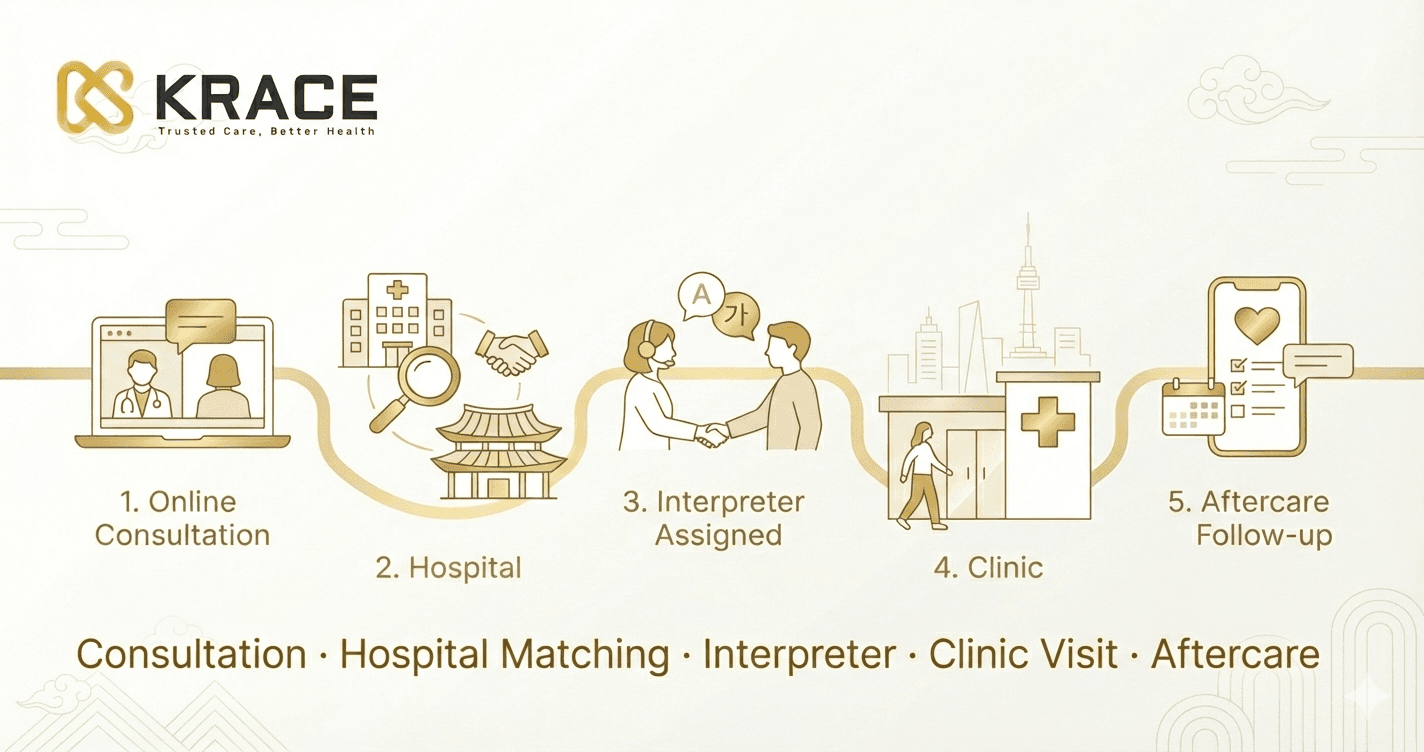
Step 1: Skin Consultation
The clinic should ask about your skin history, allergies, medications, pregnancy status, recent sun exposure, past laser reactions, and whether you form pigmentation easily. If you have darker skin tone, melasma, active acne, eczema, or a history of keloids, say this clearly.
KRACE does not diagnose or provide medical care. Independent licensed providers decide whether a treatment is appropriate.
Step 2: Treatment Plan and Quote
Before treatment, ask for:
Laser name and purpose
Number of recommended sessions
Expected downtime
Side effects
Aftercare instructions
Total price
What happens if irritation occurs
Do not rely only on package names like “glass skin laser.” Ask what is actually included.
Step 3: Preparation
Many clinics apply numbing cream for 20–40 minutes, depending on treatment intensity. Some gentler lasers may not require numbing.
You may be asked to remove makeup, avoid retinoids, avoid tanning, or pause certain active skincare ingredients before the procedure.
Step 4: Laser Session
The laser session itself may take 10–45 minutes. You may feel warmth, snapping, tingling, or mild stinging. Stronger resurfacing treatments can feel more intense.
If pain feels unusual, tell the clinic immediately. Do not try to “tough it out” because settings can sometimes be adjusted.
Step 5: Cooling and Aftercare
Most clinics provide cooling, soothing masks, or recovery cream. You should receive instructions about sunscreen, cleansing, makeup, exercise, sauna, alcohol, retinoids, exfoliation, and follow-up.
For more planning help, see KRACE’s guide on:

How to Book a Clinic in Korea as a Foreigner
Imagine this: back home, you wait two to six weeks just to see a doctor—longer for anything specialized. Now picture landing in Seoul and getting a consultation, diagnosis, and treatment plan within a single day. That’s not a travel hack. It’s how the Korean medical system works. But here’s the catch: while care is fast and accessible, figuring out how to actually book a clinic in Korea as a foreigner isn’t always straightforward. Different systems, language gaps, and unclear pricing can make it
blog.kracecare.com
Realistic Recovery Timeline
Recovery depends on the laser type and your skin.
Timeframe | What May Happen | Practical Tip |
|---|---|---|
Same day | Redness, warmth, tightness | Keep schedule light after treatment |
Day 1–3 | Redness, swelling, sensitivity | Avoid heavy makeup, sauna, intense workouts |
Day 3–7 | Dryness, peeling, rough texture | Do not scrub or pick skin |
Week 2–6 | Gradual brightening or texture improvement | Use sunscreen consistently |
1–3 months | Results build after repeated sessions | Ask if follow-up is needed |
The biggest mistake visitors make is scheduling stronger lasers too close to major events or flights. If your Korea trip includes wedding photos, business meetings, content shoots, or outdoor travel, choose your treatment date carefully.
Safety: How to Choose a Clinic in Korea
Laser treatments are common, but they still carry risks: burns, pigmentation changes, prolonged redness, acne flares, scarring, infection, or poor results.
Look for clinics that explain risks clearly. Be cautious if a clinic promises instant glass skin, pressures you into a same-day package, refuses to provide pricing, or cannot explain who will perform the treatment.
Korea has official systems around international patient attraction. Under Korean law, registered medical institutions and agencies must follow rules related to international patient attraction, including registration and patient-rights information obligations. KOIHA also operates Korea’s healthcare accreditation system to support quality and patient safety.
For travel preparation, check the CDC’s South Korea traveler health page before departure, especially if you have medical conditions, are pregnant, are immunocompromised, or plan outdoor travel beyond Seoul.
Best Seoul Areas for Skin Clinics

You do not have to choose Gangnam only, although Gangnam is one of the most famous districts for dermatology and aesthetic clinics.
Common clinic areas include:
Gangnam / Seocho: large clinic concentration, many aesthetic options
Apgujeong / Cheongdam: premium beauty and dermatology clinics
Sinsa: accessible, popular for skin and beauty treatments
Myeongdong: convenient for travelers and shopping routes
Hongdae / Mapo: easier access for younger travelers and west Seoul stays
Central Seoul: practical for visitors staying near Jongno, City Hall, or Dongdaemun
Choose location based on your hotel, treatment intensity, and follow-up needs. After a stronger laser, a short taxi ride may be better than a long subway transfer.
Questions to Ask Before Booking
Use this checklist before you confirm:
What laser will be used, and why is it right for my skin?
Who performs the treatment?
Is a doctor consultation included?
What side effects are common for my skin type?
How many days of redness or peeling should I expect?
Can I fly after treatment?
Can I wear makeup the next day?
What is the full price in writing?
Is aftercare included?
What should I do if I have irritation after leaving Korea?
For related treatment planning, KRACE’s K-beauty treatment Korea guide can help you compare lasers with facials, injectables, and non-surgical skin options.

K-beauty Treatment Korea: What Actually Works 2026 Guide for Foreigners
So what’s actually behind that “glass skin” look—and how do you access it without getting overwhelmed? Why K-beauty Treatments in Korea Feel Different Korean skincare isn’t just about products—it’s a system. And that system starts in clinics, not stores. Unlike many countries where dermatology is treated as a medical necessity only, Korean dermatology blends medical care with beauty optimization. That means you don’t wait months for treatment—you walk in, get assessed, and often start treatment
blog.kracecare.com
How KRACE Helps

KRACE helps international visitors compare clinic options, understand the booking process, communicate preferences, and prepare for follow-up questions. KRACE does not provide diagnosis, treatment, or medical guarantees. Medical services are provided by independent licensed healthcare providers.
For laser treatments, KRACE can help organize the questions that matter most: skin concern, travel dates, recovery window, language support, price transparency, and aftercare expectations.
Planning a Seoul skin clinic visit should feel exciting, not confusing. The goal is not to chase the most aggressive treatment. The goal is to choose a clinic and plan that fits your skin, your schedule, and your comfort level.
Frequently Asked Questions
These answers cover common questions about laser treatments in Korea, including cost, recovery, safety, and planning a Seoul clinic visit.