

Most people plan a trip around food, culture, and places to explore.
But what if your trip could also take care of something you’ve been putting off—without slowing you down?
That’s exactly why Seoul is showing up on global “best cities” lists in 2026. Not just because it’s exciting—but because it’s one of the few places where daily life, infrastructure, and even healthcare feel seamlessly connected.
And once you experience how the city works, you start to see why more travelers are quietly adding medical care into their trip—not as the main reason, but as a smart upgrade.
Seoul in 2026: More Than a “Trending” City
Seoul isn’t new. But the way people experience it is changing.
According to Time Out’s global ranking of the best cities for 2026, Seoul stands out for its balance of:
Culture and modern infrastructure
Safety and accessibility
Everyday livability
What that means in real terms:
You can land in Seoul and, within a single day, navigate the city, find great food, book appointments, and settle into a routine—without friction.
That’s rare.
A City That Moves Fast—Without Feeling Chaotic
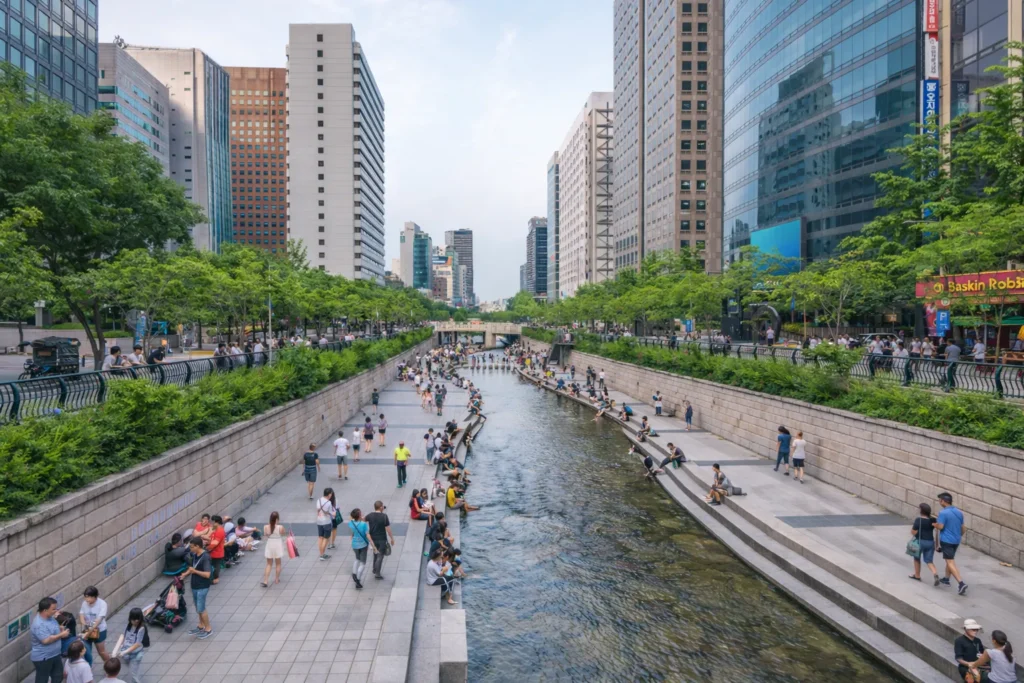
Seoul is one of the most efficient cities you’ll visit—but it doesn’t feel overwhelming.
Public transit is:
Clean, punctual, and affordable
Fully integrated with apps and digital payments
Designed for both locals and visitors
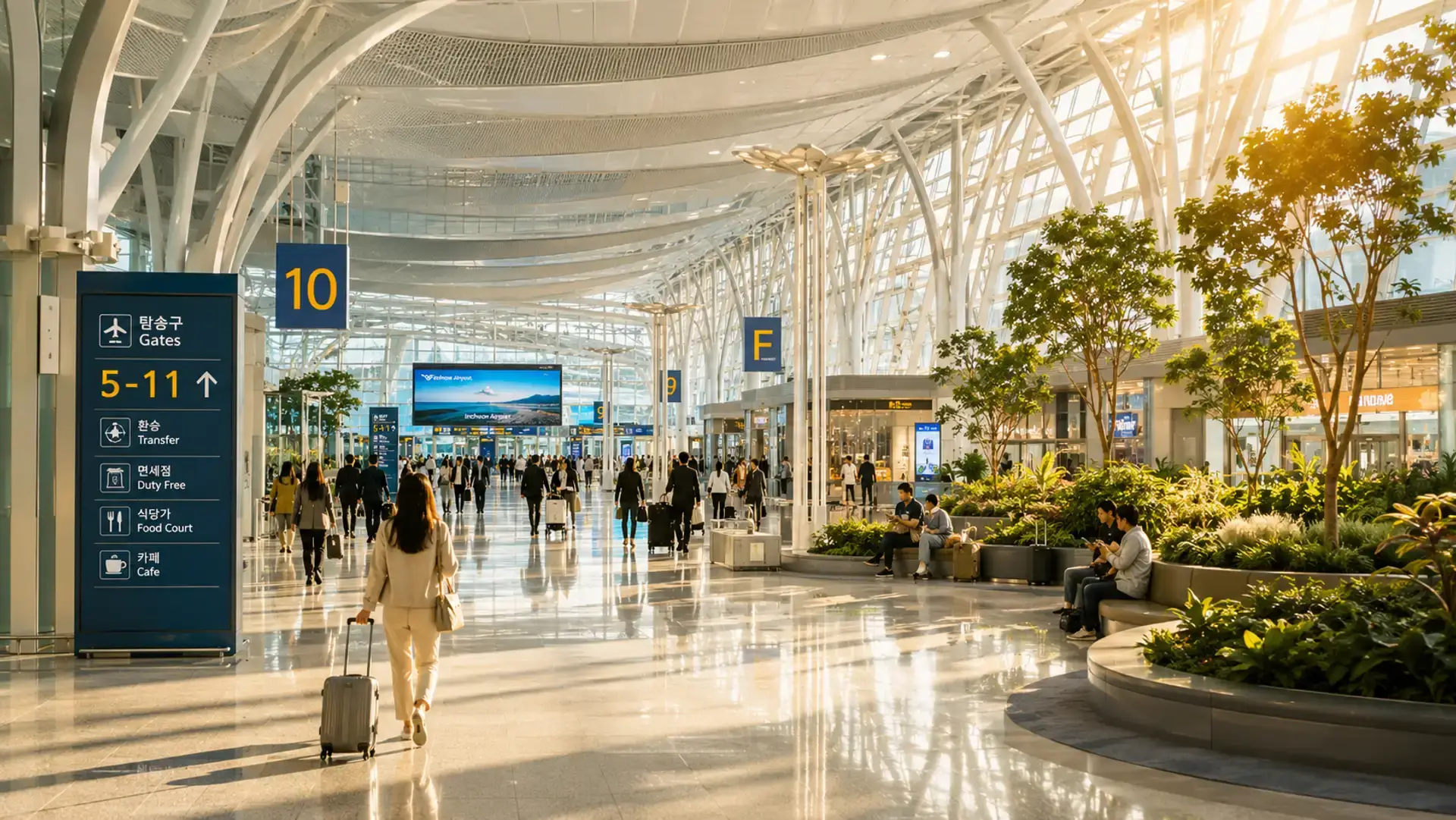
You can go from the airport to Gangnam, Hongdae, or Jamsil in under an hour—and once you’re there, everything is walkable.
This matters more than you expect.
Because when a city is easy to move through, your trip becomes more flexible—and less stressful.
Food Isn’t Just a Highlight—It’s Part of Daily Life
If you’ve looked into Seoul even briefly, you’ve probably seen the food.
But what stands out isn’t just quality—it’s accessibility.
From curated dining experiences to everyday meals, the city offers an unusually wide range of options. You can explore some of the best spots through guides like Time Out’s Seoul restaurant picks, but what matters is this:
Great food isn’t something you plan around—it’s something you naturally encounter.
And that changes how your day flows.
You’re not scheduling meals—you’re discovering them.
Traditional Markets: Where Seoul Feels Most Real
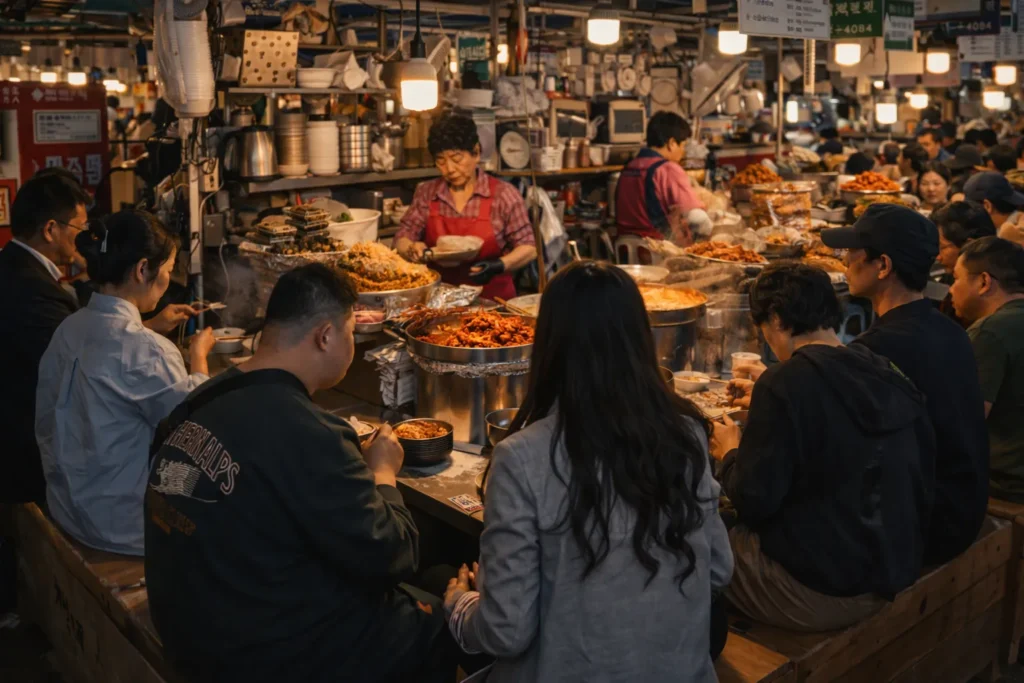
If you want to understand Seoul beyond the surface, go to a traditional market.
Places like Gwangjang Market or Mangwon Market aren’t just tourist spots—they’re part of everyday life.
You’ll find:
Fresh food prepared on the spot
Local snacks you won’t see elsewhere
A pace that feels slower and more human
If you want a starting point, this guide to traditional markets in Seoul is a good reference.
These spaces ground the city. They balance out the speed and modernity with something more personal.
Safety and Comfort: The Quiet Advantage
One of the reasons Seoul consistently ranks highly is something you don’t always notice at first—how safe and predictable it feels.
For many travelers:
Walking alone at night feels normal
Public spaces are clean and well-lit
Systems (transport, payments, navigation) just work
This is especially important for solo travelers and women, who often prioritize safety when choosing a destination.
Seoul doesn’t just meet that expectation—it exceeds it.
The Unexpected Part: How Easily You Can Take Care of Yourself
Here’s where things start to shift.
Because once you’re in Seoul, you realize something:
Everything is designed to be efficient—including healthcare.
Clinics are:
Easy to access (often in central districts)
Structured for fast consultations and treatments
Transparent in pricing compared to many home systems
So instead of thinking,
“I need to book a separate medical trip,”
you start thinking,
“Why not take care of this while I’m here?”
What That Looks Like in Practice
Let’s say you’ve been considering:
A skin treatment
A health checkup
A minor procedure
Back home, that might mean:
Weeks of waiting
Multiple appointments
Unclear pricing
In Seoul, it often looks like:
Consultation within 1–2 days
Diagnostics and treatment in the same visit
Clear, upfront costs

Korean Skin Treatment Guide: What Foreign Visitors Should Know Before Booking in Korea
If you have ever looked at before-and-after photos from Seoul and wondered whether glass skin Korea is just marketing, here is the honest answer: the glow is usually not coming from a 10-step bathroom shelf alone. In Korea, skincare is often a mix of daily habits, clinic-based maintenance, and fast access to dermatology-led treatments that many visitors find easier to book, faster to receive, and more affordable than back home. Korea’s medical-wellness ecosystem has also scaled quickly: in 2024,
blog.kracecare.com
“On the Ground” — What Surprises Most Travelers
You don’t feel like you’re doing something complicated.
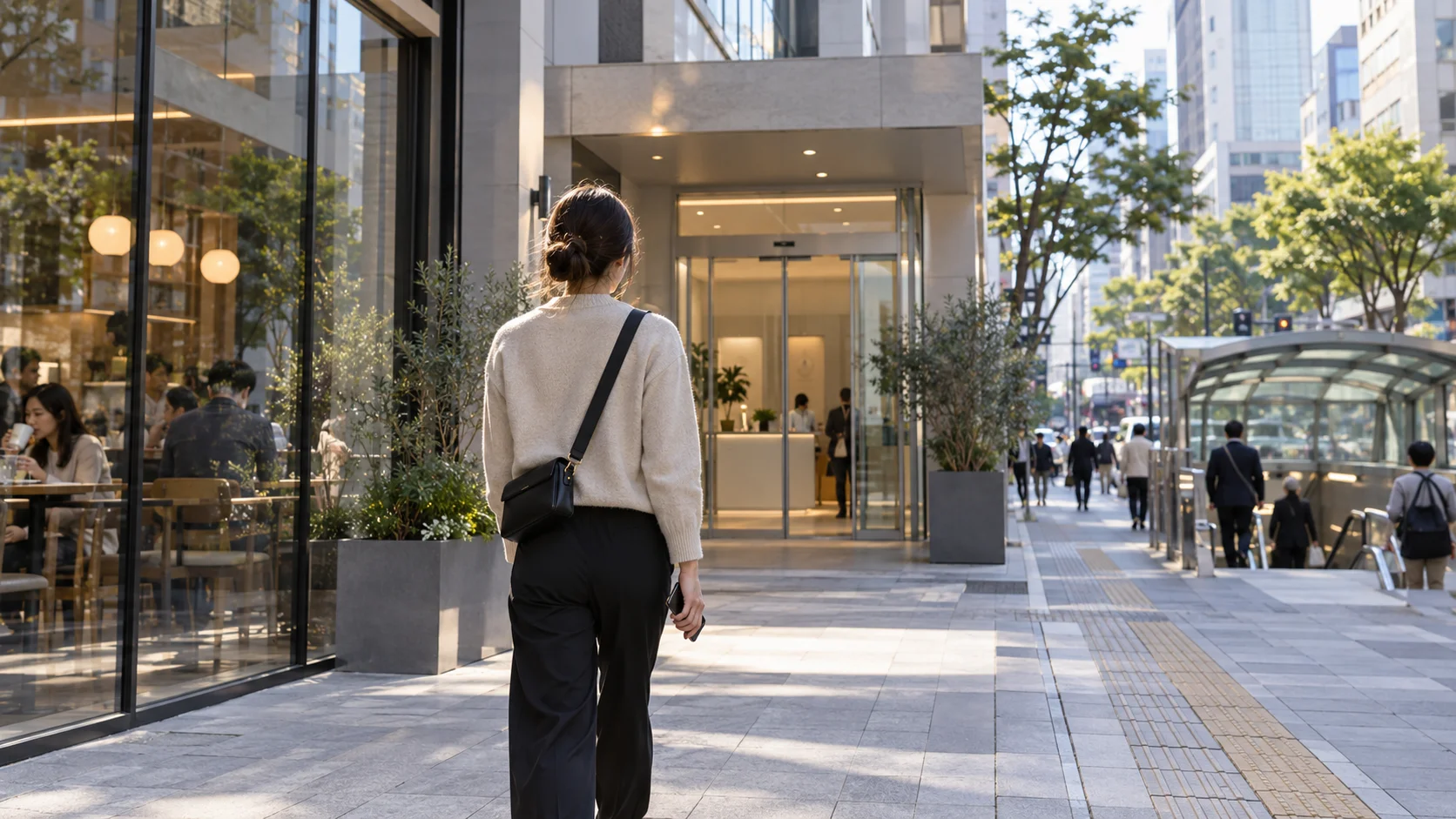
You walk into a clinic between coffee stops. You finish your appointment, then head back out into the city.
The biggest surprise isn’t the speed—it’s how normal it feels to fit care into your day.
Why This Works So Well in Seoul (Specifically)
It’s not just about healthcare quality.
It’s about how the city supports it.
1. Density
Clinics, cafes, pharmacies, and transit are all close together.
2. Infrastructure
Navigation, booking, and payments are digitized and streamlined.
3. Culture of Efficiency
Services are designed to minimize waiting and maximize clarity.
Put together, this creates something unique:
A place where taking care of your health doesn’t disrupt your travel—it fits into it.
A Smarter Way to Plan Your Trip
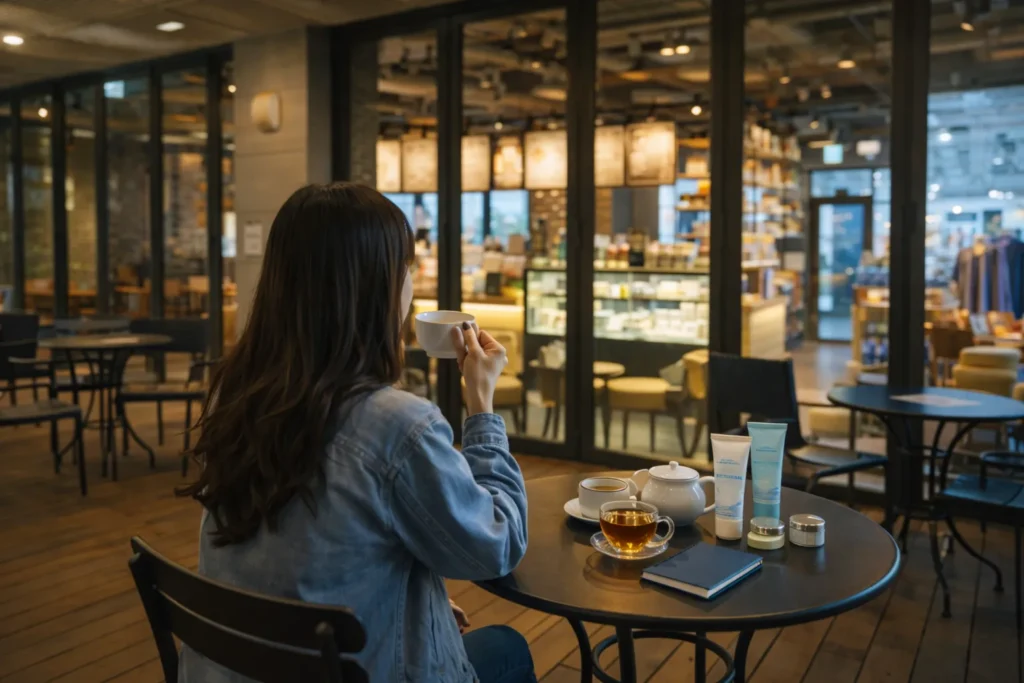
Instead of separating “travel” and “health,” more visitors are combining them.
A typical flow might look like:
Morning: clinic appointment
Afternoon: rest or café
Evening: light exploration
No rush. No pressure.
Just a more efficient way to use your time.
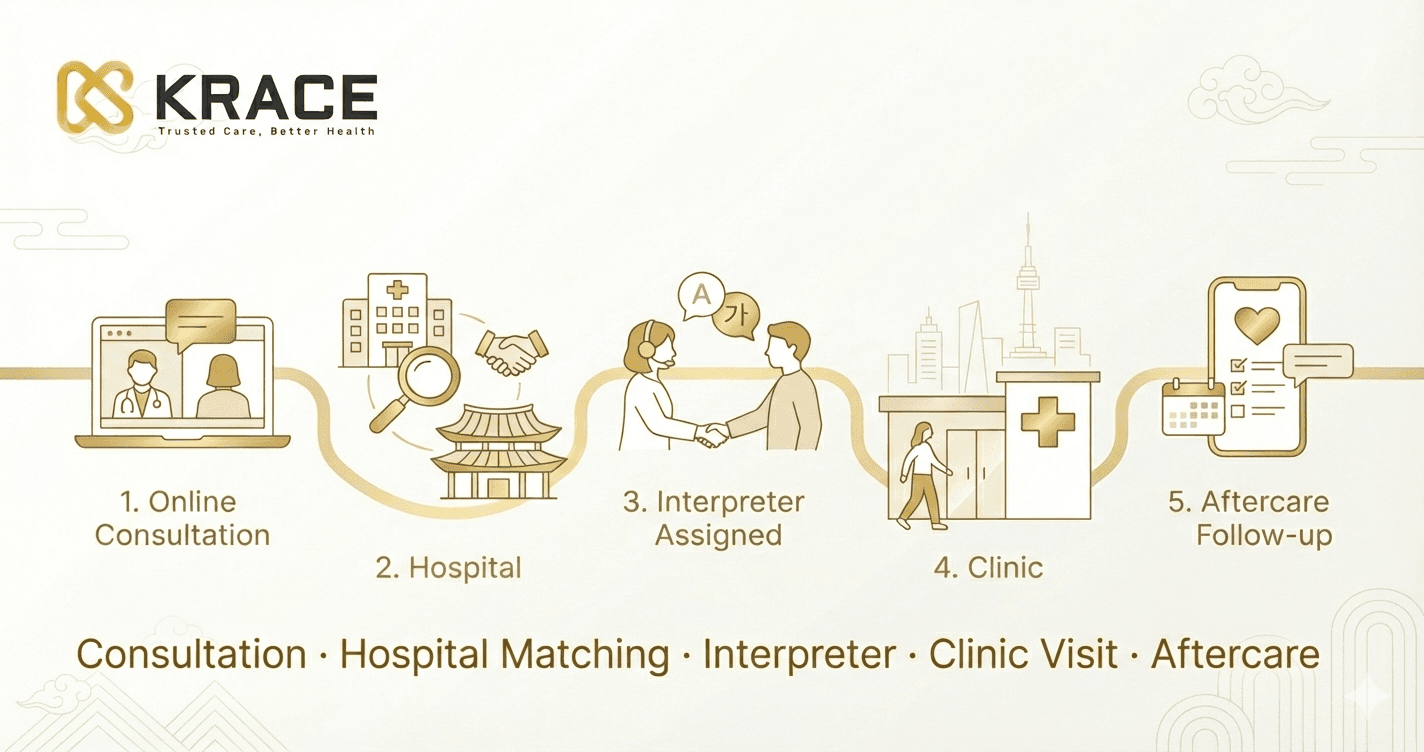
If you’re considering this approach, it helps to understand the full process.
You can start with [how to book a clinic in Korea as a foreigner](INTERNAL_LINK: booking Korean clinic guide).
Why Seoul Stands Out in 2026
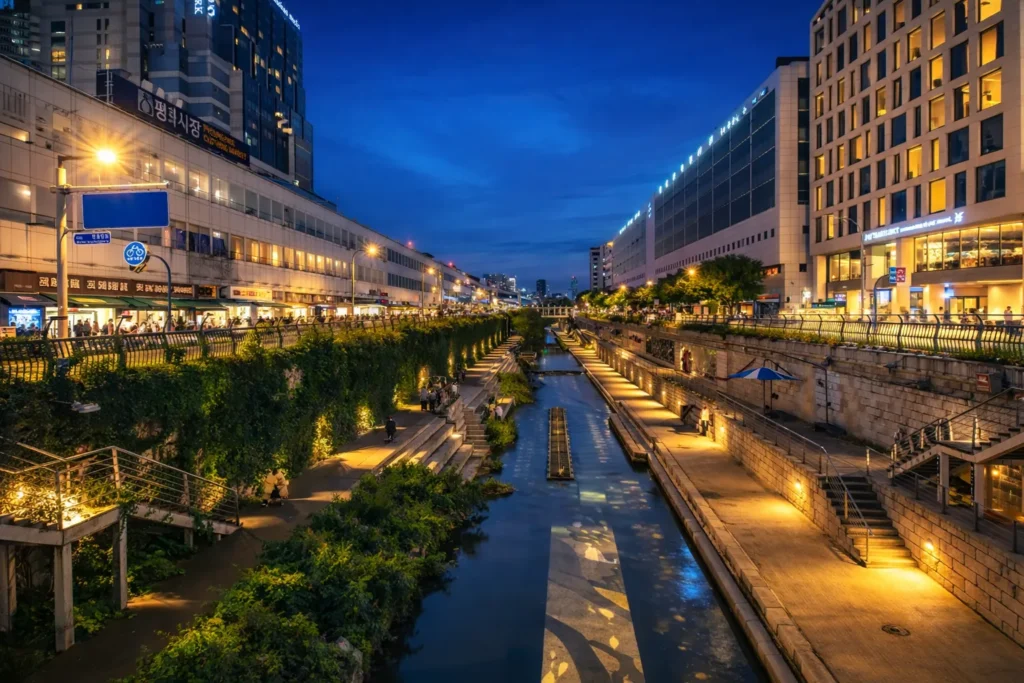
Many cities offer great food.
Many cities offer great healthcare.
Seoul is one of the few that offers both—in a way that works together.
That’s the difference.
You’re not choosing between experiences.
You’re combining them.
You Might Also Like

Patient Success Stories in Korea: What Actually Happens (And Why People Keep Coming Back)
Imagine booking a specialist appointment back home and being told the next available slot is in three months—then discovering you could be seen, diagnosed, and treated within a week in Korea, often at half the cost. That’s not a marketing claim—it’s the reason thousands of international patients quietly choose Korea each year. Why Korea Keeps Showing Up in Real Patient Stories There’s a reason Korea keeps coming up in Reddit threads, YouTube vlogs, and expat forums. It’s not just about K-beauty
blog.kracecare.com

Why More Travelers Are Choosing Korea for Primary Care (And What It’s Really Like)
Imagine needing a health checkup but facing a three-month wait back home. Now picture landing in Seoul, booking a clinic visit within days, completing lab tests the same morning, and getting results before the week ends. For many international visitors, that’s not hypothetical — it’s exactly how healthcare works in Korea, especially for those seeking primary care Korea. Across North America, Europe, and Australia, rising costs and long wait times are pushing travelers to look abroad for care. Ko
blog.kracecare.com
Ready to Explore Seoul—Differently?
If you’re planning a trip to Seoul, think beyond the usual checklist.
Look at what the city actually enables:
Faster decisions
More efficient experiences
And the option to take care of things you’ve been putting off
If you want help navigating clinics, bookings, and aftercare while you’re there, KRACE can guide you through the process—simply and clearly.
No pressure. Just a better way to plan.
Frequently Asked Questions
Here are common questions international visitors ask about traveling in Seoul, safety, costs, transportation, and fitting a clinic visit into a short Korea trip.