

Five days in Seoul can disappear quickly. Between arrival, sightseeing, meals, shopping, and the flight home, adding a clinic visit may sound unrealistic. In many cases, though, an outpatient consultation, health screening, or other scheduled visit can fit into a short trip—if you plan around the clinic instead of squeezing healthcare into the last open hour of your itinerary.
The key question is not simply, “Can I visit a clinic in five days?” It is what kind of appointment you need, how much time the provider expects, whether results or follow-up are required, and whether your travel plans leave enough flexibility if the visit changes.
Is Five Days Enough for a Clinic Visit in Seoul?
Sometimes, yes—but five days should be treated as a travel window, not a guaranteed medical timeline.
A consultation-only appointment may be easier to fit into a short trip than care requiring multiple stages, repeat testing, recovery monitoring, or an additional in-person visit. Even a seemingly simple appointment can take longer if the clinician determines that testing, imaging, or another consultation is appropriate.
That is why you should confirm the expected sequence before you build the rest of the trip around it.
Medical Korea maintains searchable information on medical institutions serving international patients, including medical specialties, international-patient contacts, and selected language support. It can be a useful starting point for verifying providers rather than relying only on social media.
If you have not chosen a provider yet, start with our guide to choosing a Korean clinic.
On the Ground
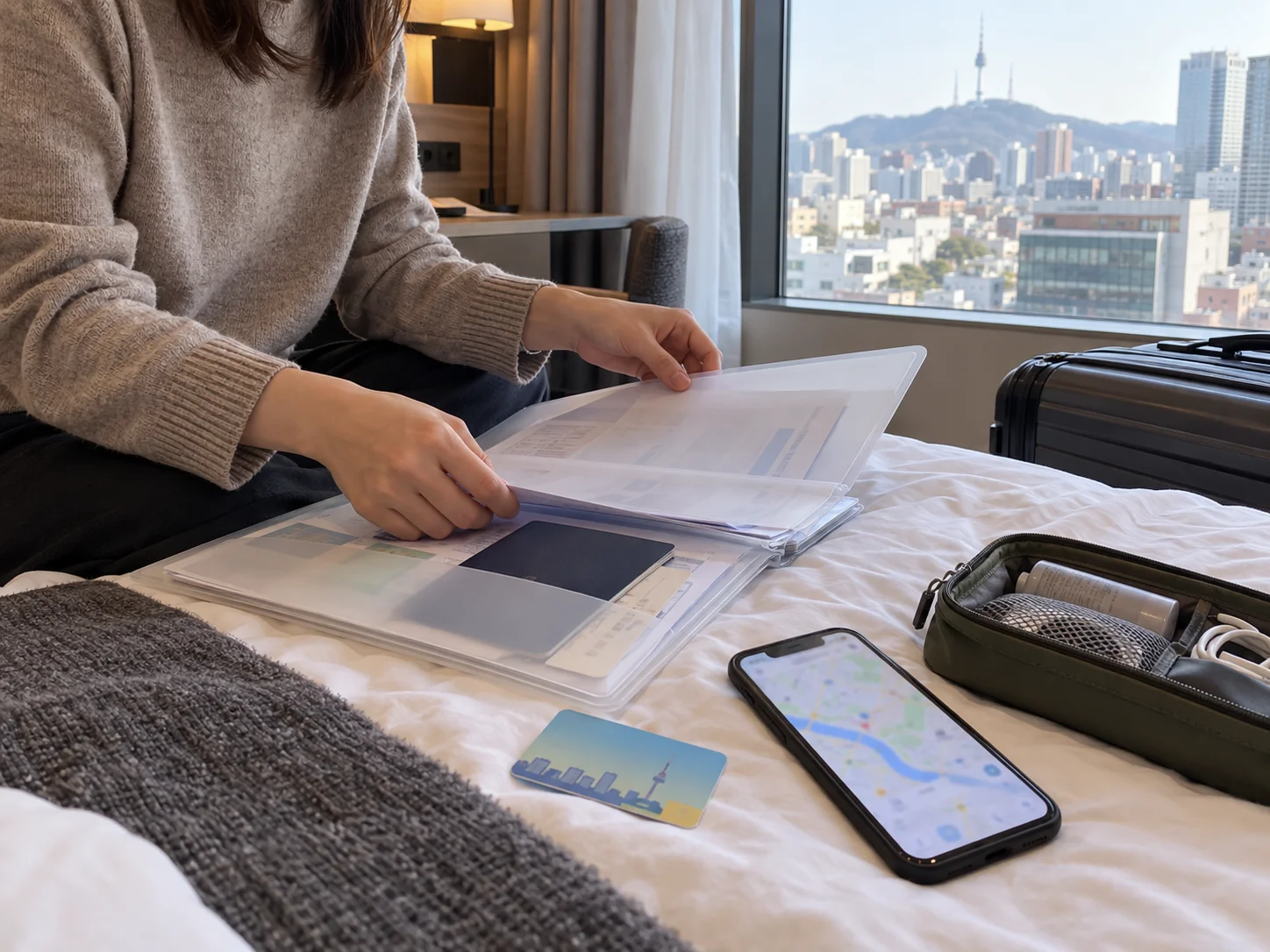
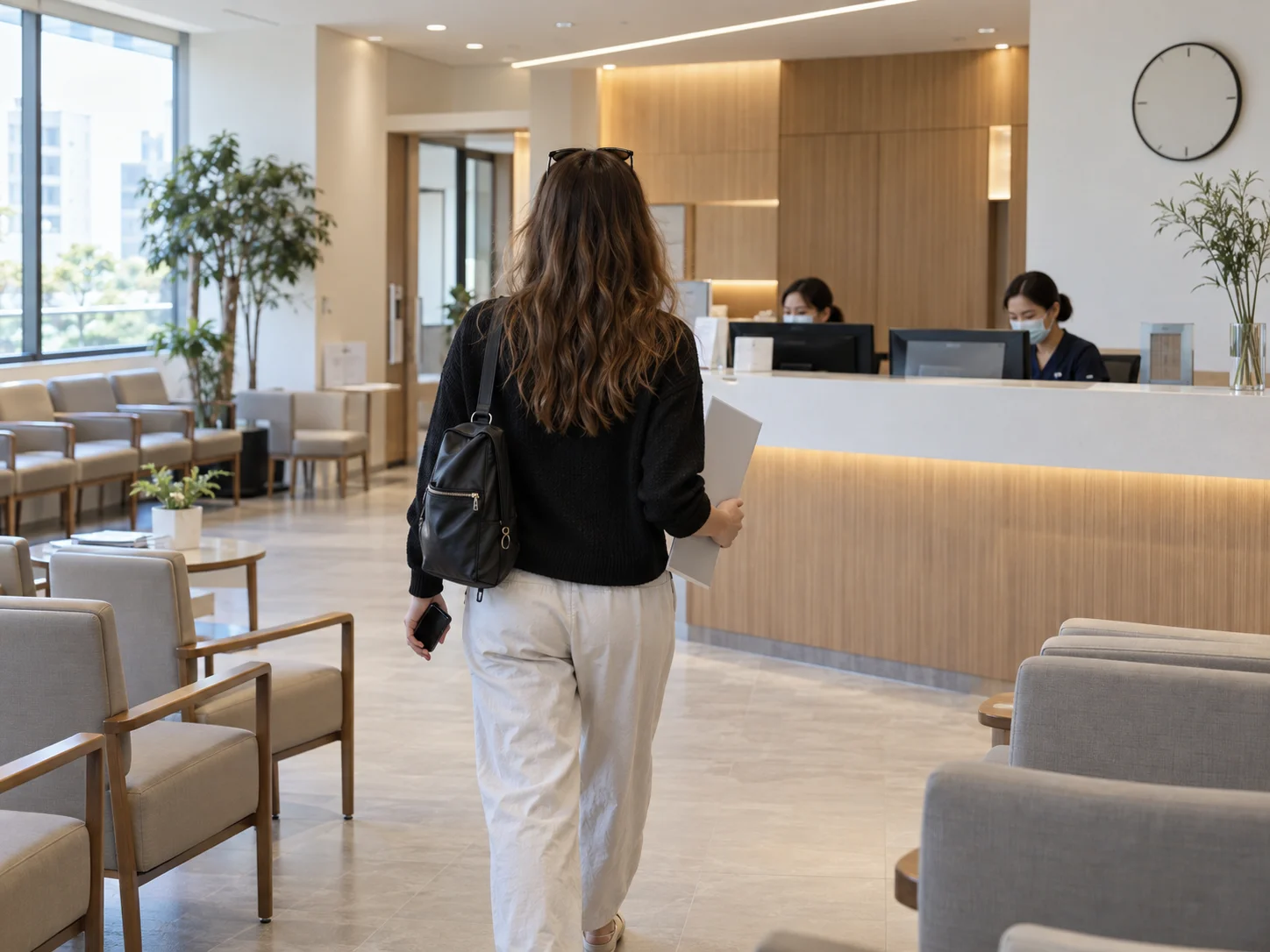
For a five-day trip, avoid treating the clinic visit like a restaurant reservation that must end at an exact time. Save the clinic's Korean address, confirm the exact branch and floor, and leave part of the day open in case registration, consultation, testing, payment, or results take longer than expected.
Which Types of Appointments Are Easier to Fit Into a Short Trip?
The easier appointments to schedule are generally those for which the provider expects fewer separate visits.
For example, an initial outpatient consultation may fit more naturally into a short Seoul stay than a treatment plan that requires repeated procedures or staged care. Some health screenings are designed around a defined appointment day, while other diagnostic work may require results to be reviewed later.
The important distinction is logistics, not medical appropriateness.
KRACE does not determine which test, procedure, or treatment is appropriate for you. That decision belongs to the licensed treating provider after reviewing your individual situation.
A consultation may be relatively straightforward to schedule
A consultation can give you an opportunity to meet the clinician, discuss your concerns, provide prior records, and understand what the provider recommends next.
But do not assume that consultation automatically means treatment will happen the same day.
Ask beforehand:
Is this appointment consultation only?
Should I send records before arriving?
Could testing be needed before a treatment decision?
How long should I reserve for the visit?
Will another appointment be needed if I decide to proceed?
This is especially important when you have only a few days in Korea.
A health screening may require more preparation
Health checkups often involve a more structured schedule.
The provider may give instructions about arrival time, fasting, medications, documents, or other preparation depending on the screening. Follow those instructions from the clinic rather than relying on a general online checklist.
You should also ask when results are expected.
If your report will not be ready until after you leave Korea, clarify how it will be delivered and who will provide clinical interpretation. Our Korea Health Checkup Steps explains that process in more detail.
Procedures may change the travel equation
The moment a procedure involves recovery, repeat assessment, or restrictions on travel activities, the itinerary becomes more complicated.
CDC's 2026 Yellow Book advises medical travelers to consider what activities should be avoided around a procedure and to arrange appropriate follow-up before traveling. It also notes that medical procedures and subsequent travel can create additional risks depending on the type of care received.
That means a five-day trip should never force a provider to compress medically necessary follow-up.
Which Day of a Five-Day Seoul Trip Should You Book?
There is no universal “best day,” but Day 2 or Day 3 often gives you more logistical flexibility than arrival day or departure day.
This is not a medical recommendation. It is simply a travel-planning principle.
Day 1: Arrival and buffer
International flights can be delayed, immigration can take time, and travelers may arrive tired or later than planned.
If your clinic visit is important, scheduling it only a few hours after landing creates unnecessary logistical risk. An arrival day can instead be used to confirm transportation, find the clinic location, organize records, and recover from travel.
Day 2: Often a practical appointment day
A second-day appointment leaves some room later in the trip if the clinic requests another visit.
You also have time to confirm directions and communication arrangements after arriving in Seoul.
For many travelers, this makes Day 2 a useful starting point when the provider has not given a different schedule.
Day 3: Still leaves some flexibility
A Day 3 appointment can work when your first days are already committed to travel or when the clinic's schedule requires it.
However, the later the initial appointment occurs, the less time remains for unexpected testing, results, or another visit.
Day 4: Better for appointments with limited follow-up needs
Day 4 may work for some consultations, but you should know beforehand whether anything else could be required.
If final results or another examination might be needed, a late appointment can become difficult to manage.
Day 5: Be cautious with departure-day appointments
A medical visit and an international flight on the same day create competing deadlines.
Traffic, clinic delays, testing, payment, or additional discussion can make the schedule difficult. More importantly, some types of medical care may affect when flying is appropriate, so the treating provider should determine whether your departure plan is compatible with the care being considered.
A Practical Five-Day Planning Example
A good short-trip plan has buffer, not just activities.
Here is a logistical example rather than a medical itinerary:
Day | Travel planning approach |
|---|---|
Day 1 | Arrive in Seoul, check in, confirm clinic location and appointment |
Day 2 | Primary clinic appointment with several hours kept open |
Day 3 | Flexible day in case testing, results, or another clinic visit is needed |
Day 4 | Travel activities or provider-directed follow-up if scheduled |
Day 5 | Departure, assuming no additional care or travel restriction has been advised |
Do not book this exact schedule without confirming it with the provider.
The purpose of the example is to show why one protected clinic day plus one flexible day is more resilient than putting a medical appointment into the final afternoon of your trip.
How Much Time Should You Leave for the Actual Visit?
Do not rely on a universal “one-hour clinic visit” estimate.
The appointment may involve:
registration;
questionnaire or medical history;
waiting;
clinician consultation;
testing or imaging;
another discussion;
payment;
prescriptions or documents;
follow-up scheduling.
Not every visit includes all of these steps.
The correct question to ask the clinic is:
“How much time should I keep available from arrival through payment and any possible tests?”
Even then, treat the answer as an estimate rather than a guarantee.
For a detailed walk-through of the actual experience, see What It’s Actually Like to Visit a Clinic in Korea.

What Can Make a Clinic Visit Take Longer Than Expected?
Several completely ordinary things can change the schedule.
Additional testing
The clinician may need more information before deciding what comes next.
That may mean blood work, imaging, or another test, depending on the medical situation.
Records need clarification
If your prior medical records are incomplete, in another language, or missing relevant images or reports, the clinic may need additional information.
Sending requested materials in advance can reduce avoidable administrative delays.
Language support needs coordination
An English-speaking coordinator and a medical interpreter are not necessarily the same person.
Medical Korea's provider directory lists interpretation languages by institution, demonstrating why language support should be confirmed individually rather than assumed.
Results are not immediate
Some results can be discussed during the same visit, while others require more time.
Ask whether you are expected to return to the clinic or whether the provider offers another method for results communication.
The clinic recommends another appointment
This is exactly why a short trip needs breathing room.
If another in-person visit is appropriate, your itinerary should be able to accommodate the provider's recommendation rather than forcing care into the original schedule.
Should You Book Before You Arrive in Korea?
For a short trip, usually plan the appointment before traveling if the visit matters to your trip.
Waiting until you arrive may work for some services, but it gives you less control over provider availability, language support, preparation instructions, and your remaining travel days.
Before flying, try to confirm:
provider and location;
appointment date and approximate duration;
requested records;
preparation instructions from the clinic;
language support;
expected consultation or service scope;
preliminary cost information where available;
accepted payment methods;
expected follow-up;
how results or records will be delivered.
Seoul's official Medical Tour Help Desk also provides medical-institution information, reservation guidance, and multilingual coordination for international medical visitors. Its current service information states that support covers the medical-tourism process from arrival through medical-institution visits and departure.
How Should You Plan Sightseeing Around the Appointment?
Do the clinic first and build flexible tourism around it—not the reverse.
Avoid booking a non-refundable tour, high-speed train, airport transfer, or expensive restaurant reservation immediately after the medical visit.
If the clinic expects only a consultation, your day may remain largely open. But if testing or another discussion is added, having extra time can prevent your healthcare and travel plans from competing with each other.
Also ask the treating provider whether any planned tourism activities are unsuitable after the specific care you receive.
CDC advises medical travelers that typical vacation activities such as strenuous exercise, swimming, sun exposure, or long tours may not be appropriate during recovery from some procedures. The relevant restrictions depend on the care received and should come from the treating professional.
What About Cost on a Short Trip?
A five-day itinerary does not make medical pricing more predictable.
Before agreeing to a service, ask what the estimate includes and what could generate an additional charge.
Potential components may include:
consultation;
testing;
imaging;
procedure or treatment;
medication;
interpretation;
medical certificates or translated documents;
follow-up consultation.
There is no reliable universal price for “a clinic visit in Korea” that applies across specialties and providers. Current Medical Korea resources provide institution and service information but do not establish a single comparable 2026 market price for general international-patient visits.
Prices vary by clinic and package — request a direct quote for accuracy.
What If Something Unexpected Happens During the Trip?
Know the difference between an appointment problem and a medical emergency.
If the clinic changes your appointment or you need help with travel-related coordination, contact the clinic or your coordinator.
For a medical emergency in Seoul, the official Seoul travel service directs visitors to call 119. Seoul states that its 119 emergency service operates 24/7 and can provide multilingual assistance, including English.
Do not rely on a booking platform, hotel concierge, social media message, or non-clinical coordinator for emergency medical assessment.
What Should You Confirm Before Flying Home?
Your final clinic-related question should not be “Am I done?”
It should be:
“What happens next?”
Before leaving Korea, confirm:
whether another in-person visit is needed;
when outstanding results will be ready;
how results will be delivered;
who provides medical interpretation;
what records you should take home;
who to contact for clinical follow-up;
whether the provider has given any travel-related instructions.
CDC recommends that medical travelers obtain copies of their overseas medical records and make them available to healthcare professionals providing subsequent care.
For a full explanation, read What Happens After Treatment in Korea? A Guide to Follow-Up Care Abroad.

So, Can You Add Healthcare to a Five-Day Seoul Trip?
Yes, a clinic visit can sometimes fit comfortably into a five-day Seoul trip—but the right schedule depends on what the provider expects before, during, and after the appointment.
The strongest short-trip plan is not the one that packs the most into five days. It is the one that leaves enough room for the medical visit to change without disrupting the rest of the trip.
Know the clinic before you fly. Keep part of the schedule flexible. Confirm costs and language support. And plan results and follow-up before your return flight.
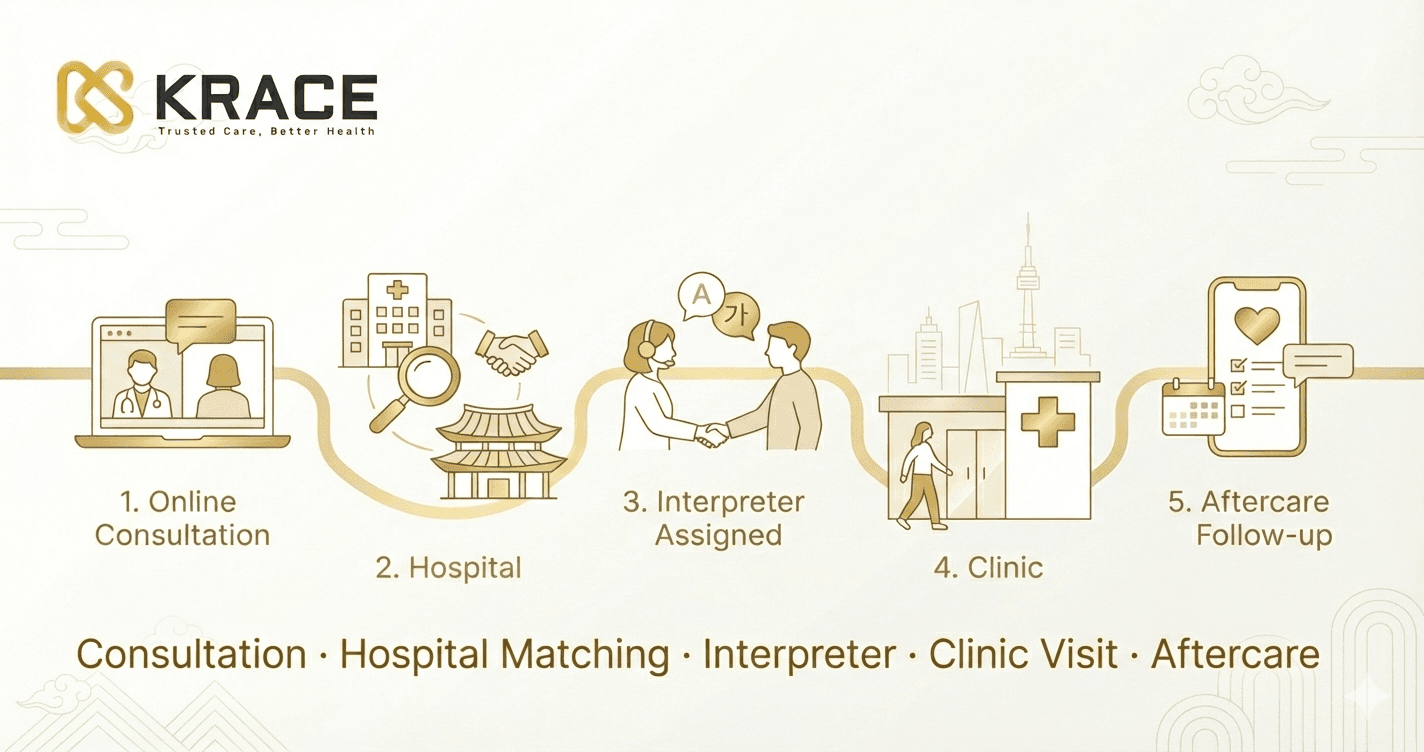
KRACE helps international visitors coordinate clinic matching, booking, communication, travel-related logistics, and post-care with independent licensed Korean providers.
Start with a free consultation →
You Might Also Like

How to Book a Clinic in Korea as a Foreigner
Some outpatient clinics in Korea offer same-day or short-notice appointments, but availability, pricing, and language support vary. This guide explains how international visitors can compare clinics, confirm costs, and arrange an appointment with confidence.
blog.kracecare.com
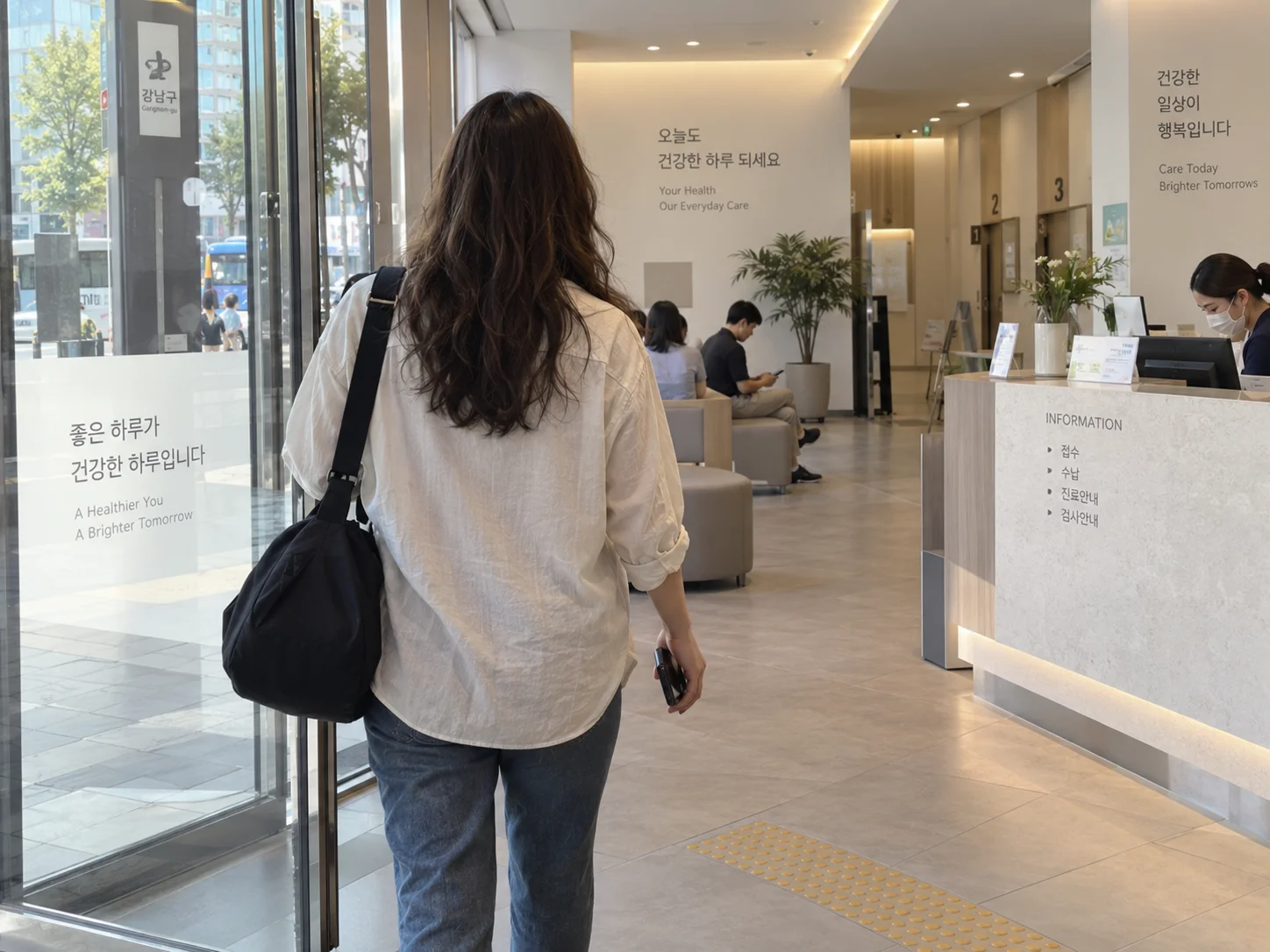
What It’s Actually Like to Visit a Clinic in Korea as an International Patient
A Korean clinic visit can feel unfamiliar the first time. Here is what international patients can expect from check-in and consultation through testing, payment, records, and follow-up.
blog.kracecare.com
Frequently Asked Questions
Practical answers to common questions about fitting a clinic visit into a five-day trip to Seoul.
Can I visit a Korean clinic during a five-day Seoul trip?
Yes, some clinic visits can fit into a five-day trip, but the time required depends on the provider and type of care.
A consultation may be easier to schedule than care involving repeat visits, recovery monitoring, additional testing, or delayed results. Ask the clinic how much time to reserve and whether another appointment may be needed before finalizing your itinerary.
Should I book the clinic before traveling to Korea?
For a short trip, booking before arrival usually gives you more control over timing, preparation, language support, and provider availability.
Confirm the exact branch, appointment time, records to send, preparation instructions, estimated costs, and whether results or follow-up may require another visit. Do not assume same-day availability after you arrive.
What day should I schedule the clinic during a five-day trip?
There is no single best day for every clinic visit. From a travel-planning perspective, scheduling earlier in the trip can leave more flexibility if testing or another appointment becomes necessary.
Avoid relying on arrival day or departure day unless the provider and your travel schedule allow sufficient time. Any clinical timing requirements should follow the treating provider’s instructions.
How long should I leave open for a Korean clinic appointment?
There is no reliable standard duration. Registration, waiting, consultation, testing, imaging, payment, prescriptions, or results discussions can extend the visit.
Ask the provider for an estimated timeline and keep additional buffer time afterward. Avoid tightly scheduled tours, trains, restaurant reservations, or airport transfers immediately after a medical appointment.
What if I need follow-up after I leave Korea?
Ask before treatment how results, records, and follow-up are handled after departure. Some providers may offer remote communication, while other situations may require another in-person assessment or care from a healthcare professional back home.
KRACE can coordinate clinic communication and logistics but does not interpret results or determine what follow-up is medically appropriate.
Appointment timing, preparation, results, recovery needs, and follow-up vary by provider and individual circumstances. Confirm your specific plan with the treating clinic.