

If you’ve ever spent $200+ on skincare back home and still felt like your skin plateaued, you’re not alone. The “glass skin” look—smooth, hydrated, almost reflective—doesn’t usually come from products alone. In Korea, it’s a mix of routine, treatments, and consistency—and often at a fraction of what you’d expect to pay back home.
What “Glass Skin” Actually Means (Beyond the Hype)
Glass skin isn’t just glow—it’s:
Even tone
Minimal texture
Deep hydration
Healthy barrier function
Most people miss this: products help maintain it, but treatments often kickstart it.
On the Ground (Seoul Reality Check)
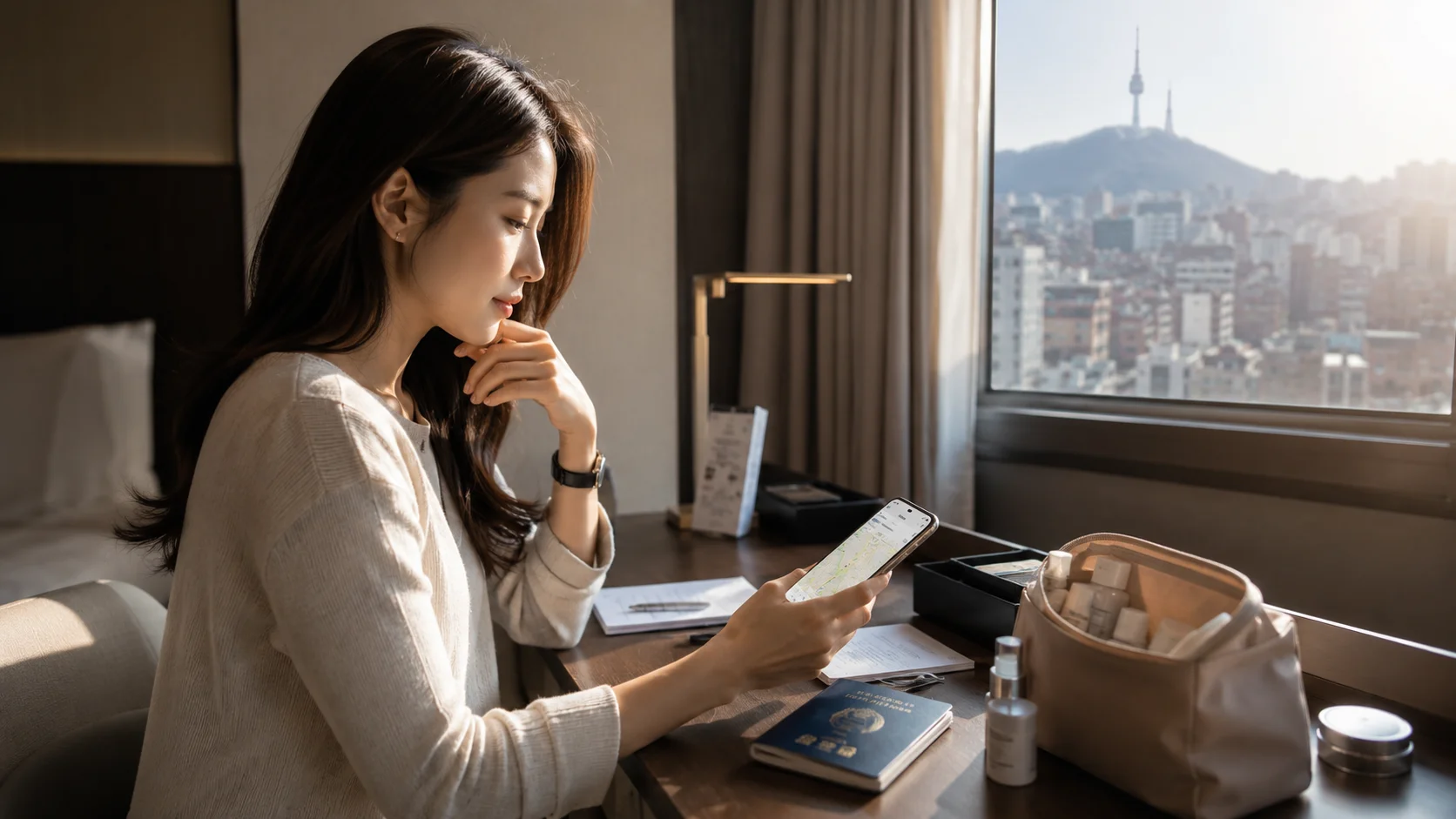
Most dermatology clinics are concentrated in Gangnam, and it’s normal to see patients booking multiple treatments in one visit. Clinics run efficiently—consultation → treatment → aftercare often happens within 60–90 minutes. Subway access is easy ($1–2 per ride), but use Naver Map instead of Google Maps for accuracy.

Products vs Treatments: What Actually Works Faster?
Here’s the honest answer:
Products maintain skin. Treatments transform it faster.
Approach | Timeline | Best For |
|---|---|---|
Products | 4–12 weeks | Maintenance, sensitive skin |
Treatments | Immediate–2 weeks | Texture, tone, hydration boost |
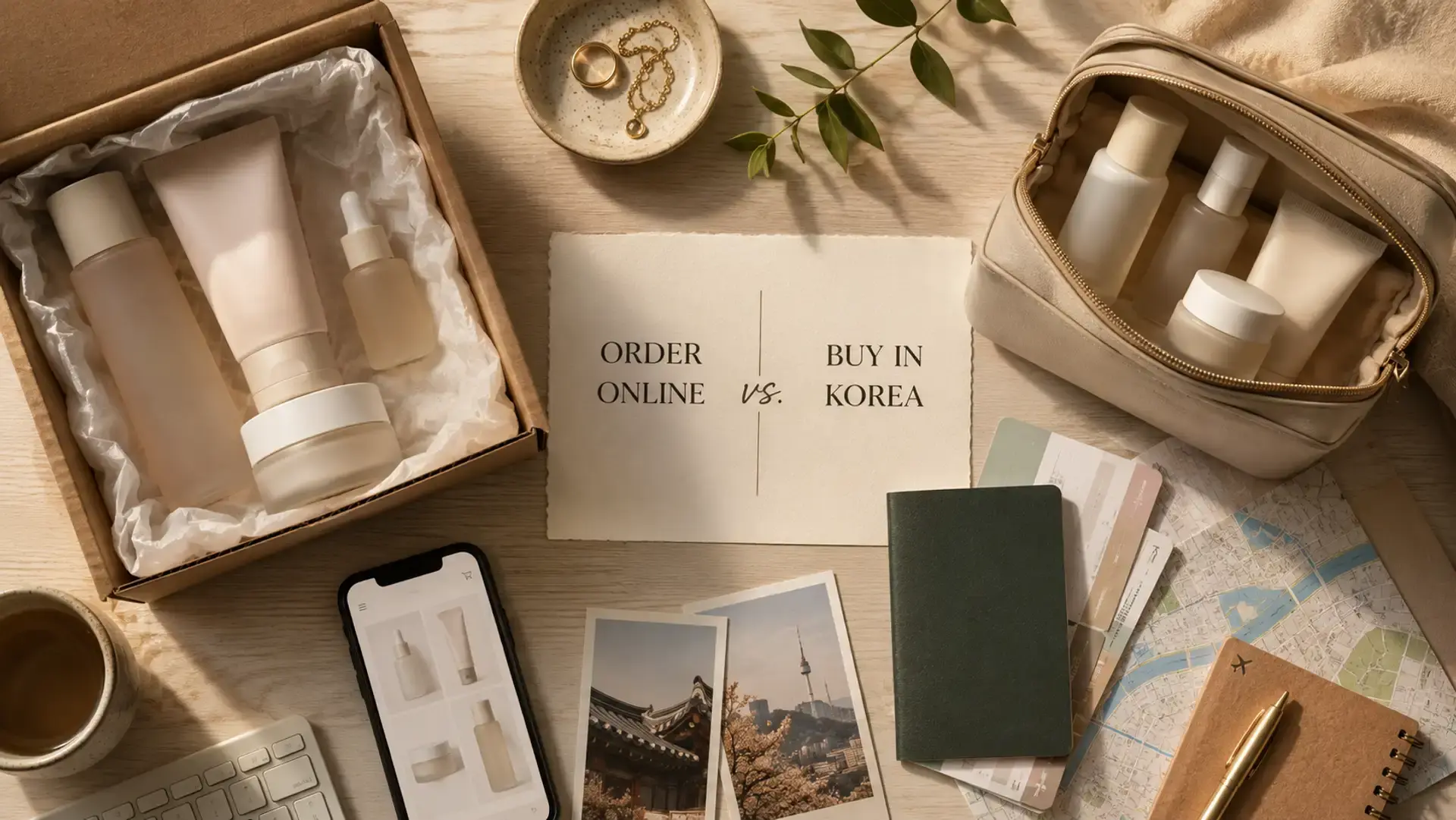
Real Cost Comparison: Korea vs Back Home
Short answer: You’ll typically spend 50–70% less in Korea for treatments, while products are similar or slightly cheaper.
Skincare Products (Budget to Mid-tier)
Category | Korea Price | Back Home (US) |
|---|---|---|
Sunscreen | $15–35 | $25–60 |
Serum | $20–45 | $40–120 |
Moisturizer | $20–50 | $50–150 |
Based on retail pricing from Olive Young Korea, Amazon US, and brand sites (2025–2026).
Dermatology Treatments (Mid-tier Clinics)
Yes—this is where the biggest difference is.
Treatment | Korea | US |
|---|---|---|
Laser toning | $80–200 | $300–600 |
Skin booster (Rejuran/PN) | $200–500 | $600–1,200 |
Aqua peel / facial | $30–80 | $120–300 |
Prices vary by clinic tier (budget vs premium), but mid-range Gangnam clinics typically fall in these ranges.
Why Korea Is Structurally Better for Skin Treatments
This isn’t just about price—it’s about system design:
1. High Treatment Volume
Clinics perform hundreds of procedures daily → lower cost per treatment.
2. Standardized Protocols
Laser settings and skincare regimens are highly optimized.
3. Preventive Culture
People treat skin regularly—not just when issues appear.
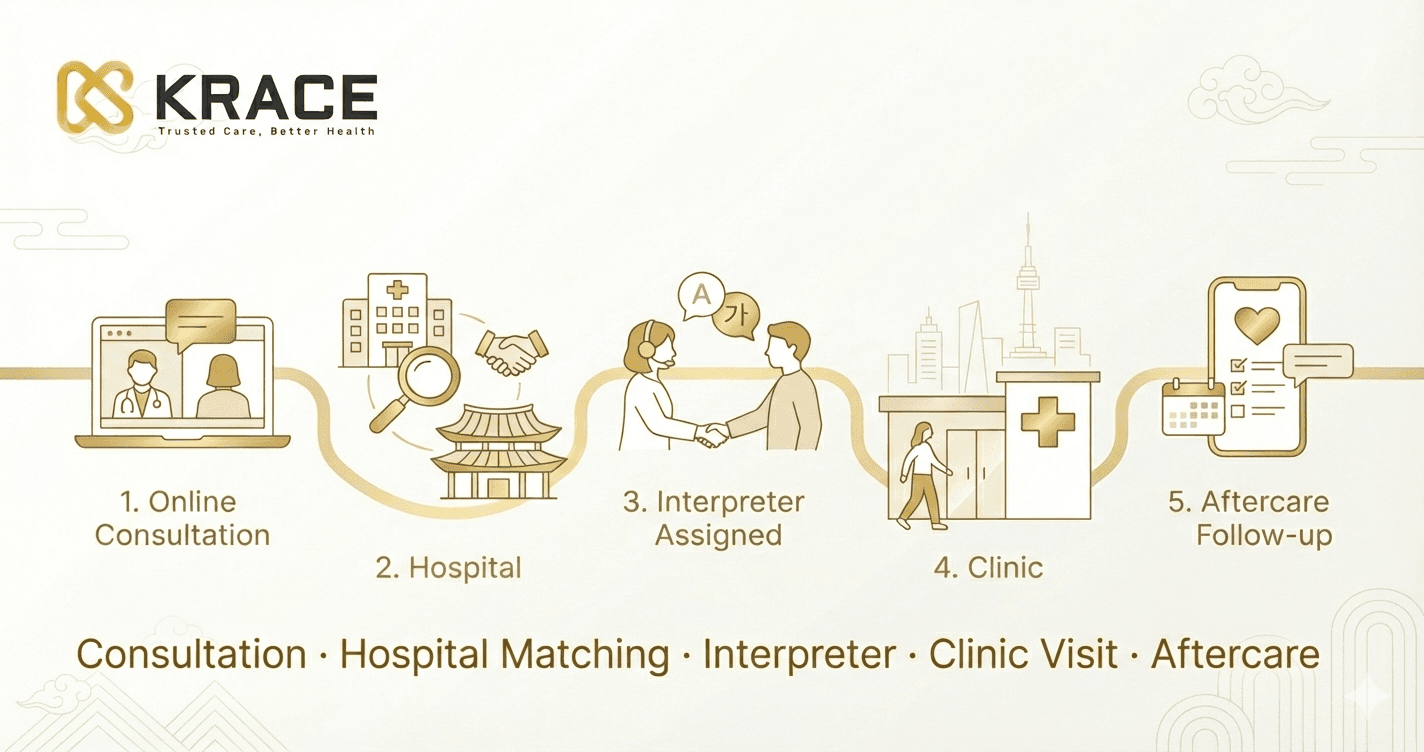
Step-by-Step: How International Visitors Actually Do This
Step 1 — Pre-Consultation (Online)
Share concerns (acne, pigmentation, dullness)
Get recommended treatments

How to Book a Clinic in Korea as a Foreigner
Imagine this: back home, you wait two to six weeks just to see a doctor—longer for anything specialized. Now picture landing in Seoul and getting a consultation, diagnosis, and treatment plan within a single day. That’s not a travel hack. It’s how the Korean medical system works. But here’s the catch: while care is fast and accessible, figuring out how to actually book a clinic in Korea as a foreigner isn’t always straightforward. Different systems, language gaps, and unclear pricing can make it
blog.kracecare.com
Step 2 — Clinic Matching
Based on budget + goals
English-friendly clinics prioritized

How to Choose the Right Korean Clinic: A Practical Guide
Imagine this: back home, you wait weeks—sometimes months—for a specialist appointment, only to spend 10 minutes in the consultation room. Now imagine landing in Seoul and getting a full consultation, diagnostics, and a treatment plan within 24–48 hours. That’s not an exception. It’s the norm in Korea. But here’s the reality most guides skip: while Korea is fast and affordable, choosing the right clinic as a foreigner can feel overwhelming. Different systems, unclear pricing, and language gaps ca
blog.kracecare.com
Step 3 — Visit & Treatment
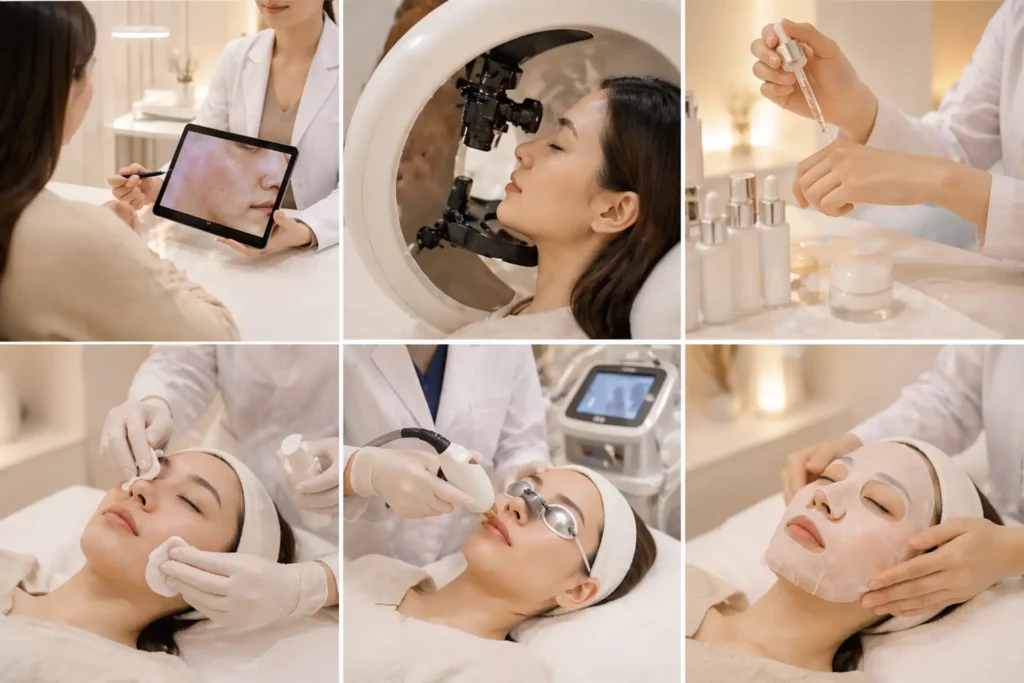
Typical flow:
Skin analysis
Consultation
Treatment (same day)
Aftercare instructions
Step 4 — Maintenance
Continue with products
Optional remote follow-up
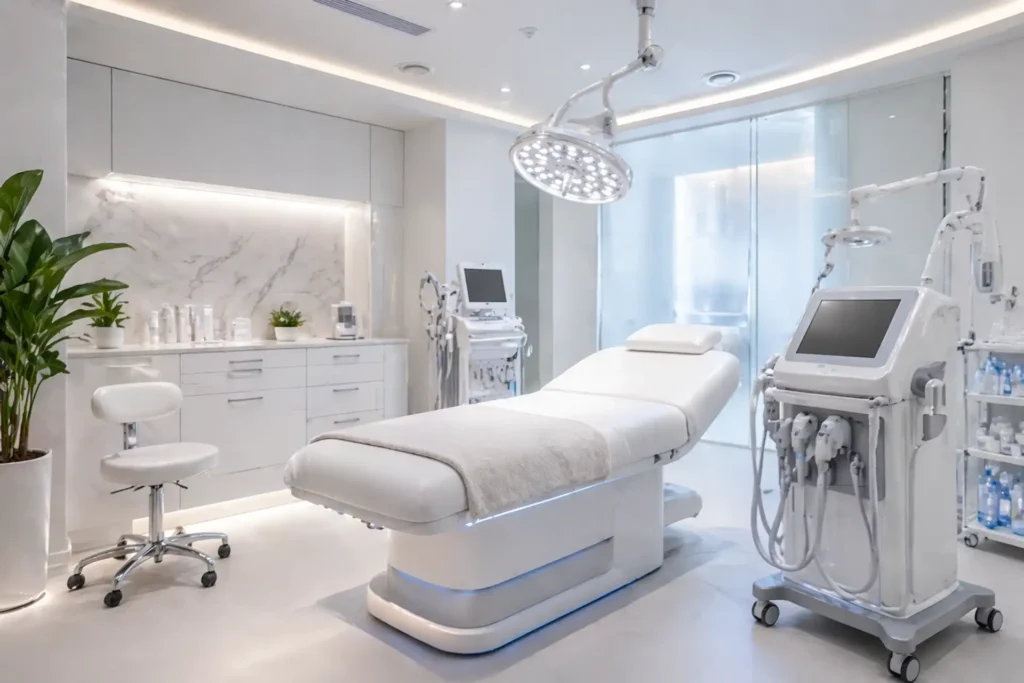
Safety: What You Actually Need to Check
Korea is one of the safest medical destinations, but still check:
Government-certified clinics (Foreign Patient Attraction registration)
Licensed dermatologists
Transparent pricing
Many clinics also follow:
Korean Healthcare Accreditation Program (KHAP)
Some have JCI accreditation
Language Barrier: Realistic Expectation
Large clinics: English coordinators available
Smaller clinics: basic English + translation apps
KRACE solves this by:
Pre-consultation in English
Guided booking
Optional interpretation support
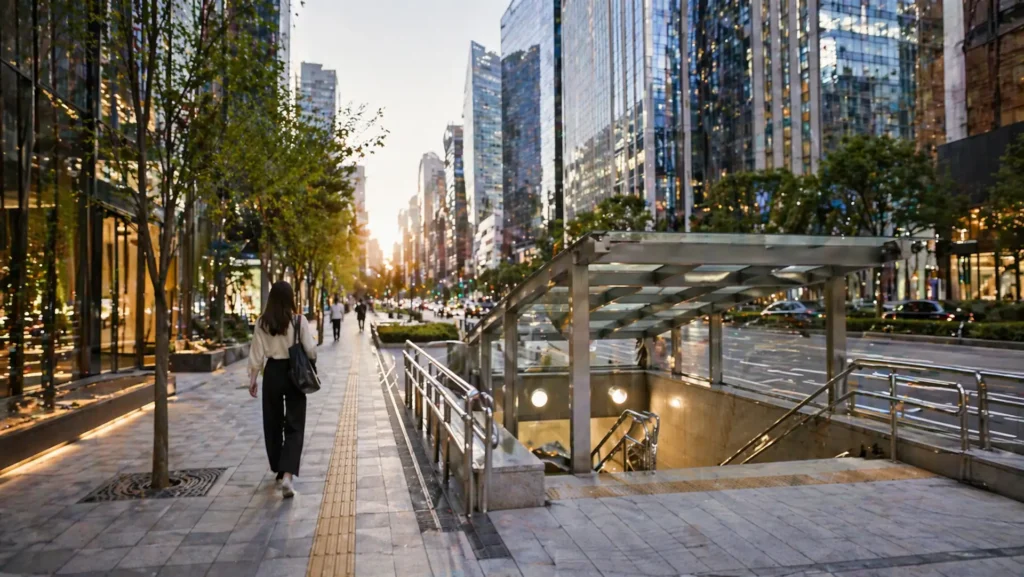
Travel Logistics (What People Usually Underestimate)
Flights
US → Seoul: ~13–15 hours
Cost: ~$700–1,200 round trip (seasonal)
Stay
Gangnam hotels: $80–250/night
Transport
Subway: $1–2 per ride
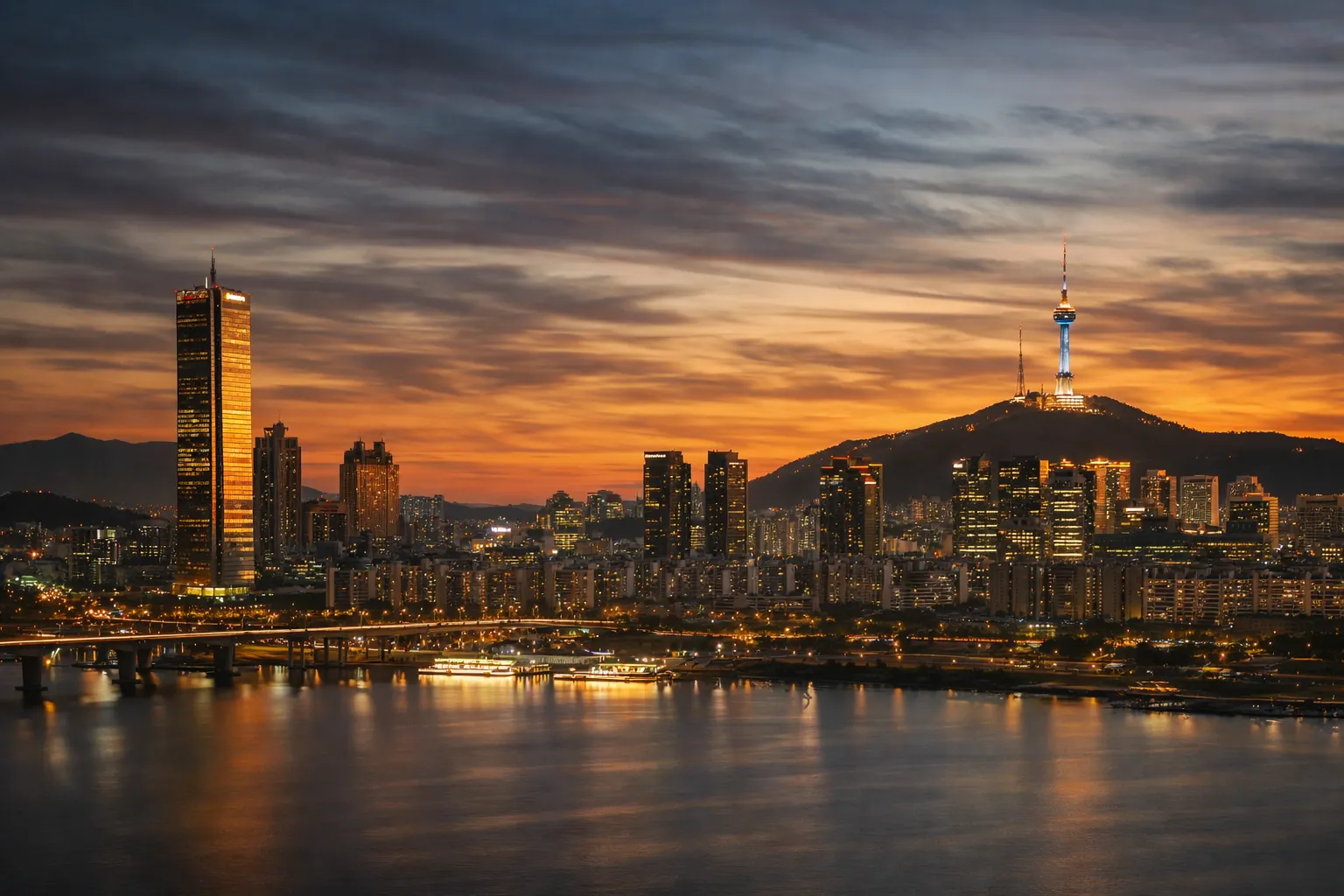
Why Seoul Should Be on Your 2026 Travel List (And Why Smart Travelers Are Adding Healthcare to the Plan)
Most people plan a trip around food, culture, and places to explore. But what if your trip could also take care of something you’ve been putting off—without slowing you down? That’s exactly why Seoul is showing up on global “best cities” lists in 2026. Not just because it’s exciting—but because it’s one of the few places where daily life, infrastructure, and even healthcare feel seamlessly connected. And once you experience how the city works, you start to see why more travelers are quietly addi
blog.kracecare.com
Aftercare: What Happens When You Go Home
This is where many people fail.
To maintain results:
Hydration-focused routine
Sunscreen daily
Optional follow-up consultation

Korean Skin Treatment Guide: What Foreign Visitors Should Know Before Booking in Korea
If you have ever looked at before-and-after photos from Seoul and wondered whether glass skin Korea is just marketing, here is the honest answer: the glow is usually not coming from a 10-step bathroom shelf alone. In Korea, skincare is often a mix of daily habits, clinic-based maintenance, and fast access to dermatology-led treatments that many visitors find easier to book, faster to receive, and more affordable than back home. Korea’s medical-wellness ecosystem has also scaled quickly: in 2024,
blog.kracecare.com

Final Recommendation (Based on Your Situation)
If you’re budget-conscious
→ Start with products ($50–150 total)
If you want visible results fast
→ 1–2 dermatology treatments in Korea
If you want long-term results
→ Combine both (recommended)
You Might Also Like

K-beauty Treatment Korea: What Actually Works 2026 Guide for Foreigners
So what’s actually behind that “glass skin” look—and how do you access it without getting overwhelmed? Why K-beauty Treatments in Korea Feel Different Korean skincare isn’t just about products—it’s a system. And that system starts in clinics, not stores. Unlike many countries where dermatology is treated as a medical necessity only, Korean dermatology blends medical care with beauty optimization. That means you don’t wait months for treatment—you walk in, get assessed, and often start treatment
blog.kracecare.com

Essential Steps for a Smooth Health Checkup in Korea
[IMAGE 1: Korean Health Checkup Center] Imagine booking a full health checkup and finishing everything—blood tests, imaging, specialist consultations—in a single morning. In many countries, the same process might take weeks of appointments and referrals. That’s one reason international visitors increasingly consider Korea for preventive screenings. With modern facilities, faster diagnostics, and comparatively lower costs, a Korean health checkup can turn a stressful medical process into a surpri
blog.kracecare.com
Frequently Asked Questions About Glass Skin in Korea
Here are the questions international visitors ask most often about Korean skincare costs, dermatology treatments, clinic safety, and what to expect before booking.
How much does it cost to get glass skin in Korea?
The total cost depends on whether you focus on skincare products, clinic treatments, or both. A basic product routine may cost around $50 to $150 total, while dermatology treatments in Korea often range from about $80 to $500 per session depending on the clinic, treatment type, and tier.
Is Korean skincare cheaper than back home?
In many cases, yes. Korean skincare products are often more affordable than similar products back home, especially when you compare ingredient quality and treatment frequency. The biggest price difference usually appears in dermatology procedures, where Korea can be significantly less expensive than markets like the US.
Do I need dermatology treatments to achieve glass skin?
Not always. Many people improve hydration and glow through a consistent skincare routine alone. However, dermatology treatments can help you see faster changes in tone, texture, pores, and overall skin clarity, especially if you want more visible results in a shorter period.
Is it safe for international visitors to get skincare treatments in Korea?
Korea is generally considered a strong destination for skincare and dermatology, but clinic selection still matters. It is best to choose licensed providers, verify the clinic’s credentials, and confirm whether they are experienced in supporting international patients before booking.
What should I prepare before visiting a Korean dermatology clinic?
Bring a short summary of your skin concerns, your current skincare routine, any allergies or sensitivities, and photos if your issue changes over time. It also helps to confirm pricing, expected downtime, and whether English coordination is available before your appointment.
Planning your first appointment in Korea? It helps to compare treatment goals, clinic style, and aftercare support before you book.