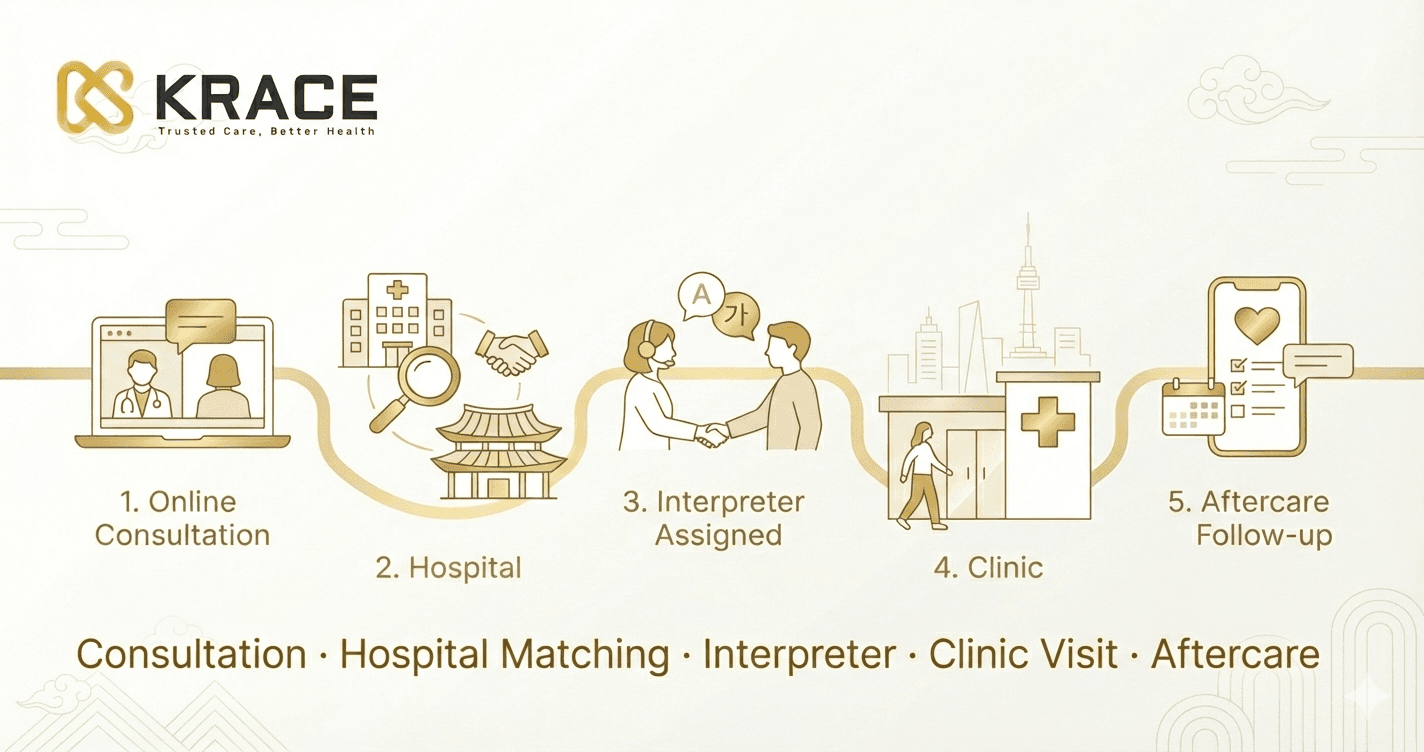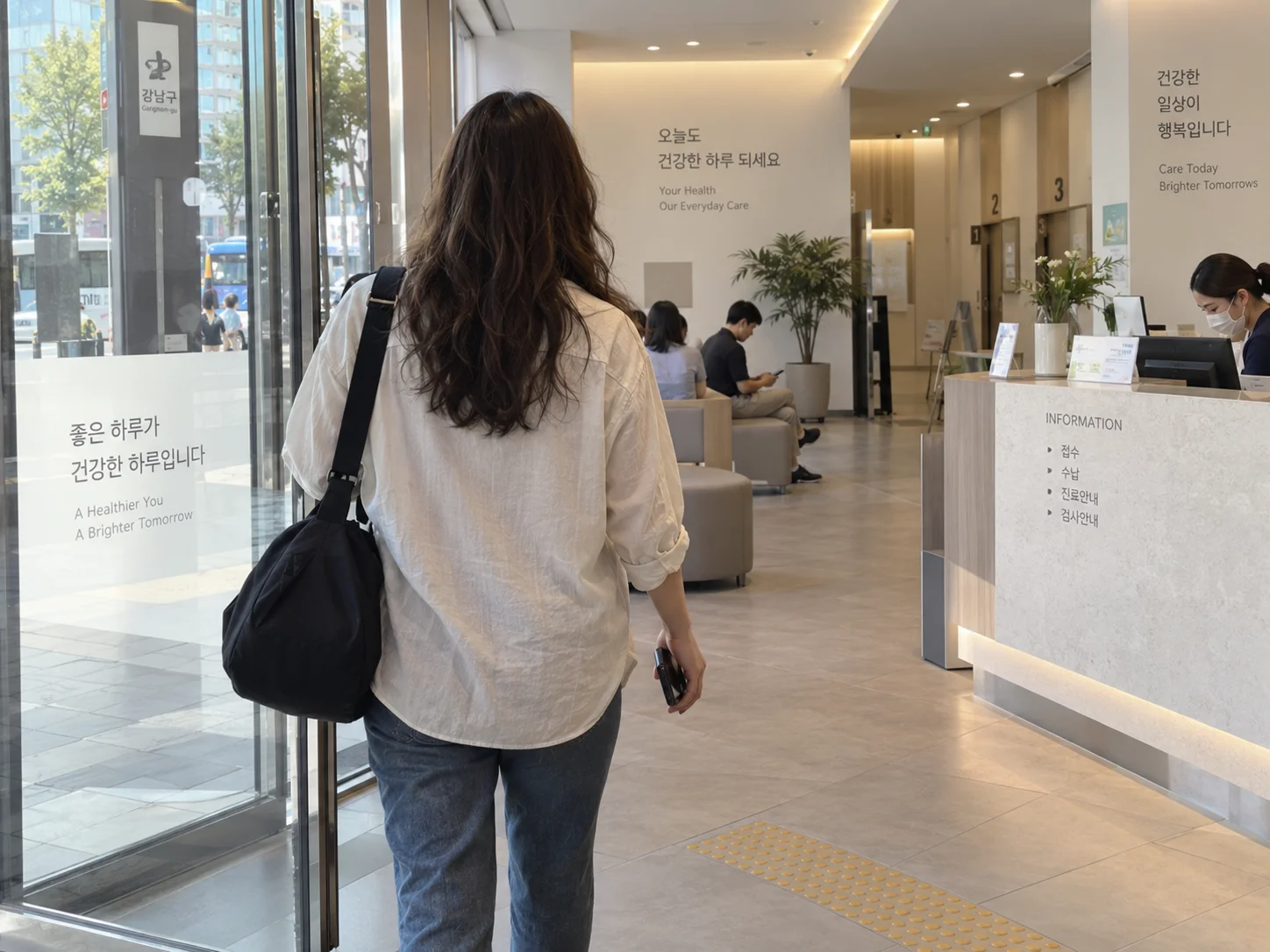


Korea’s medical travel market has changed quickly. In 2025, Korea received 2.01 million foreign patients from 201 countries, passing the 2 million mark for the first time since official tracking began in 2009, according to Korea’s Ministry of Health and Welfare.
But for visitors, the real question is not only “Can I book treatment in Korea?” It is also “What happens after the clinic visit?” This guide explains what to expect after Korean medical treatments, including reports, receipts, follow-up care, travel logistics, and communication after you return home.
Korea’s 2025 Medical Travel Market: Why Aftercare Matters
Korea is no longer a niche option for medical travel. In 2025, the number of foreign patients nearly doubled from 1.17 million in 2024 to 2.01 million in 2025, setting a new national record.
Dermatology was the largest category, accounting for about 1.31 million visits, or 62.9% of treatment categories, followed by plastic surgery and internal medicine. This matters because many international visitors are coming for clinic-level care, not only large hospital care.
For KRACE readers, that means the patient journey is often practical and time-sensitive. You may be planning a health checkup, skin treatment, dental consultation, eye exam, or follow-up appointment while also managing flights, hotels, translation, and documents.
On the Ground
Before leaving a Korean clinic, save five things in one digital folder: your receipt, treatment summary, medication or skincare instructions, clinic contact channel, and follow-up timeline. This small step can make it much easier to ask questions later, file an insurance claim, or share records with a doctor back home.
What Usually Happens After Treatment in Korea?
The aftercare process depends on the treatment type. A basic dermatology visit may involve simple skincare instructions and a short check-in. A health checkup may require a formal report, imaging files, and a result explanation. Dental, eye, women’s care, or orthopedic visits may need staged treatment plans.
The direct answer: after Korean medical treatments, visitors should expect some combination of receipts, aftercare instructions, result reports, medication guidance, and follow-up communication — but the exact process varies by clinic and service.
Timing | What may happen | What to confirm |
|---|---|---|
Same day | Payment, receipt, aftercare guidance | What is normal vs. not normal |
1–3 days | Simple check-in if needed | Clinic contact method |
3–14 days | Report, test result, image file, or treatment summary | English document availability |
2–6 weeks | Remote follow-up or second visit | Whether follow-up is included |
Back home | Share records with local doctor | File format and translation needs |
Do not wait until the last appointment to ask about follow-up. Ask before booking whether the clinic can provide English documents, remote communication, and post-visit instructions.
Cost Expectations: Korea vs. Back Home
Prices vary by clinic, doctor, device, treatment scope, city, interpretation support, and whether documents are included. The safest wording is not “Korea is always cheaper.” The better message is: Korea can offer clear package pricing for some services, but visitors should request a direct quote before booking.
The direct answer: for common KRACE-fit services such as health checkups, dermatology consultations, and laser treatments, public 2025–2026 price references suggest broad planning ranges, but final prices must come from the clinic.
Service | Korea planning range | Notes |
|---|---|---|
Basic medical checkup | approx. $400–$800 | Public marketplace range for Korea checkups |
Premium / comprehensive checkup | approx. $600–$1,200+ | Imaging and endoscopy can increase cost |
Physician consultation in Seoul | approx. $100–$200 | Listed average around $150 |
Laser toning / pigmentation | approx. ₩80,000–₩250,000 per session | Depends on device, area, and clinic tier |
Acne scar / resurfacing laser | approx. ₩200,000–₩600,000 per session | More intensive treatments cost more |
Bookimed lists basic medical checkups in Korea around $400–$800 and premium checkups around $600–$1,200, while a Seoul physician consultation listing shows a range of $100–$200. Seoul dermatology market guides list laser toning around ₩80,000–₩250,000 and acne scar or resurfacing lasers around ₩200,000–₩600,000 per session, though clinic-level quotes can vary.
For visitors, the real value is not only the treatment price. It is whether the clinic provides clear instructions, itemized receipts, English support, and a realistic follow-up plan.

What Documents Should You Ask For?
Documentation is one of the most important parts of the post-treatment experience. It helps you understand what was done, continue care back home, and prepare reimbursement documents if your insurer allows claims.
Ask for documents before leaving Korea, not after you have returned home.
Document | Why it matters |
|---|---|
Itemized receipt | Useful for personal records or insurance claims |
Treatment summary | Helps your local doctor understand what was done |
Medication list | Reduces confusion with prescriptions |
Imaging files | Important for dental, eye, orthopedic, and checkup follow-up |
English report | Helpful for visitors who do not read Korean |
Clinic contact channel | Needed for post-visit questions |
Some clinics can provide English documents. Others may provide Korean records only, or charge separately for translation. KRACE can help visitors request documentation, but clinical interpretation should come from the clinic or the visitor’s own healthcare provider.
Health Checkups: What Happens After the Appointment?
Health checkups are often one of the easiest services to plan because the process is structured. Visitors usually complete fasting, registration, tests, imaging, doctor consultation, and report delivery.
After the appointment, the key issue is the final report. Some basic results may be explained on the same day. Other reports may take several days or longer, especially if pathology, imaging review, or specialist interpretation is included.
Before booking a Korean health checkup, ask:
Question | Why it matters |
|---|---|
When will I receive the final report? | Some results are not same-day |
Is an English report available? | Useful for doctors back home |
Can I receive imaging files? | Important for second opinions |
Is result explanation included? | Prevents confusion |
What happens if something abnormal appears? | Clarifies referral and next steps |
KRACE should position health checkup support around clarity: matching, booking, document requests, and follow-up communication. KRACE should not diagnose results or replace the doctor’s explanation.

Korean Health Checkups: Why Travelers Are Booking Screenings in Seoul
Imagine booking a full medical checkup and getting the results the same day—not after weeks of waiting. For many travelers visiting Korea, that’s exactly what happens. Health screenings in Seoul combine fast diagnostics, transparent pricing, and English-friendly clinics. Compared with long wait times and high costs in many countries, a Korean health checkup often feels less like a medical ordeal and more like a well-organized part of your trip. Why More Travelers Are Choosing Korea for Preventiv
blog.kracecare.com
Dermatology and Skin Treatments: What to Expect Afterward
Dermatology is the largest foreign-patient category in Korea’s 2025 medical travel market. For visitors, the aftercare experience is usually practical: what to apply, what to avoid, what is normal, and when to contact the clinic.
For laser or skin treatments, clinics may give guidance about sun exposure, makeup, cleansing, exfoliation, sauna use, alcohol, exercise, and next-session timing. These instructions should come from the clinic because aftercare depends on skin type, device, treatment depth, and treated area.
Before leaving the clinic, ask:
Question | Why it matters |
|---|---|
What reactions are normal? | Helps reduce anxiety |
What symptoms require contact? | Helps identify red flags |
Can I wear makeup tomorrow? | Important for travel plans |
Should I avoid sauna or sun? | Common Seoul itinerary issue |
When can I do the next session? | Helps plan a return visit |
A practical tip: avoid scheduling an intensive skin treatment the day before a long flight, wedding event, outdoor tour, or major photoshoot. Low-downtime treatments may fit short trips better.

Top Things to Do in Seoul (2026) — And Why More Travelers Are Adding a Dermatology Visit
Seoul isn’t just a place you visit — it’s a place you experience. You might start your morning walking through 경복궁, spend the afternoon café-hopping in Ikseon-dong, and end your night sampling street food at 광장시장. That’s the version of Seoul most travel guides show you. But here’s what many of them don’t tell you —a growing number of visitors are adding something unexpected to that itinerary: a dermatology visit. Not because they have to.Because it’s surprisingly easy, efficient, and often far m
blog.kracecare.com
Safety and Credentials: How to Check Before and After Care
Korea has formal healthcare quality and patient safety systems. The Korea Institute for Healthcare Accreditation, or KOIHA, supports healthcare institutions in building patient safety systems and expanding trustworthy accredited medical institutions.
Some Korean hospitals also hold international accreditation, and JCI provides a searchable database of accredited international organizations. That said, accreditation should not be the only decision factor. Many clinic-level providers may not be JCI-accredited but can still be licensed and experienced in their specialty.
Ask practical questions:
Safety check | What to ask |
|---|---|
Legal operation | Is the clinic licensed and properly registered? |
Doctor role | Who performs the consultation or treatment? |
International support | Do you handle English-speaking visitors? |
Aftercare | Who answers post-treatment questions? |
Documentation | Can I receive English records or summaries? |
Emergency guidance | What should I do if symptoms worsen? |
Avoid relying only on social media, influencer videos, or low prices. A responsible clinic should be able to explain the treatment scope, possible downtime, follow-up process, and when you should seek urgent care.
Remote Follow-Up: Helpful, But Not Unlimited
Remote follow-up can be useful after returning home. Some clinics may review photos, clarify skincare instructions, explain report timing, or advise whether a second visit is needed.
But remote follow-up has limits. It may not replace an in-person exam, especially if symptoms are serious or worsening. Visitors should also know when to seek local urgent care back home.
A realistic remote follow-up flow may look like this:
Patient sends a question, photo, or document.
Coordinator checks whether the issue is administrative or clinical.
Clinical questions are routed to the clinic.
Clinic provides guidance within its policy.
Patient is advised to seek local care when needed.
KRACE can support communication and routing. KRACE does not diagnose, treat, or provide medical advice directly.

Logistics After Treatment: Hotels, Maps, and Transport
Good logistics can make recovery and follow-up easier. Seoul is convenient, but after treatment you may not want long subway transfers, steep stairs, or tight airport timing.
Naver Map is often more useful than Google Maps in Korea for local movement. Subway is practical for many clinic visits, but taxis may be better immediately after longer appointments or when you are carrying records, prescriptions, or luggage.
Before choosing accommodation, check:
Logistics item | Practical approach |
|---|---|
Clinic distance | Stay within 20–30 minutes if follow-up is needed |
Elevator access | Useful after procedures or long checkups |
Nearby pharmacy | Helpful for prescriptions |
Airport timing | Avoid tight same-day departures |
Food options | Important after fasting checkups |
Translation access | Confirm before arrival |
Travelers should also review health guidance before international travel. The CDC’s South Korea traveler page recommends that international travelers be fully vaccinated against measles with the MMR vaccine.
Insurance and Reimbursement
Insurance reimbursement depends on your policy. Some visitors pay out of pocket in Korea and later ask whether travel insurance, private insurance, or employer benefits will reimburse part of the cost.
Before booking, ask your insurer:
Question | Why it matters |
|---|---|
Are overseas outpatient services covered? | Many policies exclude elective care |
Is pre-authorization required? | Some claims fail without it |
What documents are needed? | Receipts alone may not be enough |
Must documents be in English? | Translation may be required |
Are cosmetic procedures excluded? | Many policies exclude them |
Clinics may provide receipts and medical documents, but they usually do not guarantee reimbursement. KRACE can help visitors request documents, but the insurer makes the final decision.
Realistic Patient Scenarios
Scenario 1: Health Checkup Visitor
A visitor books a comprehensive checkup during a Seoul trip. Some findings are explained on-site, but the final report arrives later. The visitor shares the English report with a doctor back home.
What matters most: report timing, English summary, imaging files, and next-step recommendations.
Scenario 2: Dermatology Visitor
A visitor books a skin consultation and laser session. The treatment is quick, but the clinic explains sun protection, gentle skincare, and what level of redness is expected.
What matters most: downtime planning, aftercare instructions, and clinic contact.
Scenario 3: Consultation-First Visitor
A visitor wants a second opinion or treatment-plan consultation but is not ready to proceed. The clinic reviews existing records and explains possible options.
What matters most: no-pressure planning, clear documentation, and follow-up questions.
How KRACE Helps
KRACE is not a hospital, clinic, or medical provider. Medical services are provided by independent licensed healthcare providers.
KRACE supports the coordination layer that international visitors often struggle with:
Visitor need | KRACE support |
|---|---|
Clinic selection | Matching based on service type, location, language needs, and goals |
Booking | Appointment coordination and preparation |
Communication | English-friendly support where available |
Payment flow | Booking and payment support depending on service setup |
Documentation | Helping request receipts, reports, and summaries |
Follow-up | Routing post-visit questions to the right clinic channel |
This is especially helpful for visitors who are not fluent in Korean or who do not want to rely only on scattered websites, translation apps, or social media reviews.
Final Checklist Before You Leave Korea
☑ I received my receipt and payment record.
☑ I know when my final report or result will arrive.
☑ I asked whether English documents are available.
☑ I saved the clinic’s contact channel.
☑ I understand medication or skincare instructions.
☑ I know what symptoms require urgent care.
☑ I have imaging files or summaries if needed.
☑ I know whether remote follow-up is possible.
☑ I have a plan to share records with my doctor back home.

How to Book a Clinic in Korea as a Foreigner
Imagine this: back home, you wait two to six weeks just to see a doctor—longer for anything specialized. Now picture landing in Seoul and getting a consultation, diagnosis, and treatment plan within a single day. That’s not a travel hack. It’s how the Korean medical system works. But here’s the catch: while care is fast and accessible, figuring out how to actually book a clinic in Korea as a foreigner isn’t always straightforward. Different systems, language gaps, and unclear pricing can make it
blog.kracecare.com
Next Steps
A good Korean medical treatment experience is not only about the appointment itself. It is about the quote, the clinic match, the documents, the follow-up plan, and the confidence to continue care after returning home.
KRACE helps international visitors prepare for that full journey — from clinic matching and booking to communication and post-care support.
Frequently Asked Questions
These answers explain common questions about Korean medical treatments, follow-up care, reports, costs, and logistics for international visitors.