

Seoul isn’t just a place you visit — it’s a place you experience.
You might start your morning walking through 경복궁, spend the afternoon café-hopping in Ikseon-dong, and end your night sampling street food at 광장시장.
That’s the version of Seoul most travel guides show you.
But here’s what many of them don’t tell you —
a growing number of visitors are adding something unexpected to that itinerary: a dermatology visit.
Not because they have to.
Because it’s surprisingly easy, efficient, and often far more affordable than back home.
Why Seoul Feels Different From Other Cities
Seoul is built around layered experiences.
You don’t just “see” the city — you move through different systems:
Traditional culture → modern lifestyle
Fast-paced services → high-quality delivery
Everyday routines → optimized efficiency
That same structure exists in healthcare — especially dermatology.
On the Ground
Most dermatology clinics are located in Gangnam.
Subway rides cost about $1–2
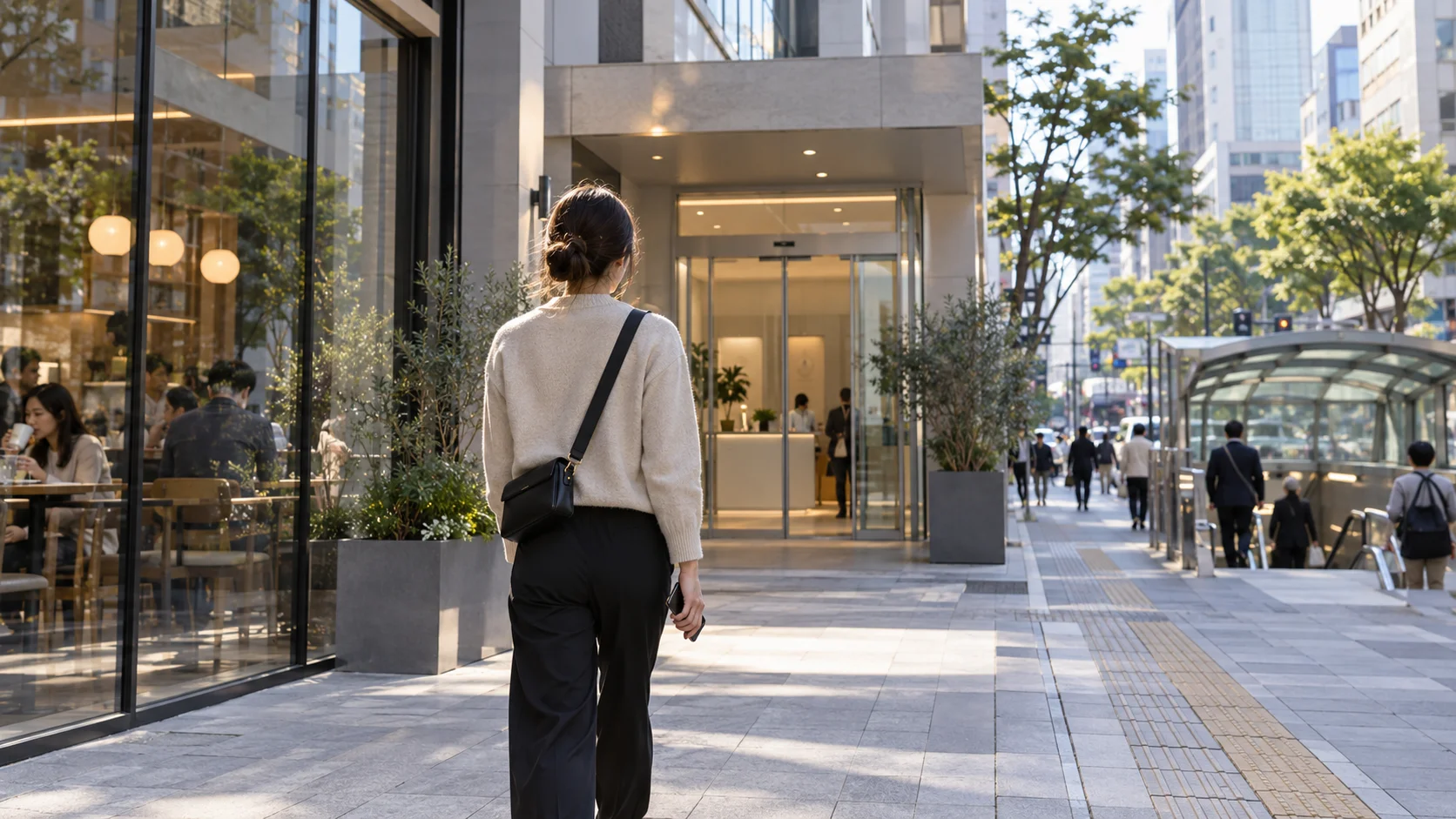
Clinics are typically within a 5–10 minute walk from stations
A full visit (consultation + treatment) often takes under 90 minutes
Use Naver Map instead of Google Maps — it’s more accurate in Seoul.
The “Hidden Experience” Most Travelers Don’t Plan For
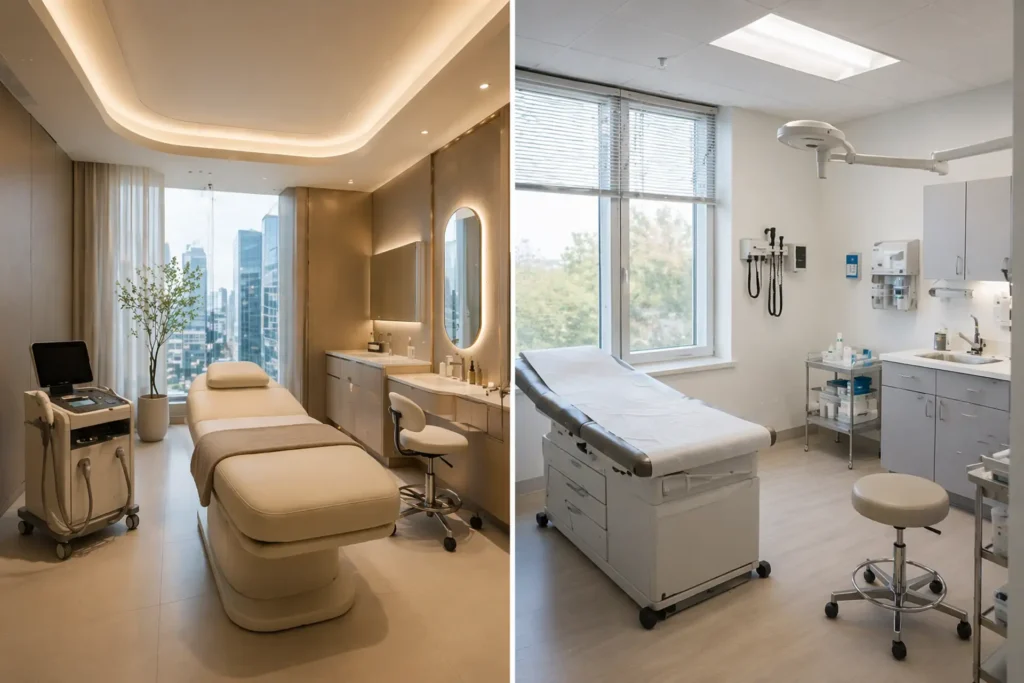
Short answer: Many visitors now treat dermatology like a “half-day activity” in Seoul.
Instead of:
Booking weeks in advance
Paying high prices
Rushing through appointments
They’re doing this:
Booking within days
Paying significantly less
Combining treatment with their travel schedule
According to Korea Health Industry Development Institute (2025), Korea treated over 1.17 million international patients in 2024, with dermatology and skin treatments among the most popular categories.
What Treatments Are Actually Popular?
Most international visitors aren’t coming for surgery.
They’re choosing:
Laser toning (pigmentation, brightness)
Skin boosters (hydration & glow)
Acne treatment programs
Pore and texture treatments
These are:
Non-invasive
Quick (30–90 minutes)
Repeatable

Korean Skin Treatment Guide: What Foreign Visitors Should Know Before Booking in Korea
If you have ever looked at before-and-after photos from Seoul and wondered whether glass skin Korea is just marketing, here is the honest answer: the glow is usually not coming from a 10-step bathroom shelf alone. In Korea, skincare is often a mix of daily habits, clinic-based maintenance, and fast access to dermatology-led treatments that many visitors find easier to book, faster to receive, and more affordable than back home. Korea’s medical-wellness ecosystem has also scaled quickly: in 2024,
blog.kracecare.com
Real Cost Comparison: Korea vs Back Home
Short answer: Dermatology in Seoul is typically 50–70% cheaper than in the US, UK, or Canada.
Treatment | Korea (Mid-tier Seoul clinic) | Back home (US/UK/CA avg.) |
|---|---|---|
Laser toning | approx. $100–180 | approx. $350–700 |
Skin booster | approx. $200–400 | approx. $600–1,200 |
Acne treatment | approx. $80–150 | approx. $200–500 |
Consultation | approx. $30–100 | approx. $200–500 |
Sources:
Medical Korea (2025)
American Society of Plastic Surgeons (2025)
Seoul clinic pricing benchmarks (2025–2026)
Prices vary by clinic tier:
Budget: lower cost, higher volume
Mid-tier: most balanced (recommended)
Premium: similar to Western pricing
What the Experience Actually Feels Like

This is where Seoul stands out.
1. Fast but structured
Short intake form
Coordinator support (often English-speaking)
Doctor recommendation
2. Bundled treatments
Instead of one procedure:
Cleansing
Laser
Mask
Aftercare
3. System efficiency
It doesn’t feel rushed —
it feels designed.
Is It Safe? What You Should Know
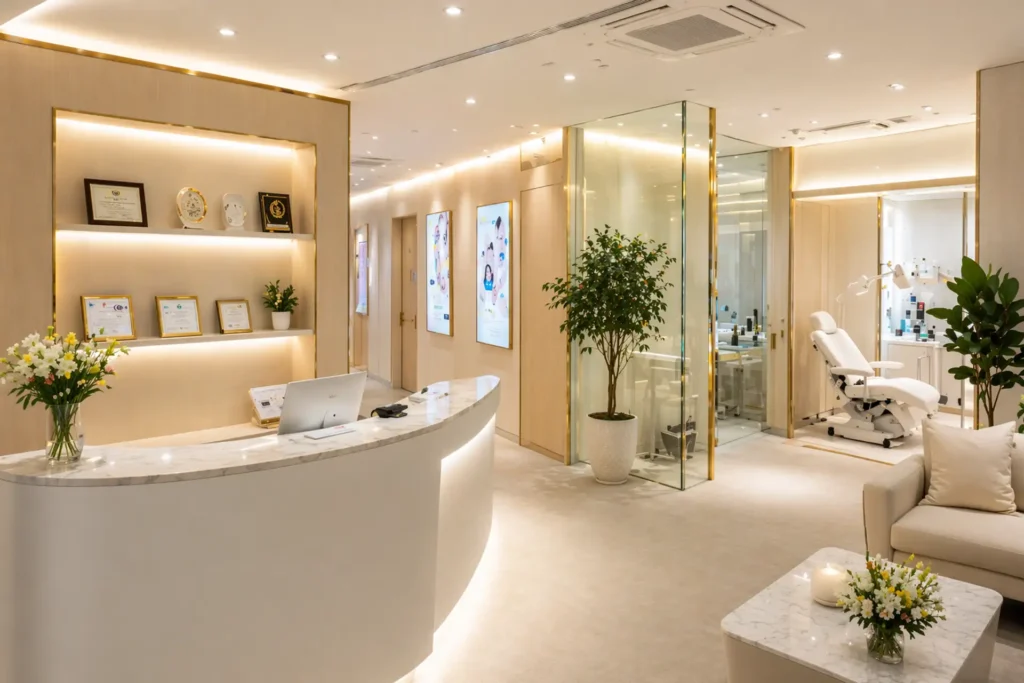
Short answer: Yes — if you choose the right clinic.
Korea offers:
Government-certified “Foreign Patient Attraction Medical Institutions”
National accreditation (KAHF)
Multiple internationally accredited hospitals
Still, quality varies.

How to Choose the Right Korean Clinic: A Practical Guide
Imagine this: back home, you wait weeks—sometimes months—for a specialist appointment, only to spend 10 minutes in the consultation room. Now imagine landing in Seoul and getting a full consultation, diagnostics, and a treatment plan within 24–48 hours. That’s not an exception. It’s the norm in Korea. But here’s the reality most guides skip: while Korea is fast and affordable, choosing the right clinic as a foreigner can feel overwhelming. Different systems, unclear pricing, and language gaps ca
blog.kracecare.com
Key checks:
English support
Transparent pricing
Verified credentials
No aggressive upselling
Language Barrier — What It’s Really Like
In most Gangnam clinics:
Basic English is available
Coordinators guide the process
Where confusion can happen:
Payment details
Aftercare instructions
That’s why many visitors use coordination services.
How to Book Without Stress
This is where most travelers hesitate.
Typical questions:
Which clinic is trustworthy?
How do I compare options?
Can I book before arriving?
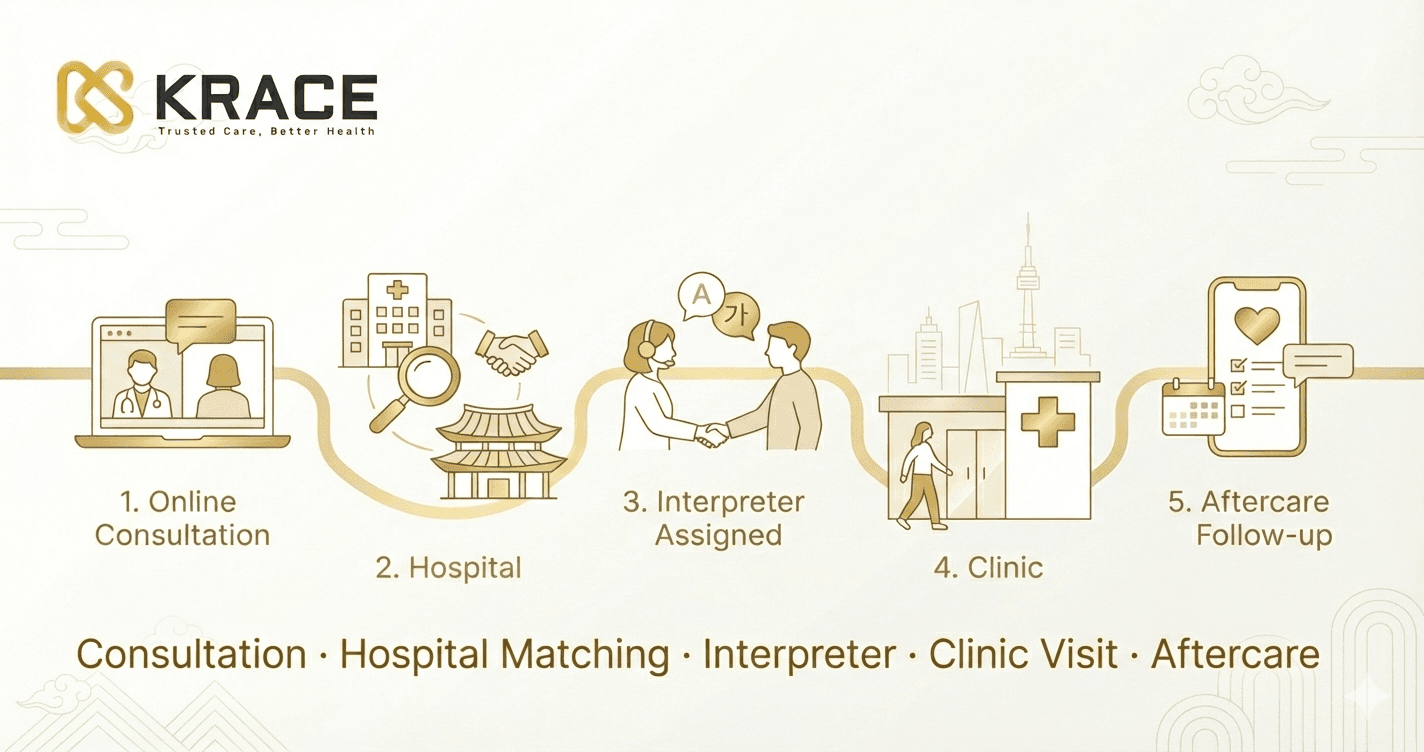
Simple process
Define your goal (e.g., acne, glow, hydration)
Get clinic recommendations
Book with a deposit
Visit clinic
Follow aftercare

How to Book a Clinic in Korea as a Foreigner
Imagine this: back home, you wait two to six weeks just to see a doctor—longer for anything specialized. Now picture landing in Seoul and getting a consultation, diagnosis, and treatment plan within a single day. That’s not a travel hack. It’s how the Korean medical system works. But here’s the catch: while care is fast and accessible, figuring out how to actually book a clinic in Korea as a foreigner isn’t always straightforward. Different systems, language gaps, and unclear pricing can make it
blog.kracecare.com
Can You Fit This Into a Trip?
Absolutely.
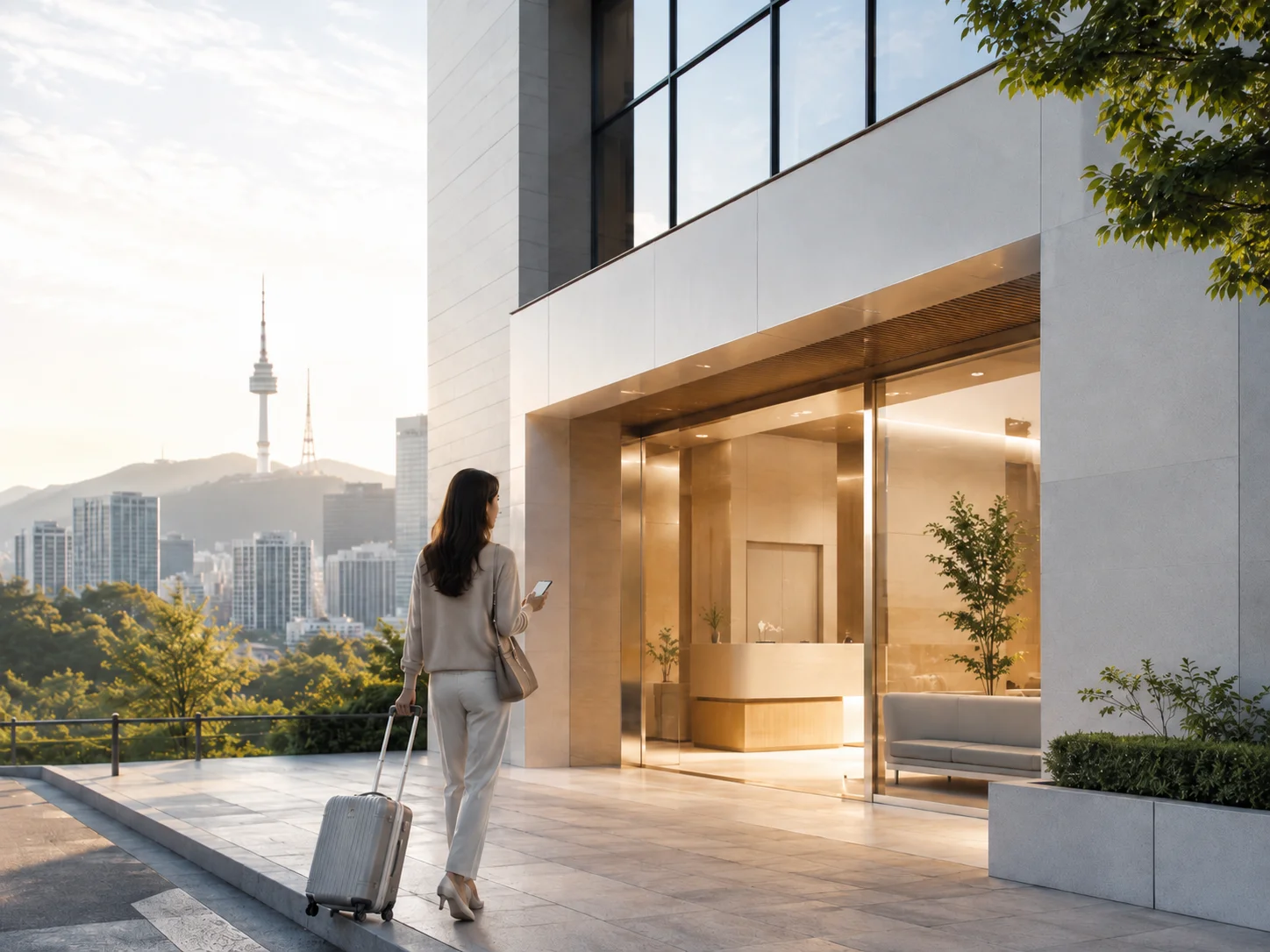
Example: 3-Day Seoul Plan
Day 1
Arrival + café + shopping
Day 2
Dermatology visit (morning)
Explore Gangnam
Day 3
Light activities + departure
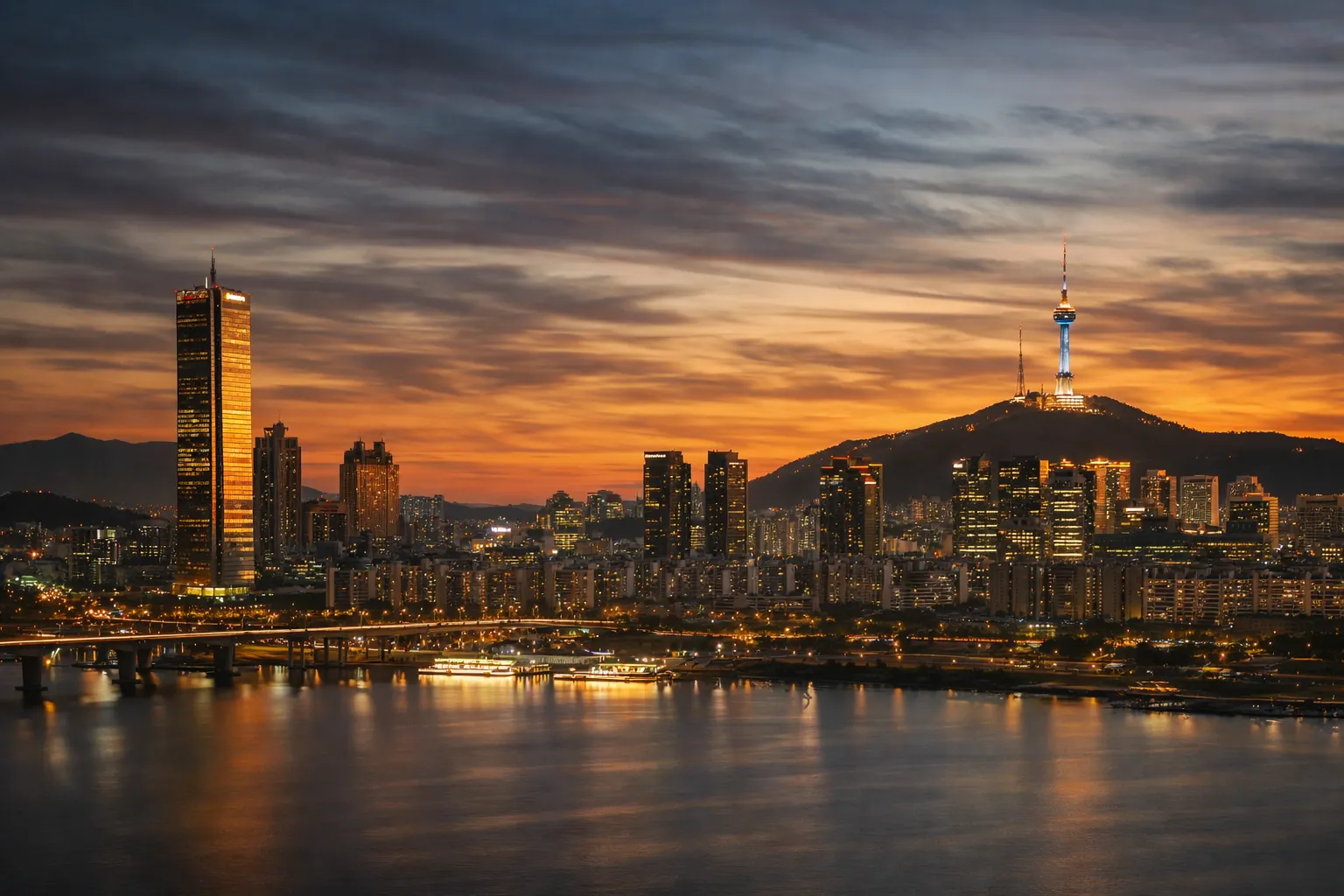
Why Seoul Should Be on Your 2026 Travel List (And Why Smart Travelers Are Adding Healthcare to the Plan)
Most people plan a trip around food, culture, and places to explore. But what if your trip could also take care of something you’ve been putting off—without slowing you down? That’s exactly why Seoul is showing up on global “best cities” lists in 2026. Not just because it’s exciting—but because it’s one of the few places where daily life, infrastructure, and even healthcare feel seamlessly connected. And once you experience how the city works, you start to see why more travelers are quietly addi
blog.kracecare.com
You Might Also Like

Korean Health Checkups: Why Travelers Are Booking Screenings in Seoul
Imagine booking a full medical checkup and getting the results the same day—not after weeks of waiting. For many travelers visiting Korea, that’s exactly what happens. Health screenings in Seoul combine fast diagnostics, transparent pricing, and English-friendly clinics. Compared with long wait times and high costs in many countries, a Korean health checkup often feels less like a medical ordeal and more like a well-organized part of your trip. Why More Travelers Are Choosing Korea for Preventiv
blog.kracecare.com

Why More Travelers Are Choosing Korea for Primary Care (And What It’s Really Like)
Imagine needing a health checkup but facing a three-month wait back home. Now picture landing in Seoul, booking a clinic visit within days, completing lab tests the same morning, and getting results before the week ends. For many international visitors, that’s not hypothetical — it’s exactly how healthcare works in Korea, especially for those seeking primary care Korea. Across North America, Europe, and Australia, rising costs and long wait times are pushing travelers to look abroad for care. Ko
blog.kracecare.com
Final Take
Seoul doesn’t replace your healthcare back home.
But it does offer something different:
Faster access
Structured systems
Transparent pricing
And for many travelers,
that’s enough to turn a routine treatment into part of the trip.
Frequently Asked Questions
Here are common questions international visitors ask about Seoul dermatology clinics, skin treatments, pricing, safety, and booking before a Korea trip.